The Best Vegetables to Grow on a Balcony
As an Amazon Associate I earn from qualifying purchases.
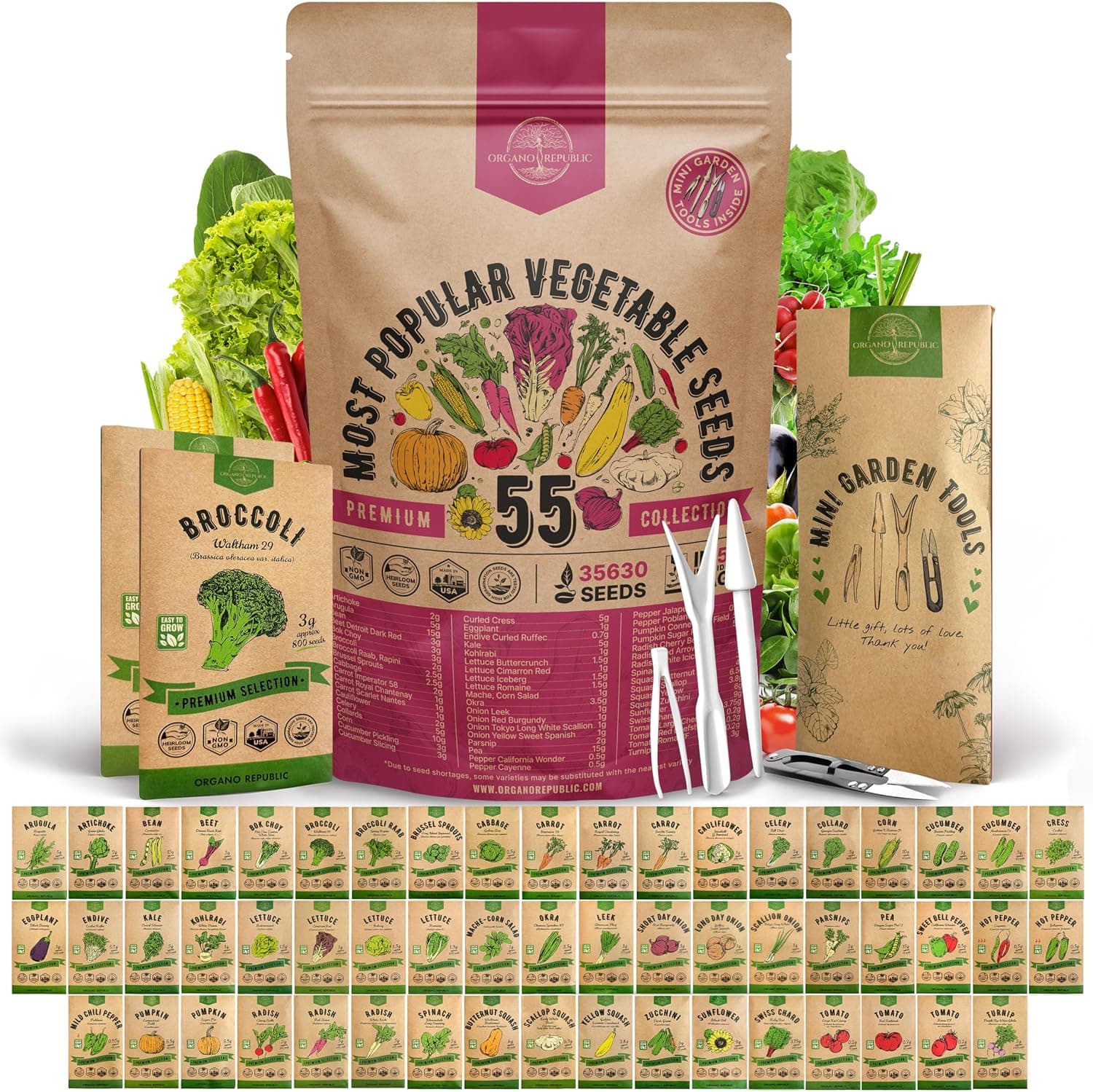
Not every vegetable belongs on a balcony. Sprawling crops like pumpkins or sweet corn demand more root space and ground than a container can offer, and they will only frustrate you. The vegetables that thrive in pots share a few traits: compact growth, a fast turnaround, or a generous harvest from a small footprint. Choose from that group and a modest rail can feed you surprisingly well.
Cherry and dwarf tomatoes are the classic balcony success story, but only if you have strong sun for six hours or more. Look for varieties labeled bush, patio, or determinate, which stay manageable, and give each plant a pot holding at least five gallons. They are hungry and thirsty, so feed regularly and never let the soil fully dry, since erratic watering causes the fruit to split or develop tough bottoms.
Leafy greens are the most reliable return for beginners and shadier balconies. Loose-leaf lettuce, spinach, arugula, and Asian greens like bok choy grow quickly, tolerate partial sun, and let you harvest the outer leaves while the center keeps producing. Sow a small pinch of seed every couple of weeks and you will have a rolling supply rather than one glut followed by nothing.
Chili peppers and sweet peppers are excellent balcony citizens where it is warm and bright. They stay compact, look attractive, and a single healthy plant can produce for months. They dislike cold, wet feet, so give them a free-draining mix and hold back on water until the top inch feels dry. Radishes are the opposite kind of crop, ready in weeks, perfect for shallow pots and for keeping impatient beginners motivated.
Climbing crops let you grow upward when floor space runs out. Pole beans and compact peas will scramble happily up a trellis or netting fixed to the railing, turning vertical air into food. Bush beans are a lower-effort alternative that needs no support. For either, a deep pot and a sunny spot are the main requirements, and beans in particular keep cropping the more you pick.
Root vegetables can work if you match the pot to the crop. Carrots need deep containers so the roots grow straight, while round or short varieties suit shallower pots. Beets and green onions are forgiving and take up almost no room. Green onions will even regrow from the roots of store-bought bunches, giving you a nearly free crop on a windowsill.
Across all of these, two rules hold. Bigger pots forgive more mistakes because they hold water and nutrients longer, and feeding matters more in containers than in the ground since the plant cannot forage beyond the pot. Pick two or three vegetables suited to your light this season, learn their rhythm, and expand next year with the confidence of a real harvest behind you.