How to Start a Balcony Garden
As an Amazon Associate I earn from qualifying purchases.
A balcony garden starts not with a shopping list but with observation. Before you buy a single pot, spend a few days noticing how the sun moves across your space. Does it get bright direct light for six hours or more, a couple of hours of gentle morning sun, or mostly shade from the building next door? This single factor decides more about your success than any product you can buy, so it is worth the patience of watching first.
Once you understand your light, get honest about weight and drainage. Balconies have load limits, and wet soil is heavy. Fabric grow bags and plastic or resin containers give you volume without the weight of terracotta or glazed ceramic. Whatever you choose, every container needs drainage holes, and you need a plan for where the water goes. Saucers or trays keep runoff off your neighbor's balcony below and protect the surface from staining.
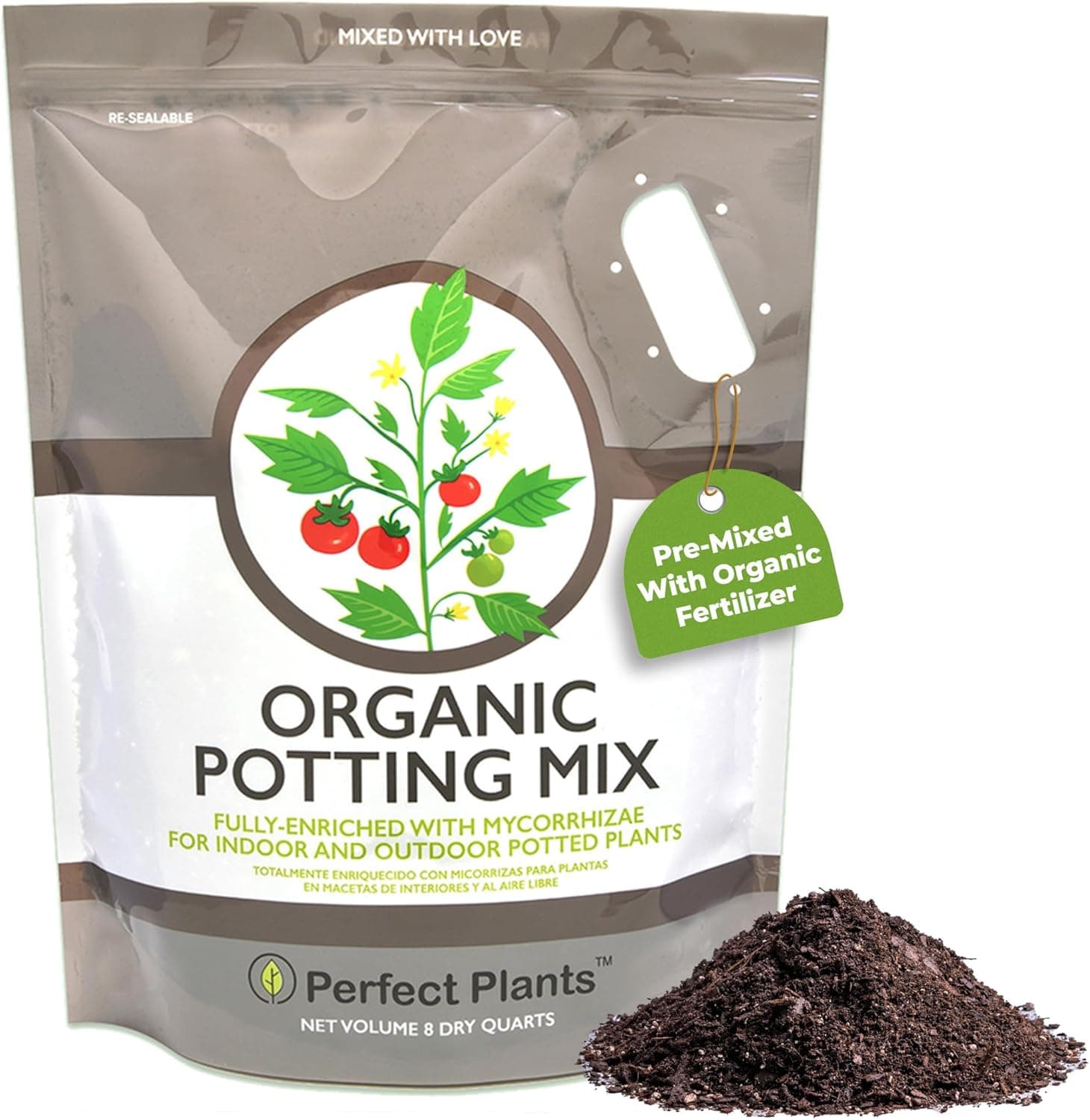
Soil is the next place beginners stumble. Garden soil is too dense for pots and can carry pests indoors. Use a bagged potting mix made for containers, which stays light and drains well. Mix in a handful of compost or a slow-release organic fertilizer at planting time, because container plants rely entirely on you for nutrients. There is no ground beneath them to draw from.
For your first season, choose plants that forgive mistakes. Leafy greens like lettuce and spinach grow fast and tolerate partial sun. Herbs such as mint, chives, and parsley are hard to kill. If you have strong sun, a single cherry tomato in a large pot will reward you all summer. Resist the urge to buy one of everything. A few plants you tend well beat a crowded rail you cannot keep up with.
Watering is where balcony gardens live or die. Exposed containers in sun can dry out in a single afternoon, especially small ones. Check the soil with your finger daily in warm weather, and water deeply until it runs from the drainage holes rather than giving frequent sips. Bigger pots hold moisture longer and are far more forgiving than tiny ones, which is why going one size up almost always helps a beginner.
Finally, think about your own comfort in the space. A garden you enjoy sitting in is a garden you will actually maintain. Leave room to stand, tuck a small stool or folding chair in a corner, and keep your watering can within reach. Grouping pots together also raises humidity and makes watering quicker.
Start small, watch how things respond, and add more once you have a rhythm. Every experienced balcony gardener began by killing a few plants and learning what their particular corner of the sky wanted. Yours will teach you too, one season at a time.