Wind-Proofing a High-Rise Balcony Garden
As an Amazon Associate I earn from qualifying purchases.
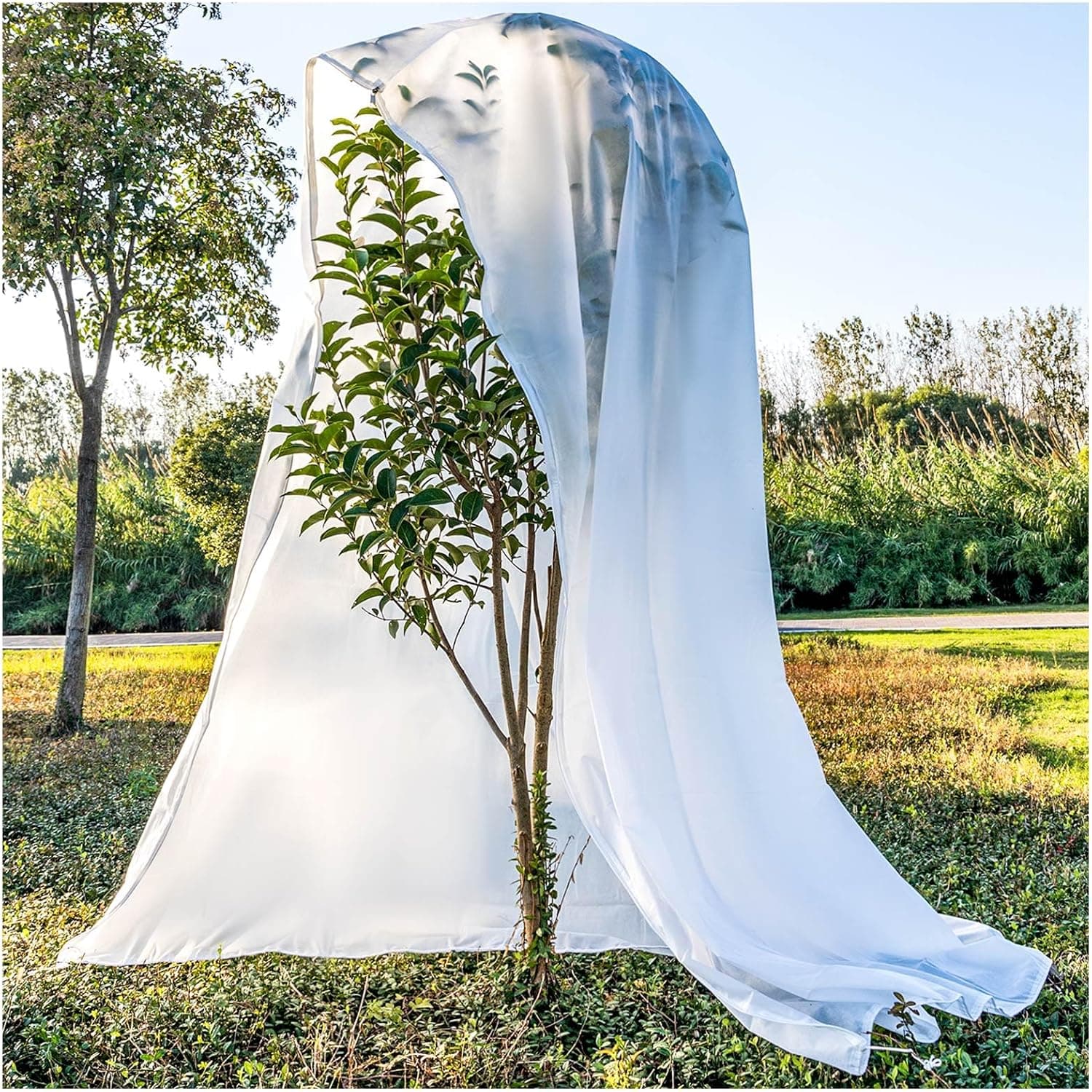
The higher your balcony, the harder the wind blows, and wind is the single greatest enemy of a high-rise garden. It topples pots, snaps stems, shreds tender leaves, and dries out soil at a punishing rate. Understanding that wind, not sun or shade, is your main challenge changes how you plan everything from plant choice to how you secure a container.
Start with safety, because a falling pot from many stories up is dangerous, not just inconvenient. Keep all heavy containers on the floor rather than balanced on the railing, and always hang railing planters on the inside where they cannot be blown outward onto the street. Use heavier pots at exposed corners, group containers together so they brace one another, and consider securing large planters to the railing or wall with straps.
Choose plants built to take a beating. Ornamental grasses bend in the wind instead of breaking, and many Mediterranean herbs like rosemary, thyme, and lavender evolved in exposed, windy places with tough, narrow leaves. Succulents and small-leaved shrubs also cope well. Avoid large, soft, broad leaves and tall top-heavy plants, which act like sails and tear or snap in the first real gust.
A windbreak transforms a hostile balcony, but it must let some air through. A solid barrier creates damaging turbulence as wind spills over the top, while a permeable screen like windbreak netting, a bamboo roll, or a slatted panel filters the gusts and calms the space behind it. Aim to slow the wind, not block it completely, and secure the screen well since it will take real force.
Soil and staking need extra attention up high. Wind dries containers far faster than you expect, so use larger pots that hold more moisture, add mulch to the surface, and check watering more often than a ground-level gardener would. Stake taller plants early and tie them with soft ties, and consider a heavier, denser potting mix or a layer of stones in the base of light pots to lower their center of gravity.
Layout is your quiet ally against the wind. Place the toughest plants at the exposed edges and corners to shelter more delicate ones tucked behind them, and use the building's own walls as a windbreak by clustering pots in the calmer pockets they create. Even on a fierce balcony there are usually sheltered zones, and finding them lets you grow a wider range than the worst corner suggests.
Work with the wind rather than pretending it away and a high-rise balcony can flourish. Anchor everything, choose resilient plants, filter the gusts, and water generously, and you will trade the frustration of snapped stems and toppled pots for a garden that shrugs off the weather most floors below never even feel.