Balcony Privacy With Plants
Published How we research
A balcony can feel wonderfully like an outdoor room until you realise how exposed it is to neighbours, passers-by, and the windows opposite. Building solid walls is rarely allowed and would block your light besides, which is why plants make such an elegant solution. A green screen softens sightlines, filters harsh views, and wraps the space in foliage, giving you a sense of seclusion without the heavy, boxed-in feeling of a hard barrier. With the right choices you can create real privacy that also cools, quiets, and beautifies the balcony.
Products from this article
The highest-scoring picks from the buying guides this article links to. Scores are our editorial assessment, not customer ratings.
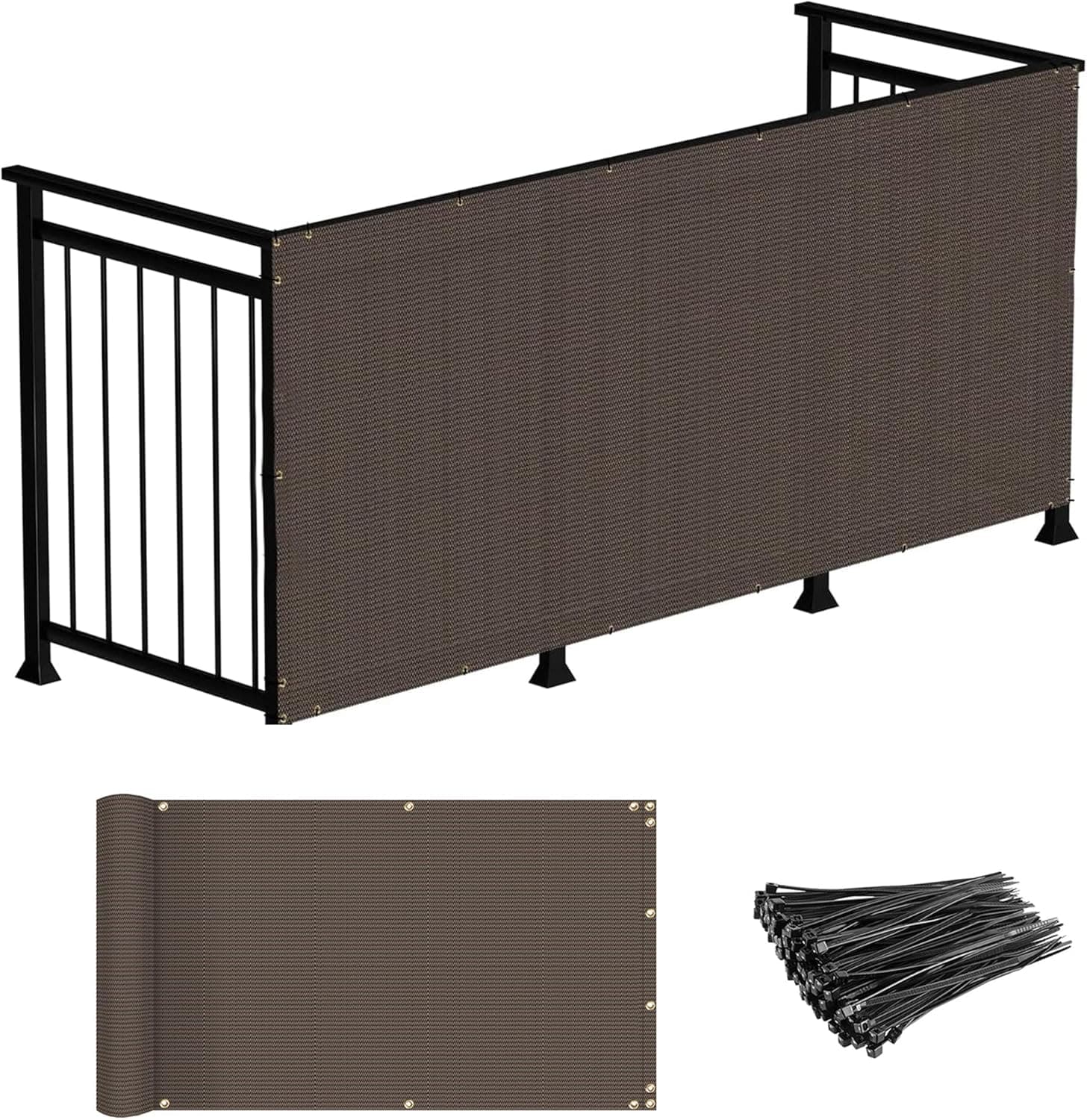
+ 3' height is sized to cover standard balcony railings
From our guide: Best Balcony Privacy Screens
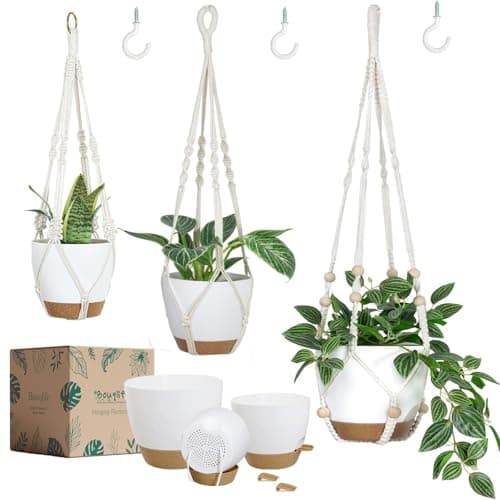
+ Three complete sets: macrame hangers of 34, 27 and 21 inches with matching 7, 6 and 5.5 inch pots.
From our guide: Best Macrame Plant Hangers for Balcony Displays
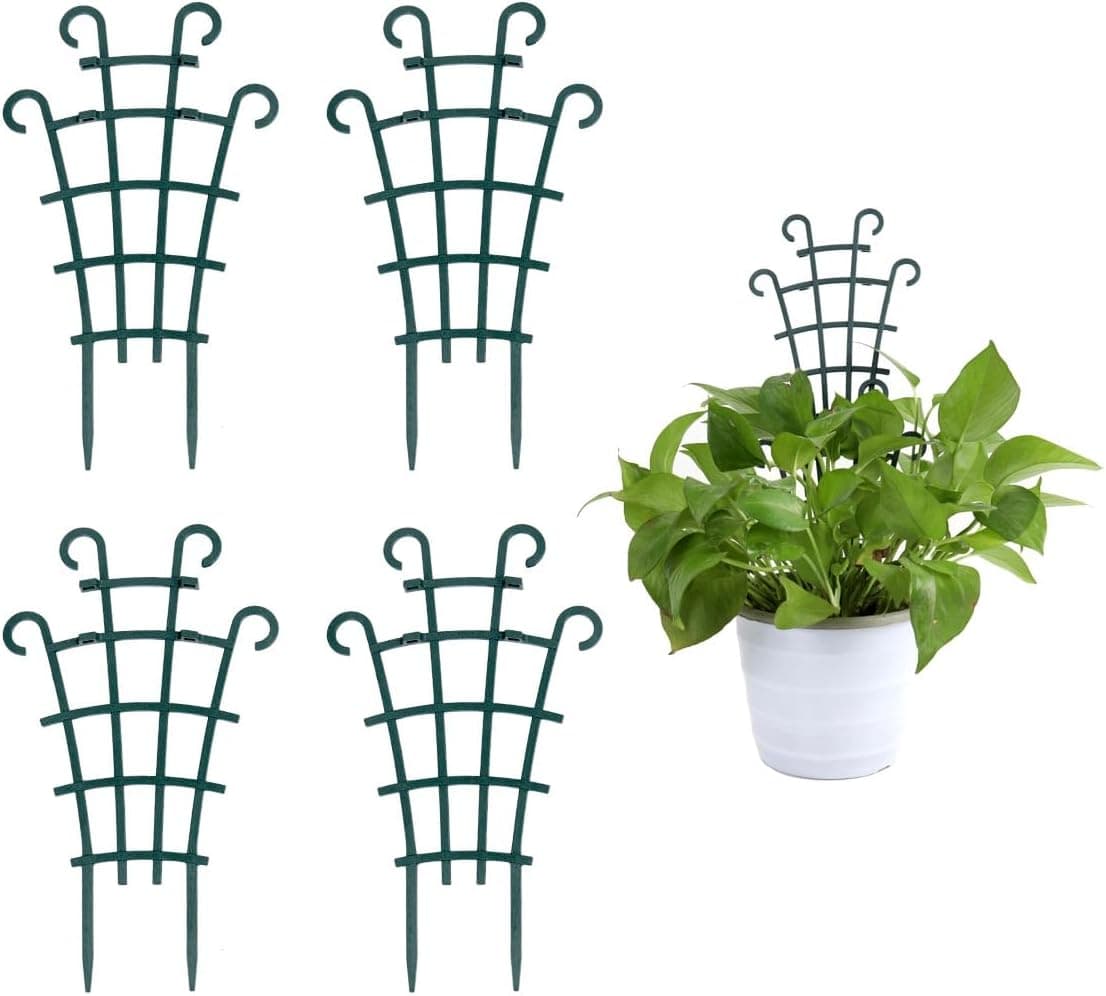
+ Stackable sections let you extend height as vines grow
From our guide: Best Plant Trellises
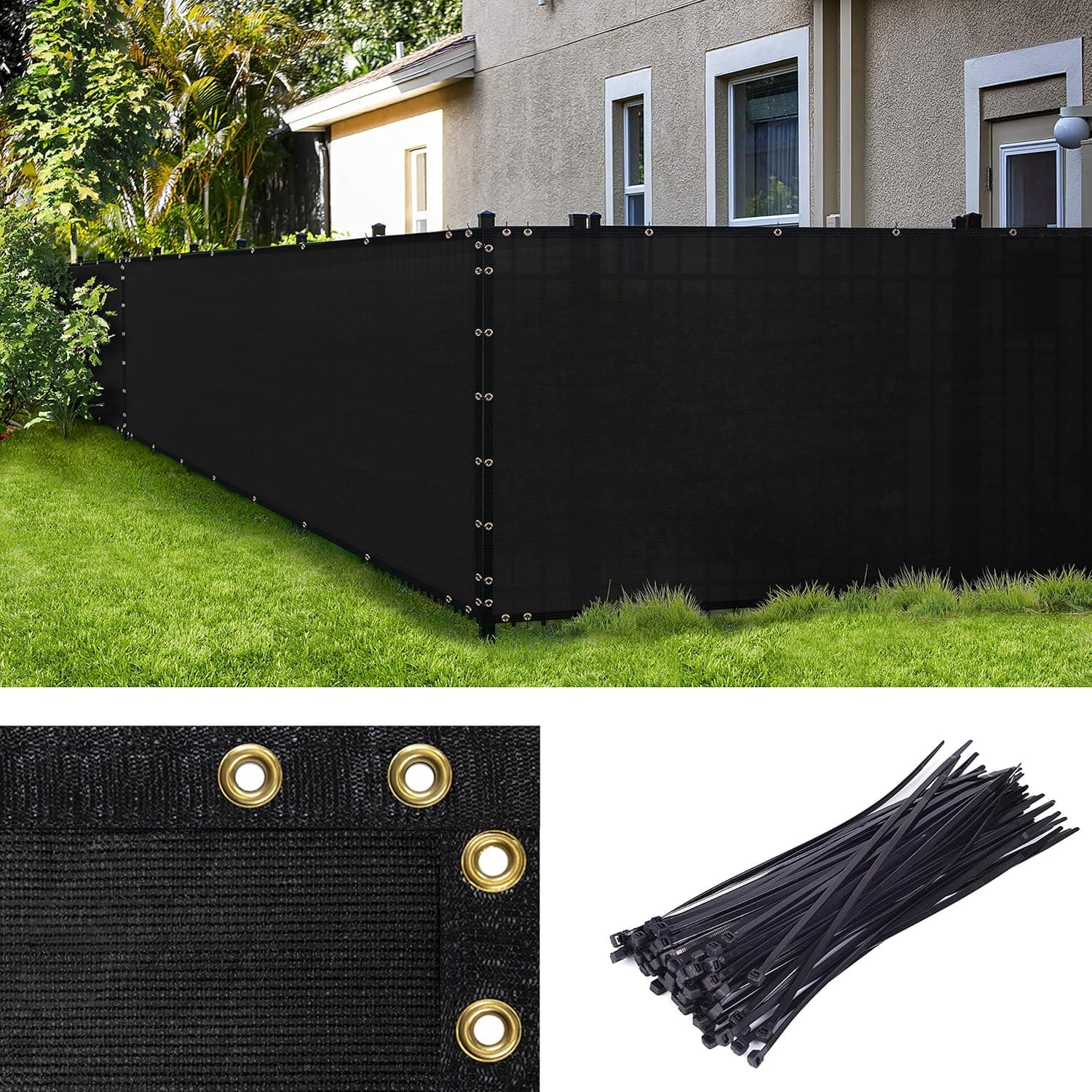
+ 90% Blockage offers strong privacy from neighbors
From our guide: Best Balcony Privacy Screens
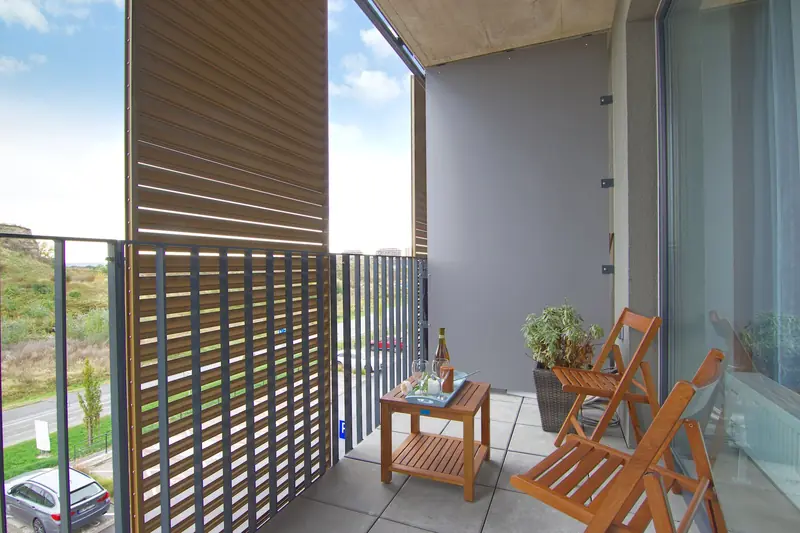
Start by working out where you actually need screening, because you rarely need to enclose the whole balcony. Sit in the spot where you spend most time and notice which directions feel exposed. Often it is a single sightline, from a neighbouring balcony or a nearby upper window, that undermines your privacy. Screening just that angle takes far fewer plants and keeps the rest of the space open to light and air. This targeted approach also stops the balcony from feeling like a dark, overgrown cave, which is a common result of screening everything at once.
Climbing plants on a trellis are the classic privacy solution because they create a tall, dense screen from a small footprint. A trellis fixed to a wall or anchored in a large planter gives climbers like jasmine, clematis, ivy, or climbing beans something to cover, and within a season many will fill it with leaves. Evergreen climbers keep the screen through winter, while flowering ones add scent and colour in season. Guide young stems onto the support and keep them watered, and the plant will do the rest, turning bare railings into a living wall.
Tall plants in containers offer instant, moveable privacy without waiting for anything to climb. Ornamental grasses, bamboo in a contained pot, small trees, and columnar shrubs all rise well above the railing and break up sightlines immediately. Bamboo is especially effective for its height and rustling screen of leaves, but always use a clumping type in a solid container so it cannot spread. Because these are freestanding, you can shift them to block whichever angle needs it and rearrange as your needs change through the year.
Layering plants at different heights creates the most convincing and natural-looking screen. Combine a tall climber or grass at the back with medium shrubs and trailing plants spilling from railing planters in front, so the eye meets greenery at every level rather than a single flat line. This layered depth reads as a lush garden rather than a defensive barrier, and it hides gaps far better than one row of plants ever could. Mixing foliage textures and a few flowers keeps the arrangement lively and stops it looking like a hedge.
A living screen does need a little forethought about weight, wind, and upkeep. Tall plants catch the wind, so use heavy, stable containers and secure trellises firmly, keeping the biggest pots close to supporting walls. Choose plants suited to your light and be honest about how much watering and trimming you can manage, since a neglected screen quickly looks scruffy. Evergreens hold privacy year-round, while deciduous plants open up in winter, which may suit or frustrate you depending on the season. Plan for these realities and your green screen will give you a private, restful balcony that feels like a genuine retreat.
Popular right now
- Watering Container Plants Correctly on a BalconyArticle
- Best Tomato PlantersBuying guide
- Best Hydroponic Growing Kits for BalconiesBuying guide
- Best Organic FertilizerBuying guide
- Best Plant Support StakesBuying guide
- Why Container Tomatoes Flower but Do Not Set FruitArticle
Based on the last 28 days of search and visitor data.