Watering Container Plants Correctly on a Balcony
Published How we research
Watering sounds like the simplest part of balcony gardening, yet it is where most container plants are quietly lost. Pots are a closed system with a limited reserve of moisture, and they dry out far faster than open ground, especially when exposed to sun and wind on an elevated balcony. Get watering right and even fussy plants will forgive a lot else; get it wrong and no amount of good soil or feeding will save them. Learning to read a plant's needs is a skill worth building deliberately in your first season.
Products from this article
The highest-scoring picks from the buying guides this article links to. Scores are our editorial assessment, not customer ratings.
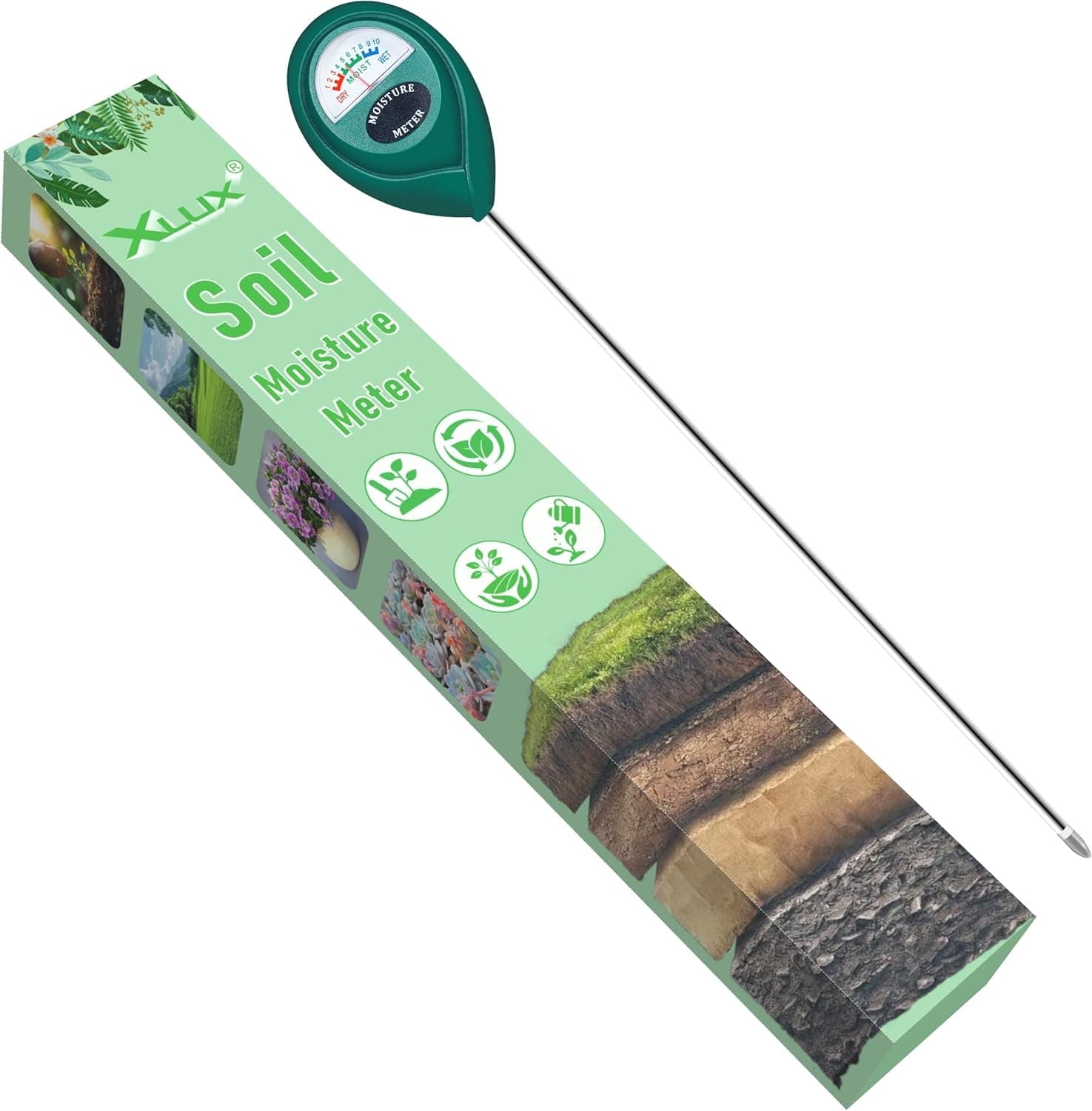
+ 304 Stainless Steel probe resists rust from damp soil
From our guide: Best Moisture Meters
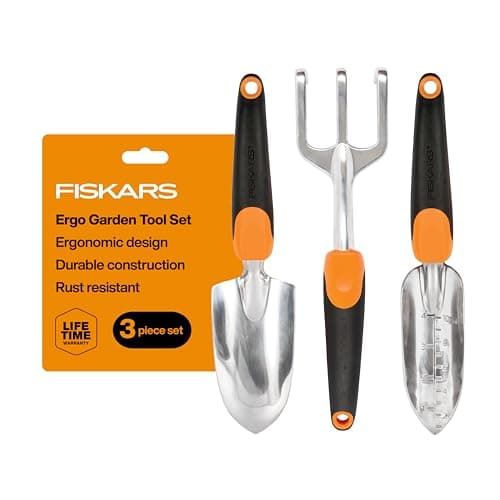
+ Trowel, transplanter and cultivator cover planting, potting up and loosening soil in containers
From our guide: Best Garden Hand Tools
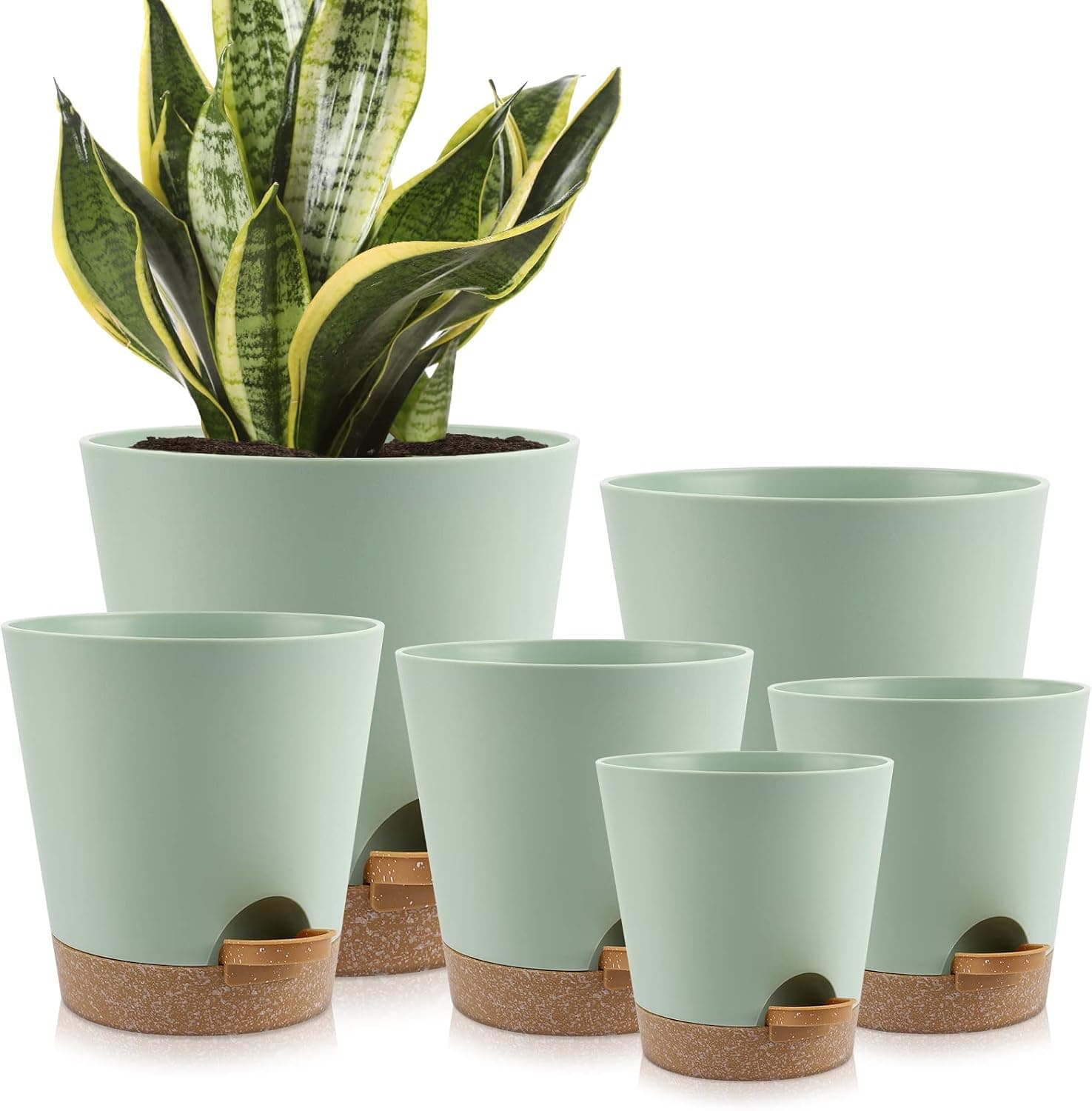
+ Graduated 8/7/6.5/6/5.5/5 Inches sizes create a tiered, grouped display
From our guide: Best Self-Watering Planters for Balconies
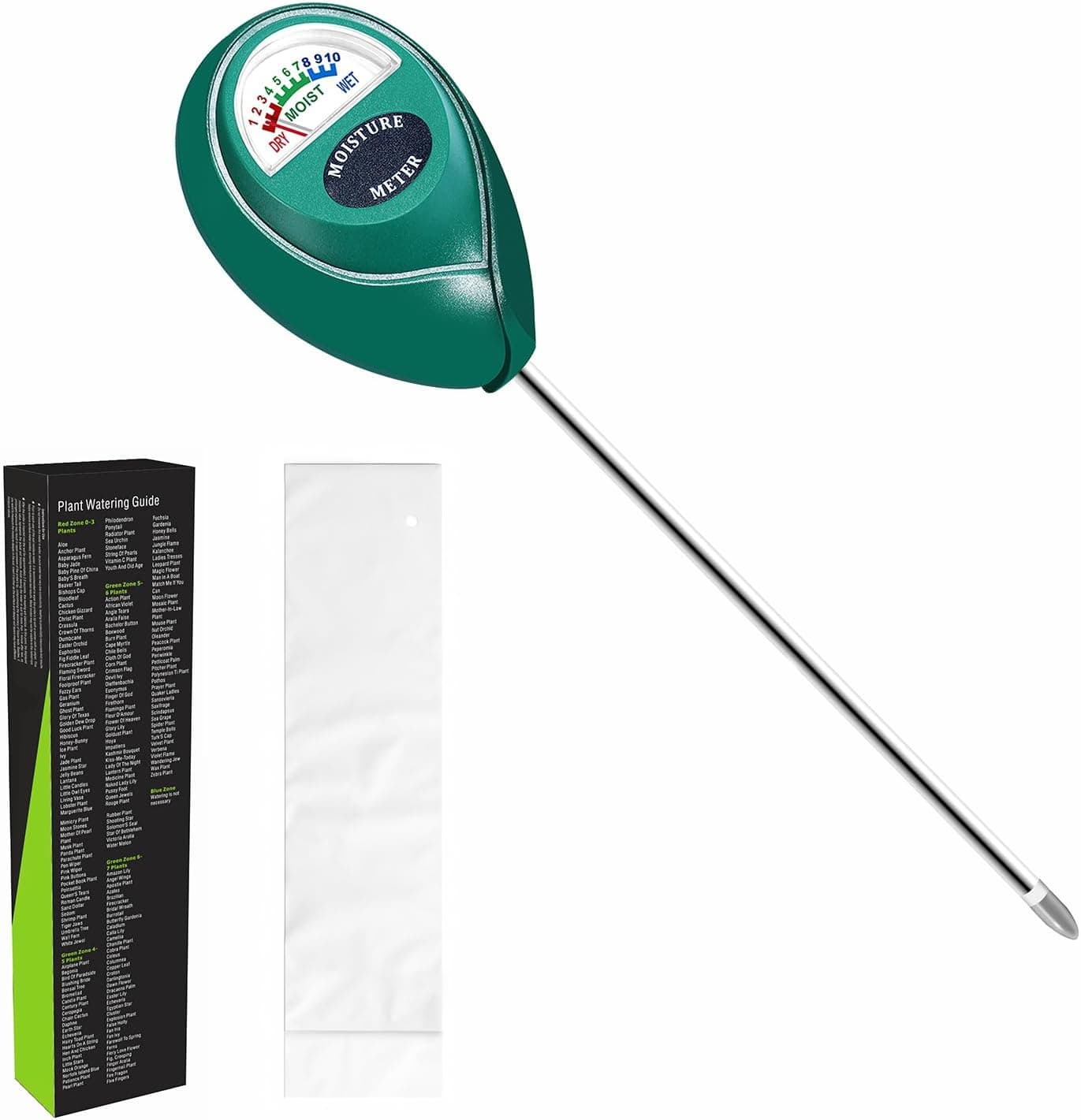
+ Long Probe reaches the root zone in deep containers
From our guide: Best Moisture Meters
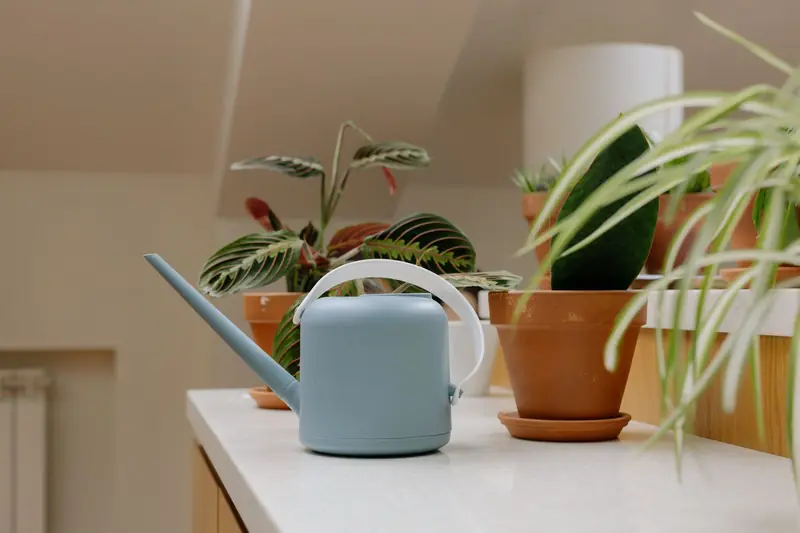
The most useful habit is to check before you water rather than watering on a fixed schedule. Push a finger an inch or two into the soil near the plant. If it feels dry at that depth, it is time to water; if it still feels moist, wait and check again later. Weight is another good clue, since a pot that has dried out feels noticeably lighter than one holding water. These simple checks matter because a plant's thirst changes daily with heat, wind, and its stage of growth, and a rigid routine will inevitably over or under water it.
When you do water, water thoroughly rather than lightly. Add water slowly until it runs freely from the drainage holes at the bottom, which tells you the whole root ball has been moistened, not just the top layer. Shallow sprinkling encourages roots to stay near the surface where they dry out fastest, making the plant more vulnerable in hot weather. A deep, complete soak encourages roots to grow down and use the full container, building a more resilient plant that can go a little longer between waterings.
Timing and technique reduce waste and stress. Water in the early morning where you can, so plants enter the heat of the day fully hydrated and the foliage dries quickly. Evening watering also works and suits busy schedules, though damp leaves overnight can encourage disease on some plants. Aim the water at the soil rather than the leaves, since wetting foliage does little for the roots and can scorch or spot in strong sun. A long-spouted can or a gentle hose attachment makes it easy to reach the base of each plant.
Overwatering is just as dangerous as neglect, and it kills more plants than many gardeners realise. Roots need air as well as water, and soil that stays permanently saturated starves them of oxygen and invites rot. This is why drainage holes are non-negotiable and why saucers should never be left full of standing water for long. Yellowing lower leaves, a sour smell, or wilting despite wet soil are all signs of too much water, not too little, and the cure is to let the pot dry out before watering again.
A few practical measures make consistent watering easier, which is often the real challenge for people who are out all day. A layer of mulch such as bark or gravel on the soil surface slows evaporation and keeps roots cooler. Grouping pots together raises humidity and shades their sides from direct sun. Self-watering containers with a built-in reservoir buy you a day or two of grace, and larger pots simply hold more moisture than small ones. Combine sensible checking with these small aids and watering stops being a daily worry and becomes a quick, reliable routine.
Popular right now
- Best Tomato PlantersBuying guide
- Best Hydroponic Growing Kits for BalconiesBuying guide
- Best Organic FertilizerBuying guide
- Best Plant Support StakesBuying guide
- Why Container Tomatoes Flower but Do Not Set FruitArticle
- Overwintering Balcony PlantsArticle
Based on the last 28 days of search and visitor data.