Overwintering Balcony Plants
Published How we research
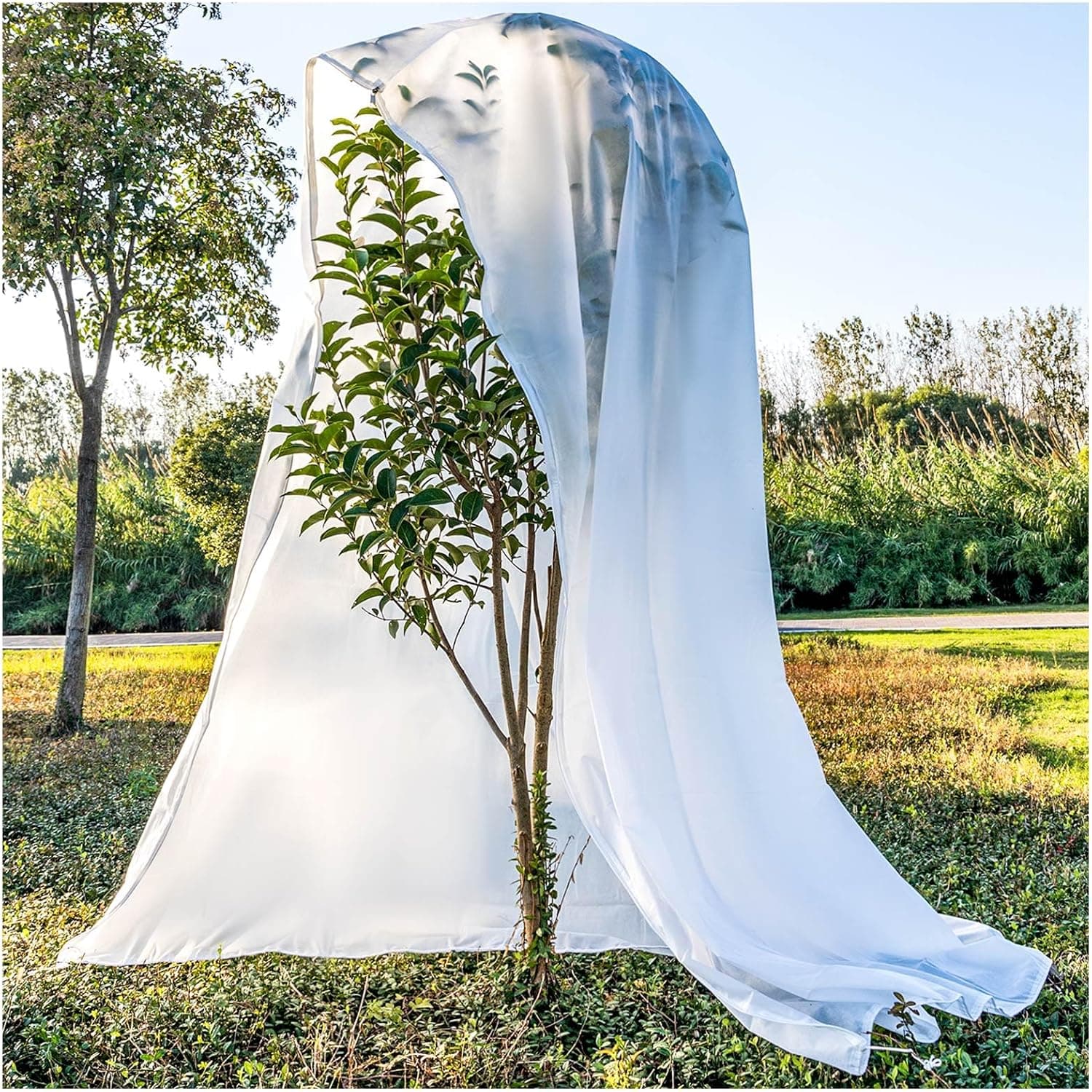
Winter is the season that tests a balcony gardener, because container plants face cold in a far harsher way than plants in the ground. Roots in a pot are exposed on all sides, raised into the wind, and lack the deep insulating mass of soil that protects garden plants. A frost that a border shrub would shrug off can freeze a container solid and kill the roots inside. Understanding this difference is the key to overwintering, and with the right preparation many plants will come through the cold and burst back into life come spring.
Products from this article
The highest-scoring picks from the buying guides this article links to. Scores are our editorial assessment, not customer ratings.
+ Agfabric is a known name in garden fabrics and covers
From our guide: Best Plant Frost Covers
+ 300G thickened fabric holds its shape better than thin felt bags when full of wet soil
From our guide: Best Fabric Grow Bags for Balcony Gardening
+ Wall mounts secure the greenhouse against tipping in wind
From our guide: Best Cold Frames for Balcony Season Extension
+ Drawstring and zipper close the cover snugly around pots
From our guide: Best Plant Frost Covers
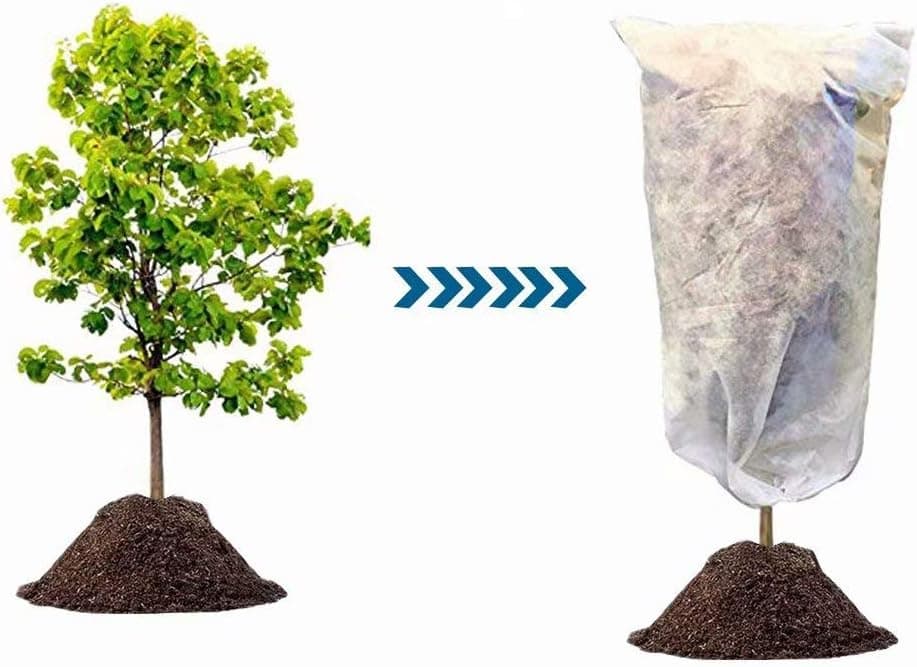
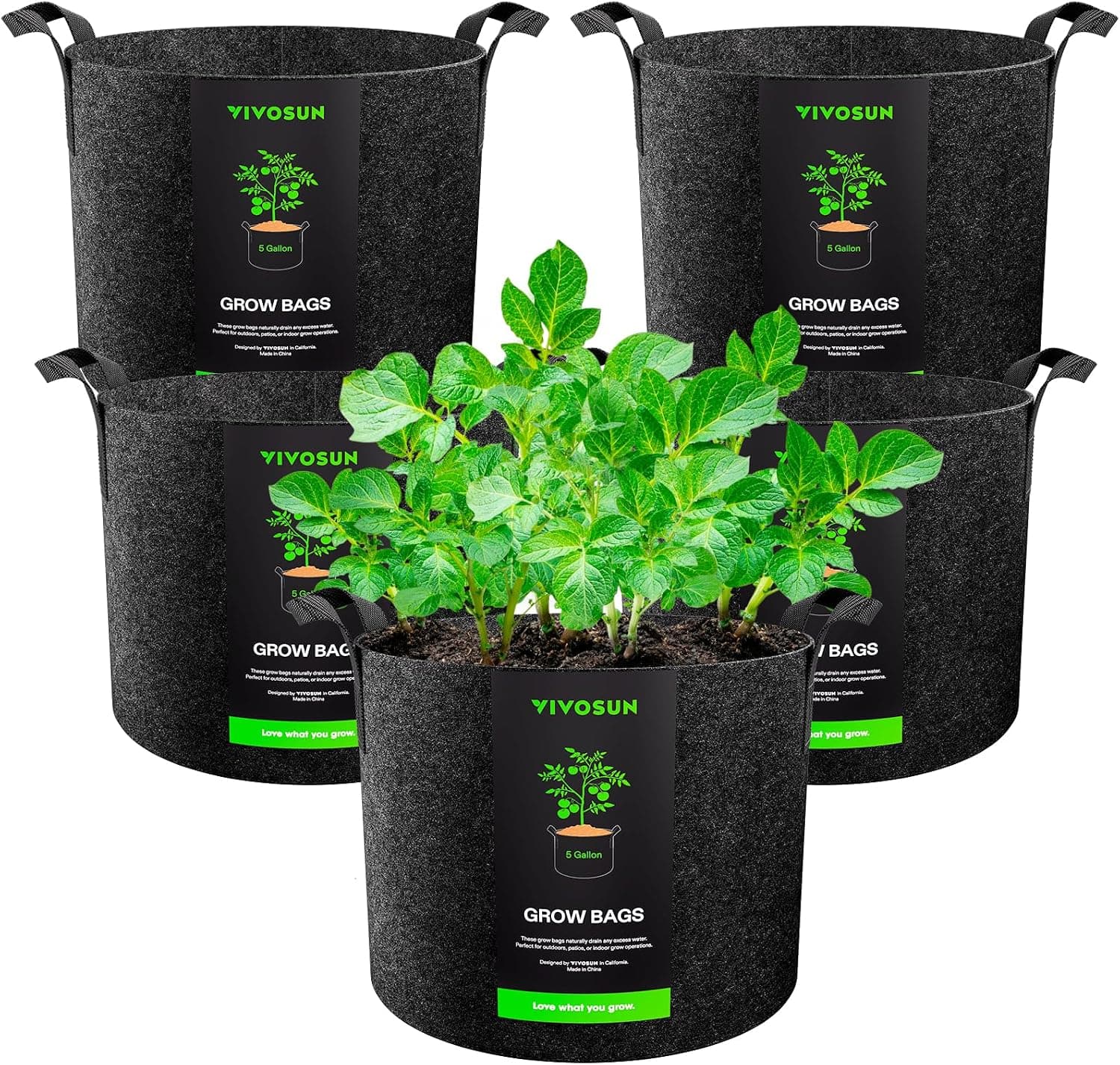
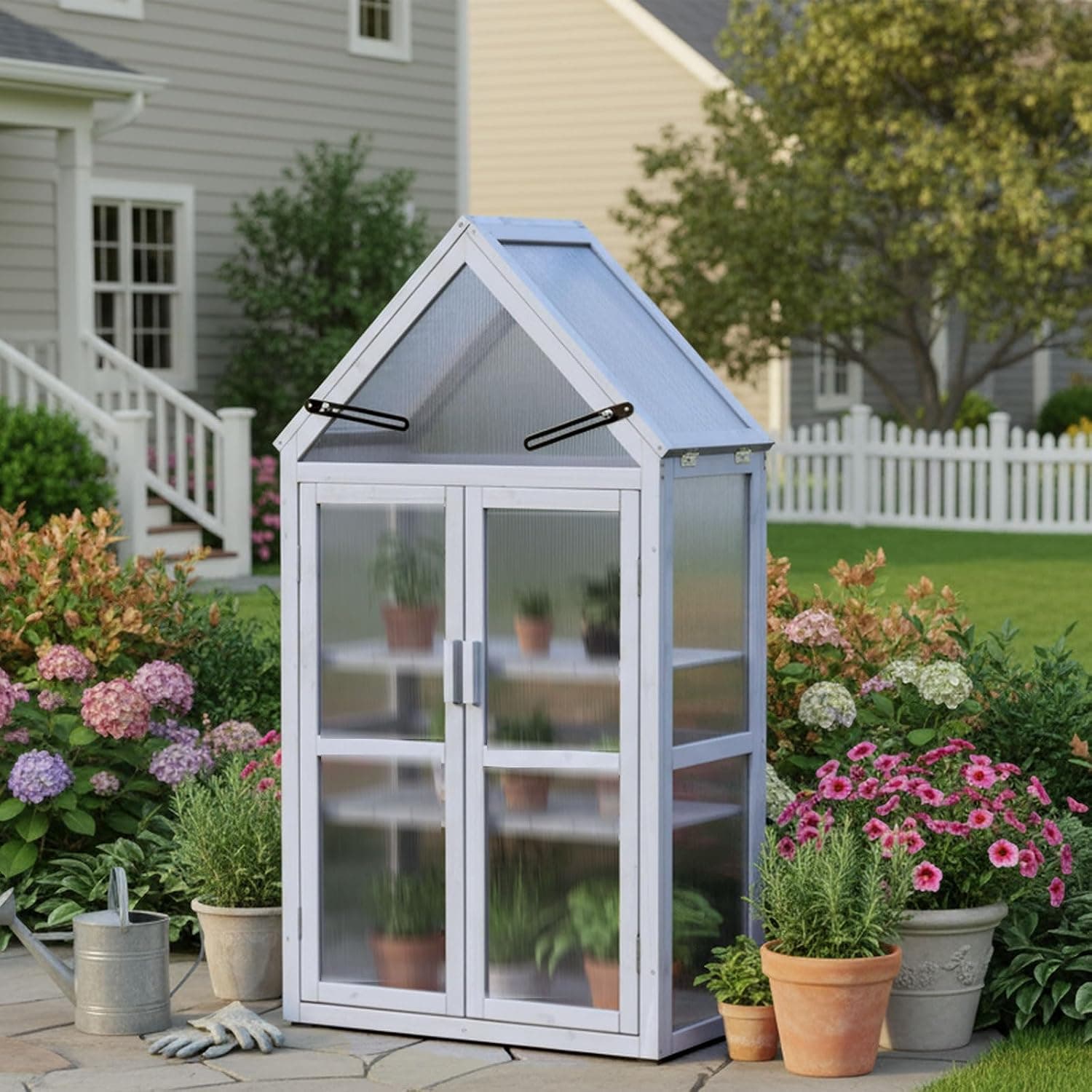
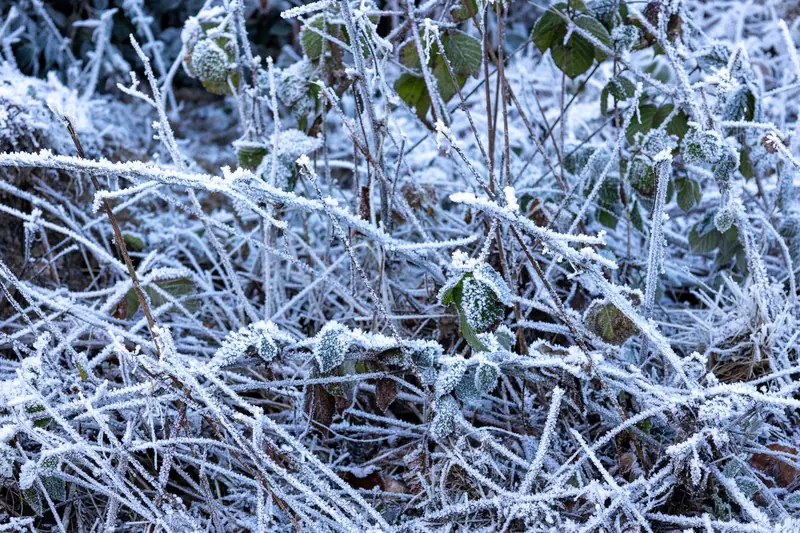
The first step is to know which of your plants actually need protection. Hardy perennials, many shrubs, and some herbs can survive winter outdoors with only modest help, while tender plants such as many tropicals and frost-sensitive herbs will die if left out in a freeze. Check the hardiness of each plant against the coldest temperatures your balcony reaches, remembering that a pot offers less protection than open ground. Sorting your plants into those that stay out, those that need extra shelter, and those that must come inside makes the rest of the job far clearer.
Protecting the roots is the heart of overwintering containers, because it is cold roots, not cold leaves, that kill most potted plants. Wrap vulnerable pots in insulating material such as bubble wrap, hessian, or fleece to shield the root ball from freezing, and raise containers off cold stone onto pot feet or blocks so they do not sit in freezing water. Grouping pots tightly together, ideally against a sheltered wall, lets them protect one another and traps a little warmth. A thick mulch over the soil surface adds another layer of insulation for the roots below.
Tender plants that cannot survive frost are best brought indoors or into a sheltered enclosed space before the first hard freeze. A cool but frost-free spot such as a bright hallway, an unheated room, or a sheltered corner works well for many plants that simply need to escape the worst cold. Reduce watering sharply while they rest, since a dormant plant in cold, dim conditions needs very little moisture and will rot if kept wet. Check them occasionally for pests, which can multiply in the still, warm air indoors, and give them light where you can.
Watering and drainage need rethinking in winter, because the biggest killer of potted plants in cold months is often not frost itself but waterlogging. Soggy soil that then freezes expands and destroys roots, so make sure every container drains freely and never leave pots standing in saucers of water. Plants are barely growing and use little moisture, so water only sparingly and only when the soil is dry, choosing a milder day so the water does not sit and freeze. Moving pots under an overhang keeps off the worst of the winter rain.
A little seasonal tidying helps plants conserve energy and come through cleanly. Clear away dead leaves and spent annuals that can harbour disease, but leave the top growth on many perennials until spring, since it offers some protection to the crown. Hold off on heavy pruning and feeding until growth resumes, as both encourage tender new shoots that the cold will damage. When milder weather returns, unwrap pots gradually, resume watering as growth restarts, and your overwintered plants will reward the care with a strong new season.
Popular right now
- Watering Container Plants Correctly on a BalconyArticle
- Best Tomato PlantersBuying guide
- Best Hydroponic Growing Kits for BalconiesBuying guide
- Best Organic FertilizerBuying guide
- Best Plant Support StakesBuying guide
- Why Container Tomatoes Flower but Do Not Set FruitArticle
Based on the last 28 days of search and visitor data.