Why Container Tomatoes Flower but Do Not Set Fruit
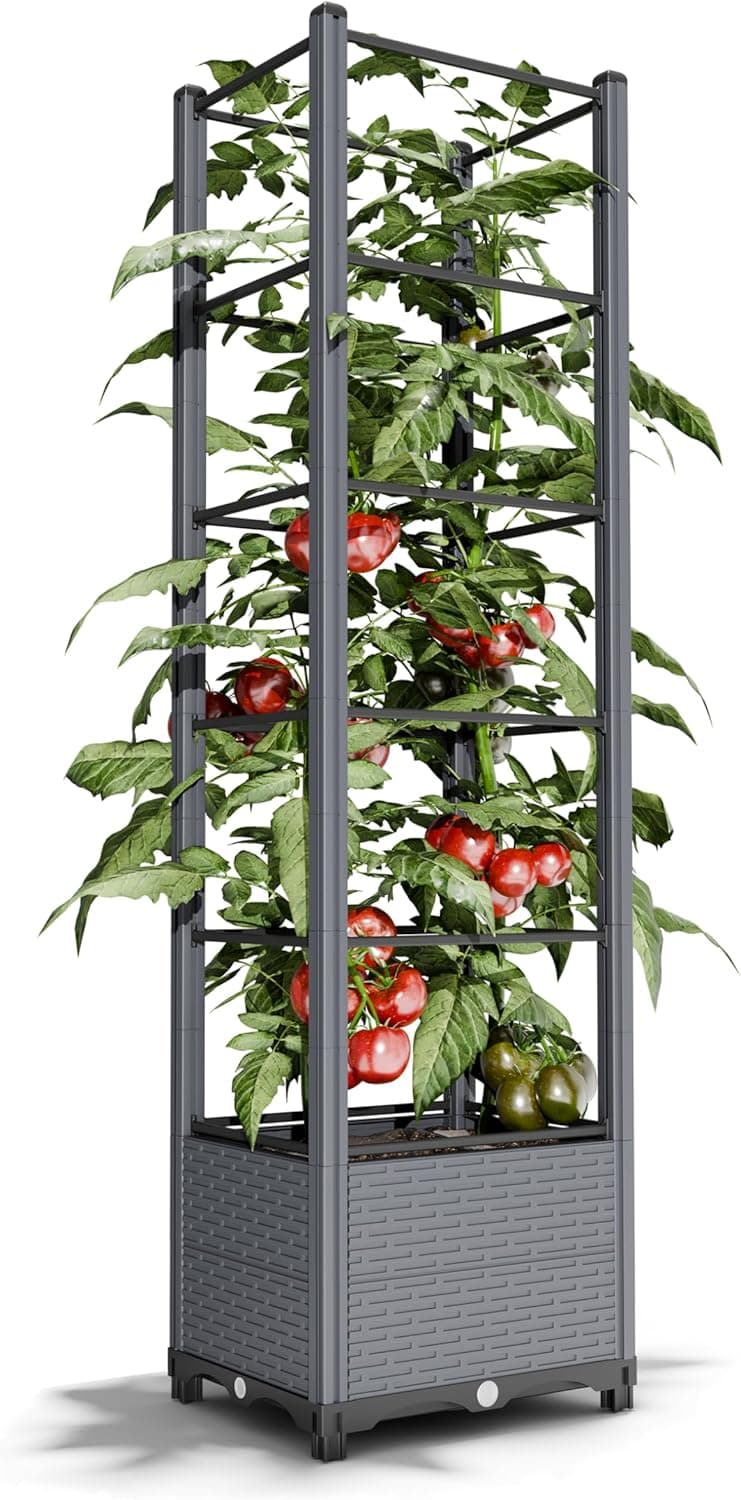
Few things are more frustrating than a healthy tomato plant covered in yellow flowers that drop off without producing fruit. On balconies the problem is especially common because pollinators are scarce, heat reflects off walls and pots dry out quickly. Most causes can be fixed, and many plants start setting fruit again once conditions change.
Heat and temperature
Tomato flowers are sensitive to temperature. Pollen becomes less viable when daytime temperatures stay above roughly 85-90°F (29-32°C) or nights stay very warm, and flowers may also drop when nights fall below about 55°F (13°C).
Balconies can be much hotter than the surrounding air because of reflected heat from concrete, glass and walls. Shade cloth during the hottest part of the day and pale-coloured pots help, and fruit set often returns when a heat wave passes.
Help with pollination
Tomatoes are self-pollinating, but pollen needs to be shaken loose by wind or buzzing bees. On sheltered or high-rise balconies there may be little of either, so flowers open and fall without being pollinated.
Gently shake flowering stems or tap the flower clusters once a day, ideally around midday when pollen is dry. An electric toothbrush held against the stem just behind the flowers for a second mimics bee vibration and works well.
Watch the fertiliser
Too much nitrogen encourages lush leaves and stems at the expense of flowers and fruit. Plants that are very large, dark green and bushy with few fruits are often being fed a high-nitrogen or general lawn-type fertiliser.
Once flowering starts, switch to a fertiliser formulated for tomatoes or fruiting vegetables, which is typically higher in potassium. Follow the label rate, since overfeeding can also damage roots and cause other problems.
Water consistently
Tomatoes in containers need steady moisture. Cycles of drying out and then heavy watering stress plants, causing flower drop and later problems such as blossom end rot and split fruit.
Water deeply whenever the top inch of mix is dry, which may be daily in summer. Self-watering planters, drip irrigation kits and mulch on top of the soil all help keep moisture more even on hot balconies.
Pot size and variety
Tomato plants in small pots run out of root space and water quickly, which limits fruiting. Indeterminate varieties usually need at least a 10-gallon container, while compact patio and cherry varieties can produce well in smaller pots.
If this season's plants struggle, choose varieties bred for containers and heat tolerance next year. Cherry tomatoes generally set fruit more reliably than large beefsteak types in challenging balcony conditions.