Balcony-Safe Pest Control Without Harsh Chemicals
Published How we research
Pests find their way even to a balcony several floors up, arriving on the wind, on new plants, or on your own clothes. In such a small, enclosed, and often shared space, reaching for strong chemical sprays is rarely wise, since drift can affect neighbours, pets, and the very pollinators your plants depend on, and residues are a concern on anything you plan to eat. Fortunately, a balcony's confined scale is also an advantage, because you can inspect every plant closely and tackle problems early with gentle methods that keep the whole space safe.
Products from this article
The highest-scoring picks from the buying guides this article links to. Scores are our editorial assessment, not customer ratings.
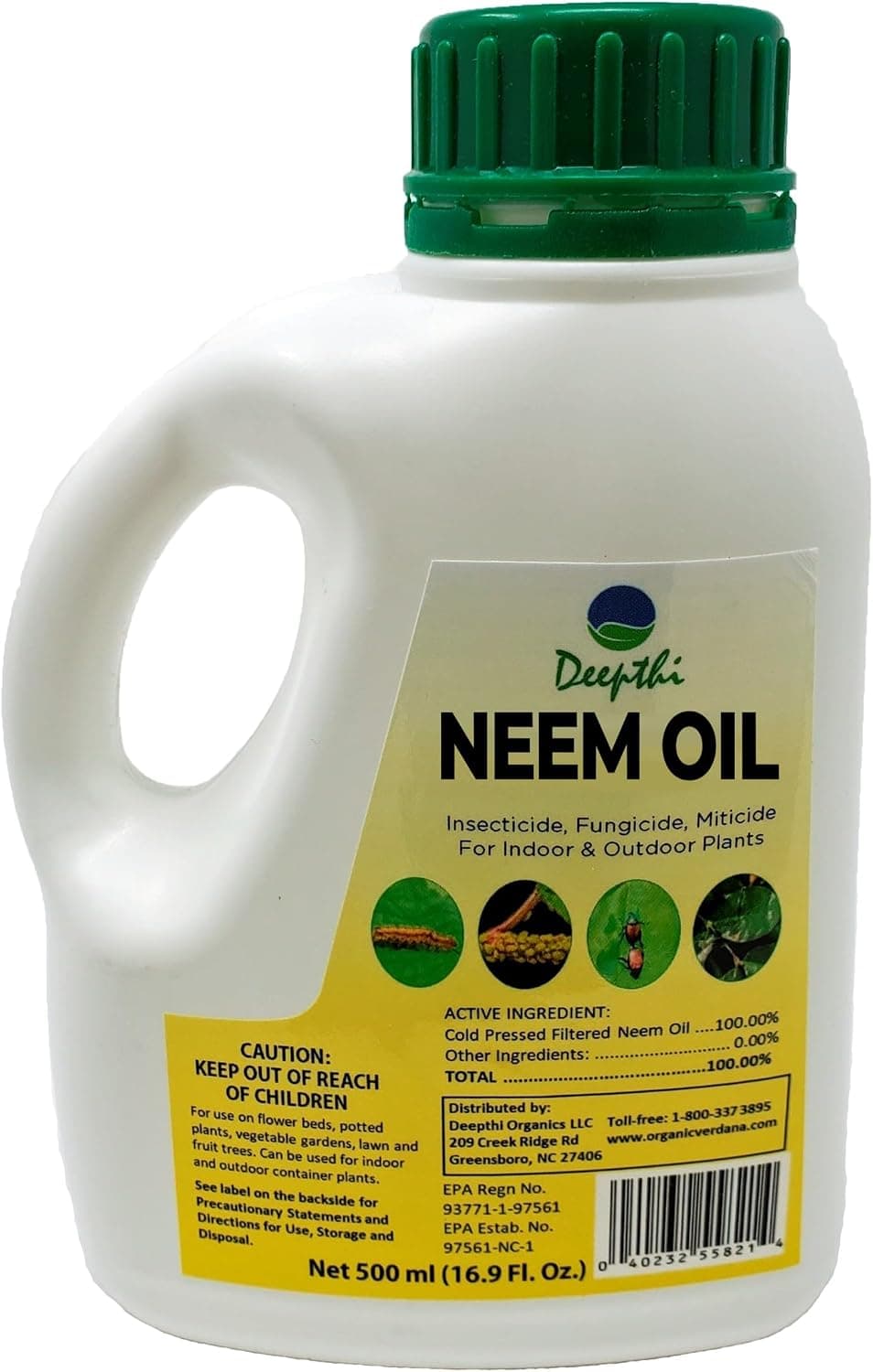
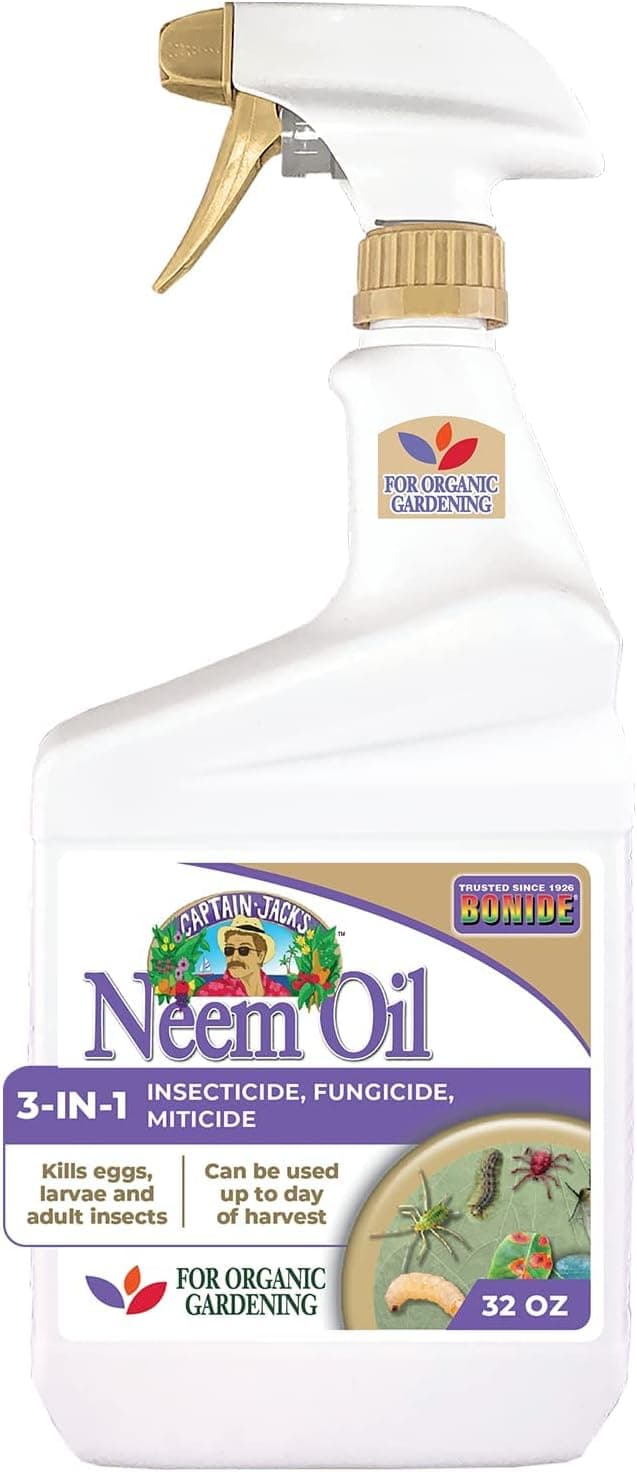
+ 32 oz ready-to-use bottle is convenient for regular treatments
From our guide: Best Organic Pest Control Sprays
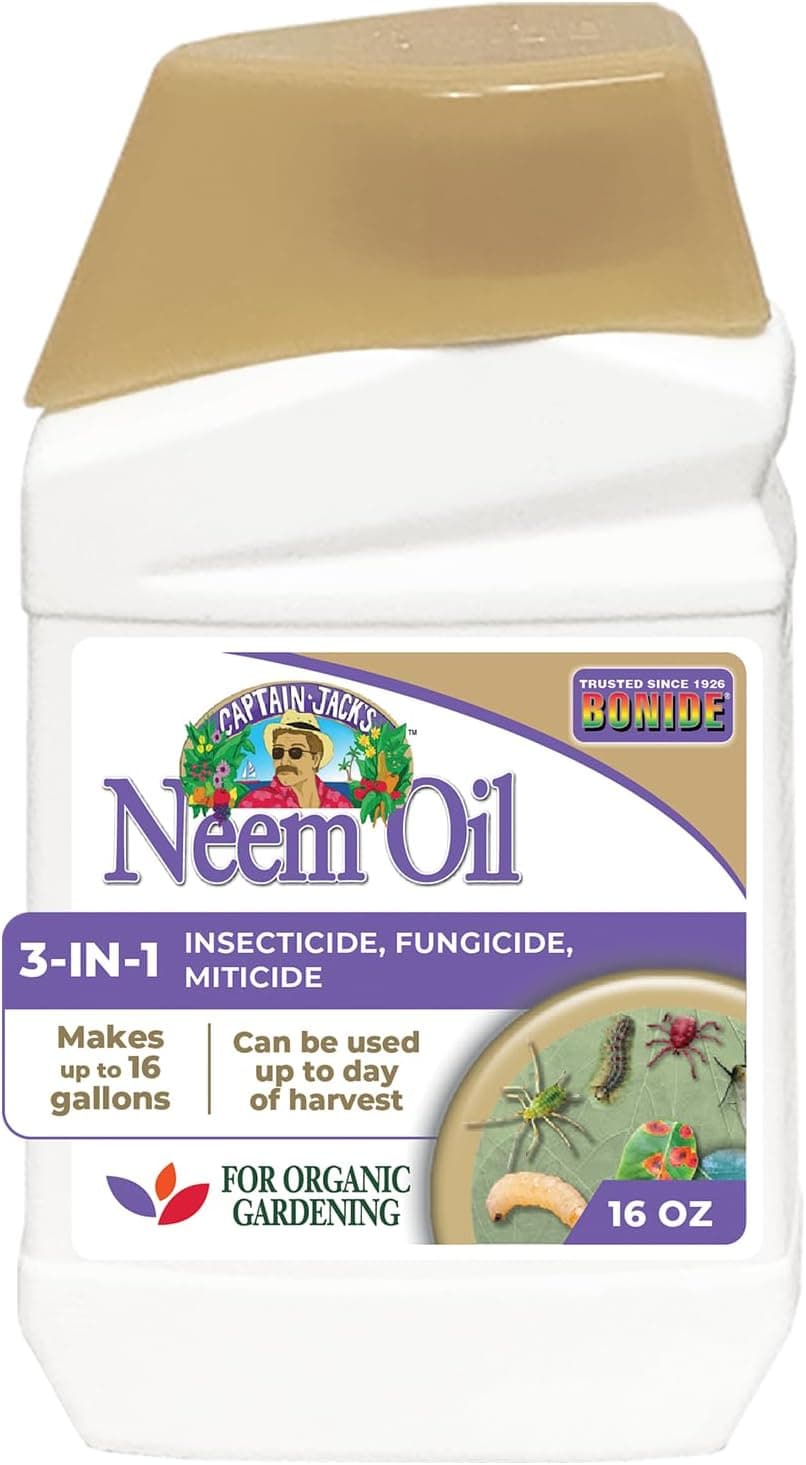
+ Captain Jack's line is a well-known name in organic garden sprays
From our guide: Best Neem Oil for Plants and Pest Control
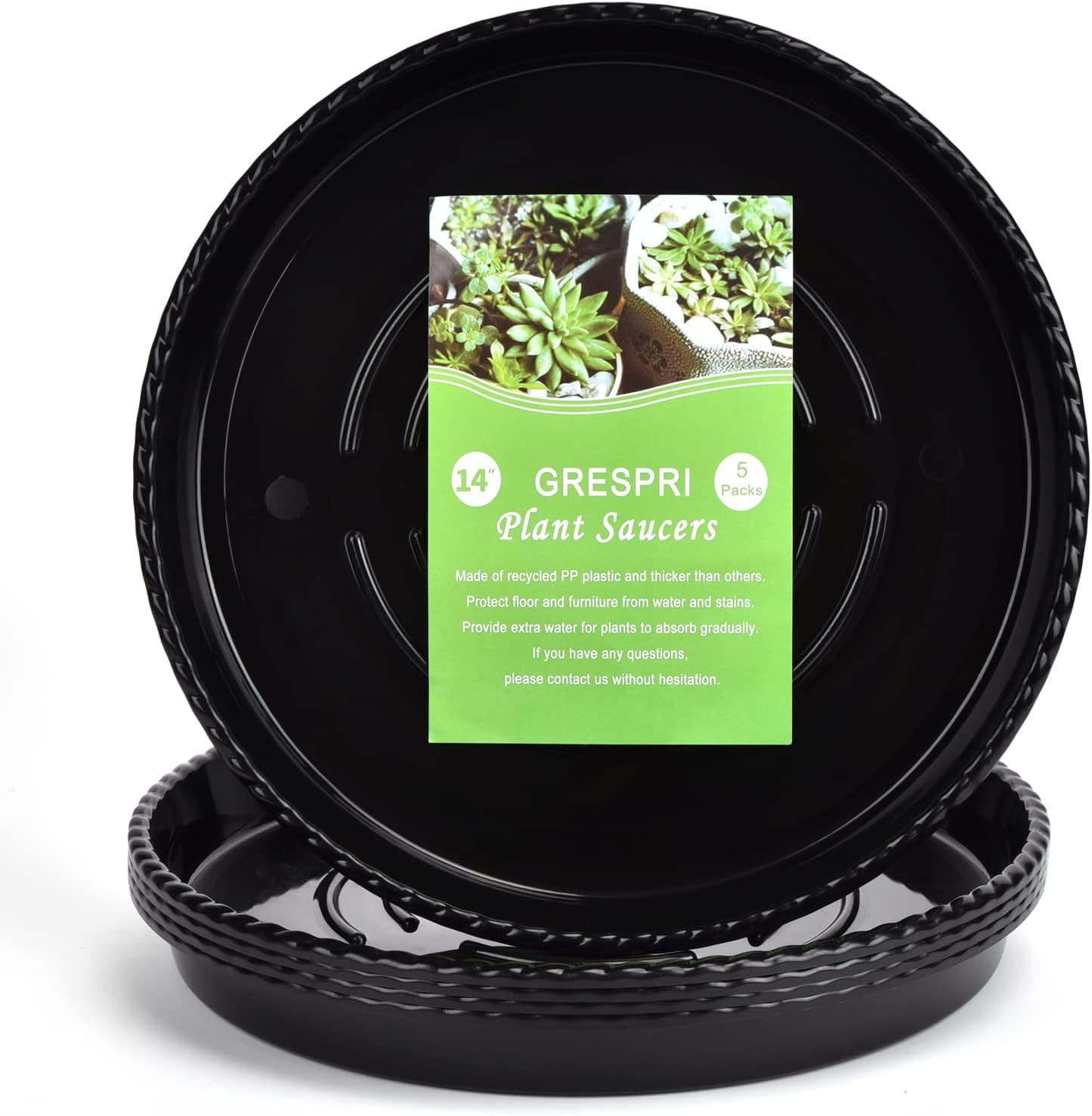
+ Ridged base lifts pots slightly, improving airflow under drainage holes
From our guide: Best Plant Saucers for Balcony and Patio Pots
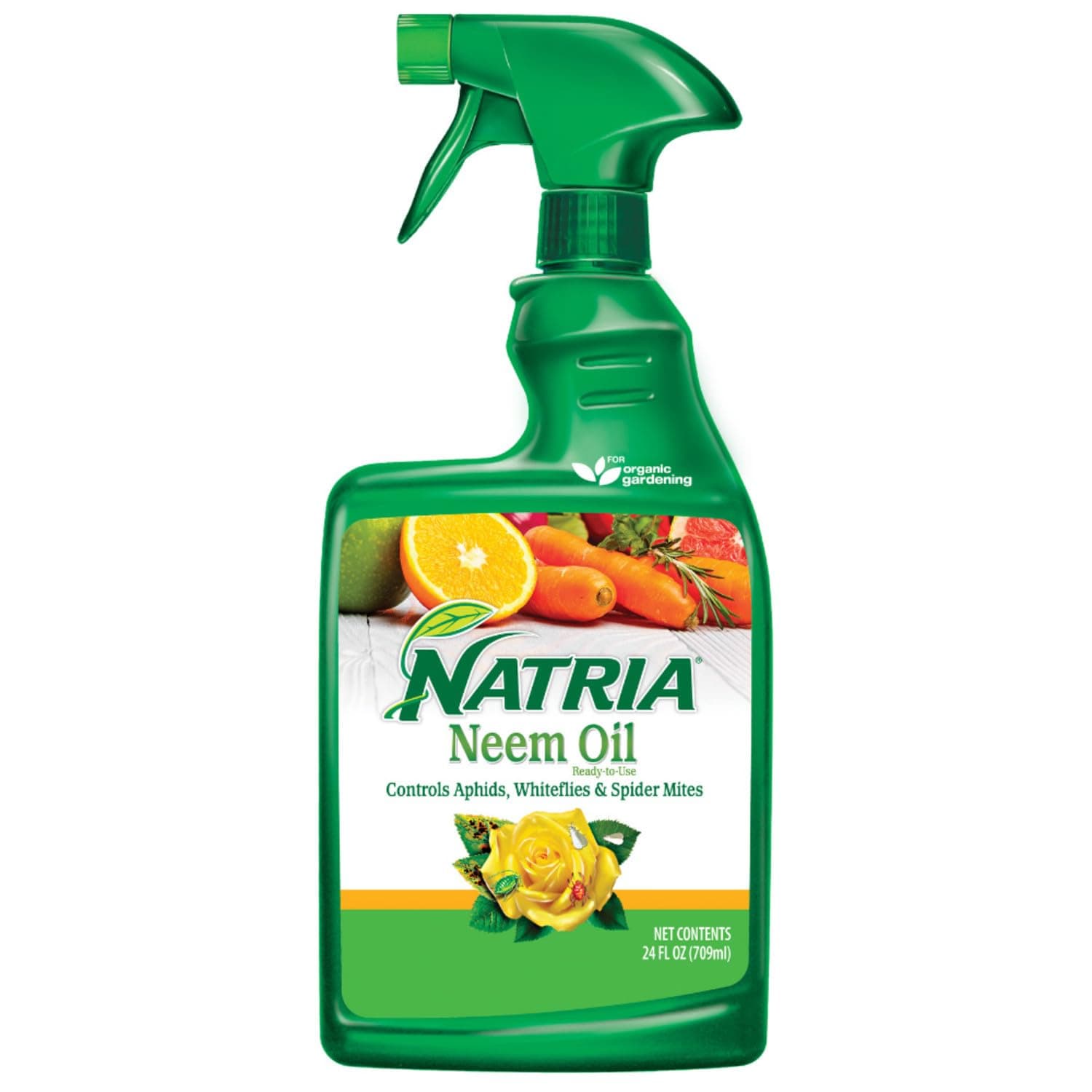
+ Ready-to-Use trigger bottle treats pests immediately
From our guide: Best Organic Pest Control Sprays
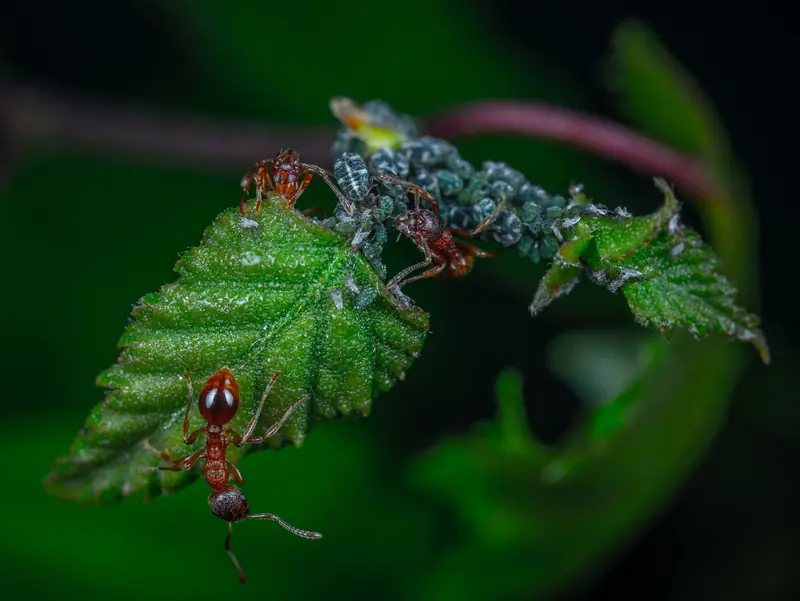
Prevention is by far the most effective form of pest control, and it starts before a pest ever appears. Healthy, unstressed plants resist attack far better than weak ones, so getting the basics right, correct light, watering, and feeding, is your first line of defence. Inspect any new plant carefully before bringing it onto the balcony, since bought plants are a common way pests arrive, and keep a newcomer separate for a few days if you can. Clearing away dead leaves and debris removes the hiding and breeding places that let small problems grow into infestations.
Regular close inspection is the habit that catches trouble while it is still easy to manage. Spend a moment every few days looking over your plants, turning leaves to check their undersides where aphids, spider mites, and whitefly like to gather. Watch for curling leaves, sticky residue, fine webbing, or clusters of tiny insects, all early warnings. Because a balcony holds relatively few plants, this kind of attentive checking takes only minutes, and spotting a handful of pests before they multiply means you can deal with them by hand rather than fighting a full-blown outbreak later.
For light infestations, physical removal is often all you need and is completely safe. Many pests can simply be wiped off with a damp cloth, picked off by hand, or blasted from the leaves with a firm jet of water from a spray bottle, which knocks aphids and mites to the ground where they struggle to return. Badly affected leaves or shoots can be pinched off and removed entirely. These direct methods introduce nothing harmful to the balcony at all, and on a small collection of plants they are frequently enough to keep pests in check on their own.
When you need something more, gentle homemade and natural remedies handle most common pests without harsh chemicals. A mild solution of water with a little pure soap, sprayed onto the affected parts, controls soft-bodied insects like aphids by disrupting them on contact, though it should be used sparingly and rinsed off edible crops. Insecticidal soaps and neem-based products made for the purpose are also relatively gentle options. Always treat in the cool of the morning or evening rather than in strong sun, cover the undersides of leaves, and test on a small area first to be sure the plant tolerates it.
Encouraging natural balance keeps pests from taking hold in the first place. Even on a balcony, ladybirds and other beneficial insects will find and feed on aphids if you avoid killing them with broad sprays, and a few flowering plants help draw them in. Barriers such as fine netting can keep larger pests off vulnerable crops, and companion planting of strongly scented herbs may deter some insects. By combining prevention, vigilance, and gentle intervention, you can keep a balcony garden healthy and productive while keeping it safe for yourself, your neighbours, and the pollinators you want to welcome.
Popular right now
- Watering Container Plants Correctly on a BalconyArticle
- Best Tomato PlantersBuying guide
- Best Hydroponic Growing Kits for BalconiesBuying guide
- Best Organic FertilizerBuying guide
- Best Plant Support StakesBuying guide
- Why Container Tomatoes Flower but Do Not Set FruitArticle
Based on the last 28 days of search and visitor data.