The Best Herbs for Apartment Gardens
Published How we research
Herbs are the perfect entry point for apartment gardeners. They stay small, thrive in pots, and pay you back every time you cook, which keeps motivation high. A single sunny windowsill or a corner of a balcony can supply enough fresh flavor to change how you eat, and most herbs forgive the occasional missed watering better than fussier crops.
Products from this article
The highest-scoring picks from the buying guides this article links to. Scores are our editorial assessment, not customer ratings.
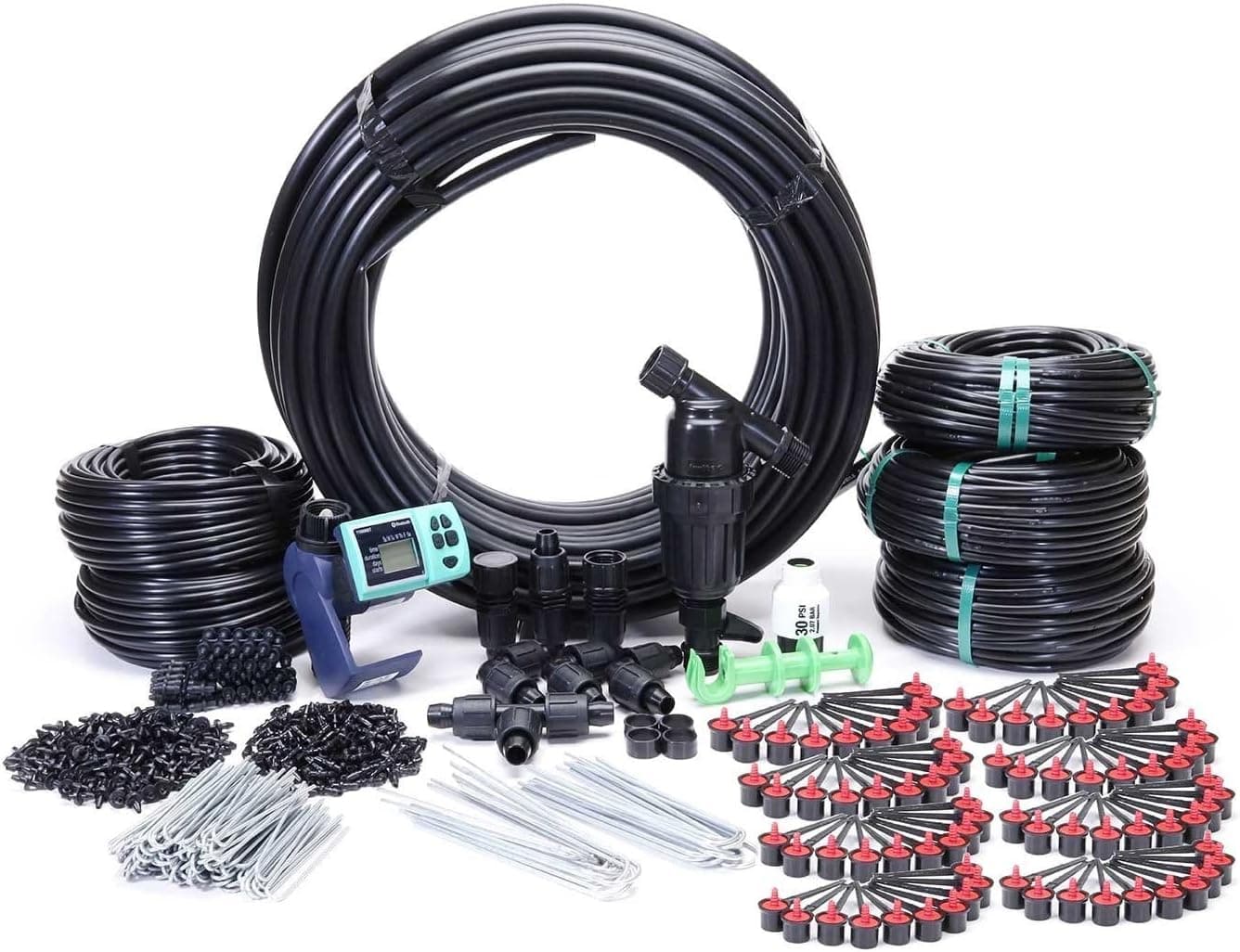
+ Timer is included, so watering runs on schedule while you are away
From our guide: Best Drip Irrigation Kits for Balcony Gardens
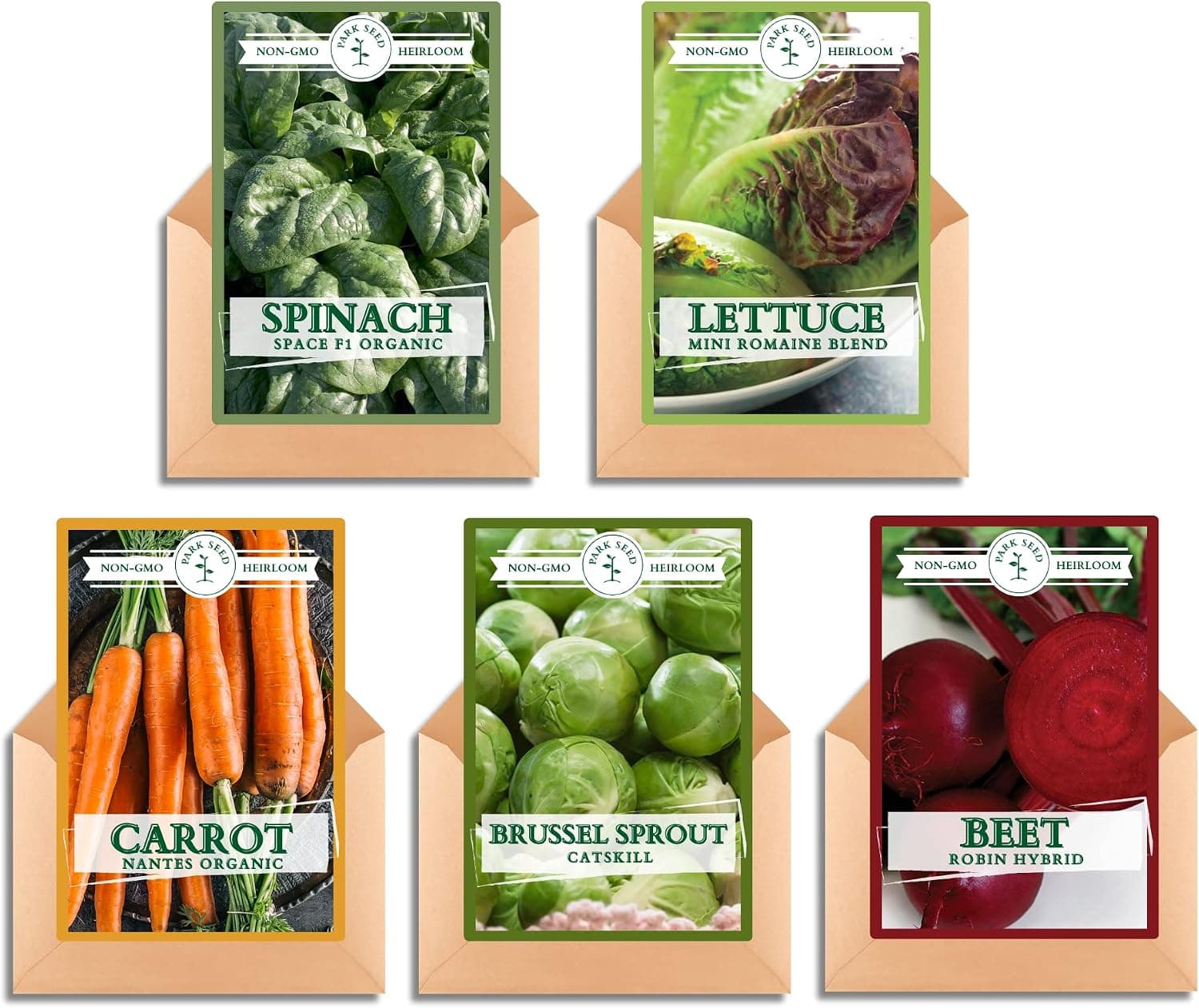
+ Compact varieties are chosen specifically for container growing
From our guide: Best Vegetable Seeds for Containers
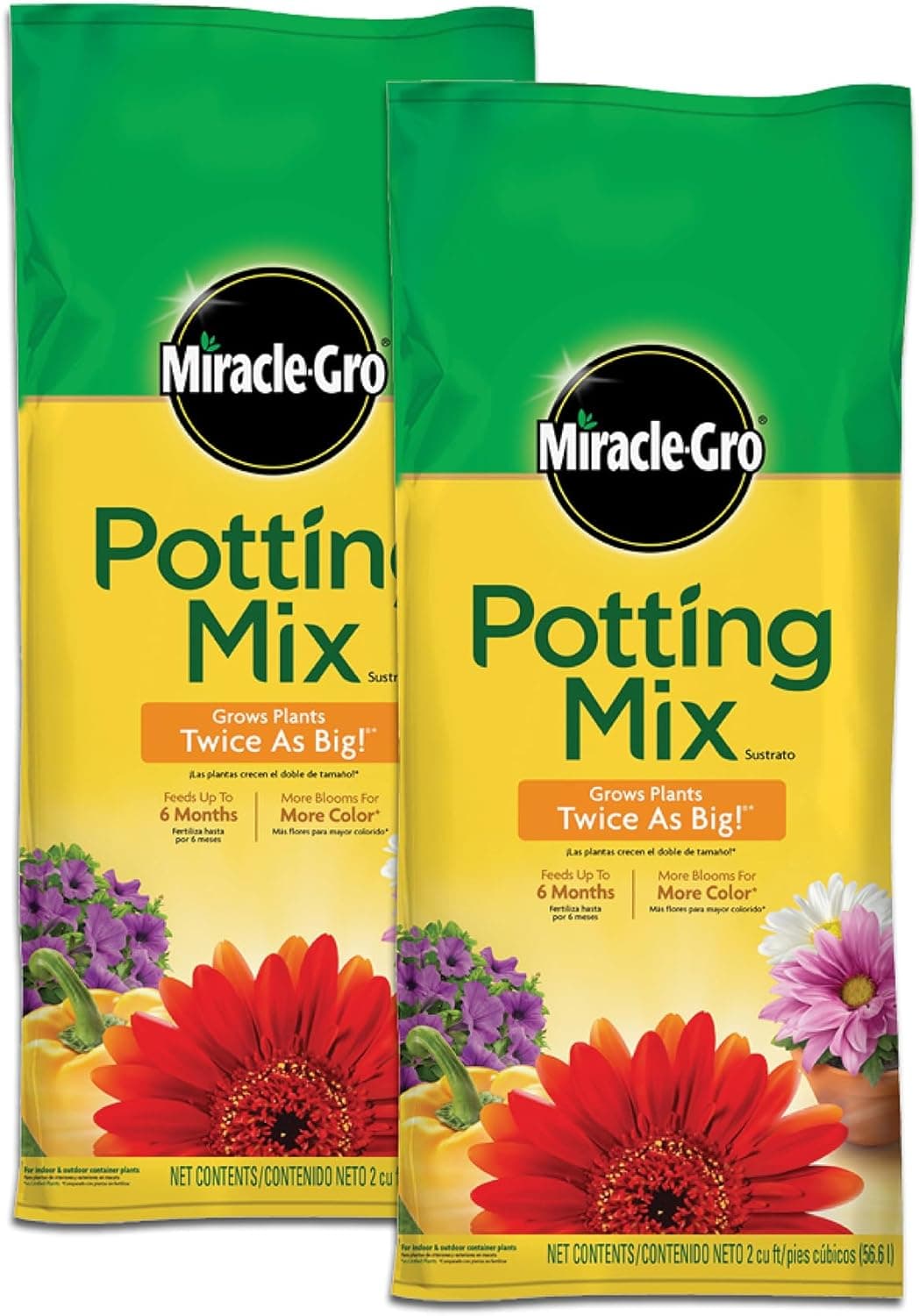
+ 2 cu. ft. bags fill big containers and elevated beds at once
From our guide: Best Potting Soil
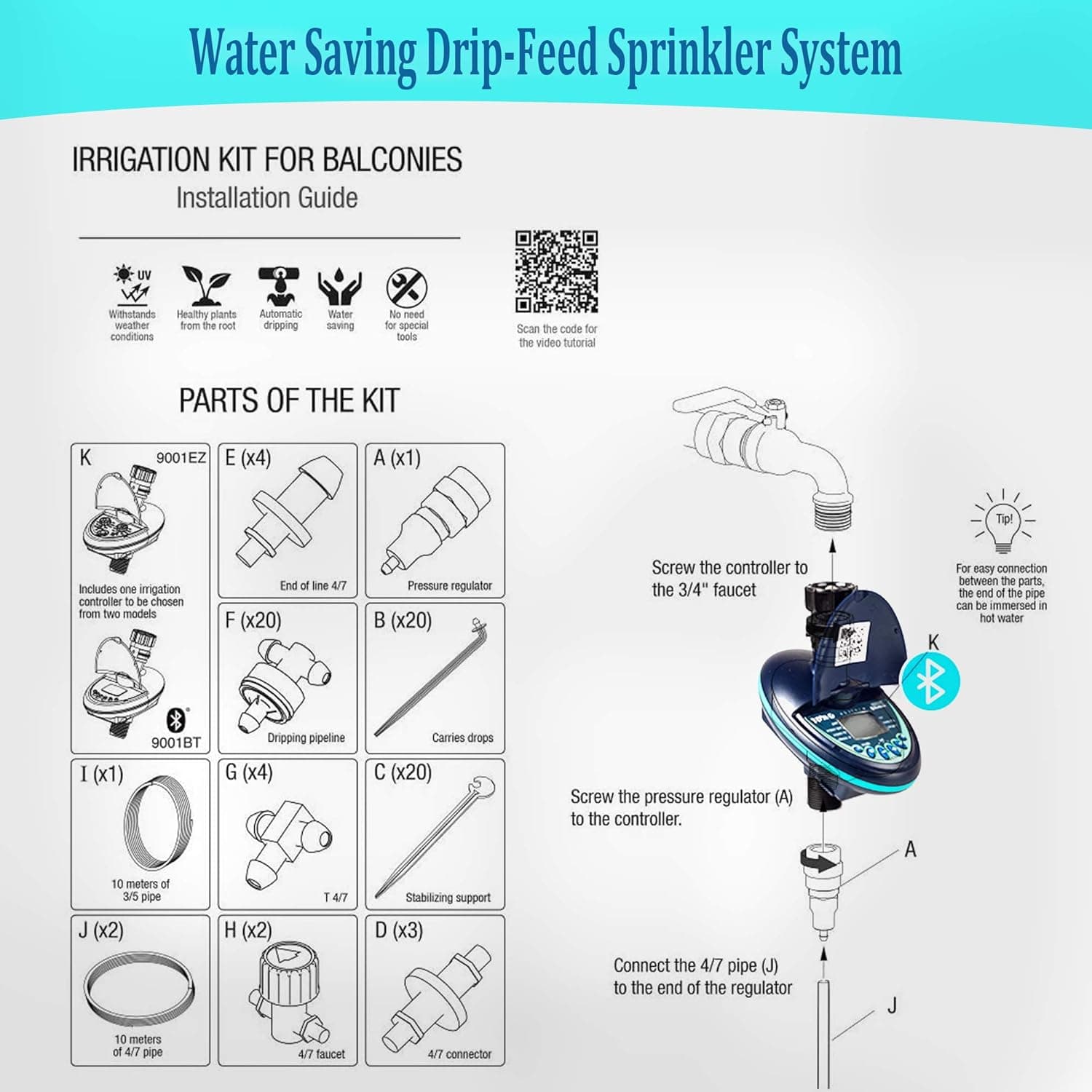
+ Bluetooth control lets you adjust schedules from your phone
From our guide: Best Drip Irrigation Kits for Balcony Gardens
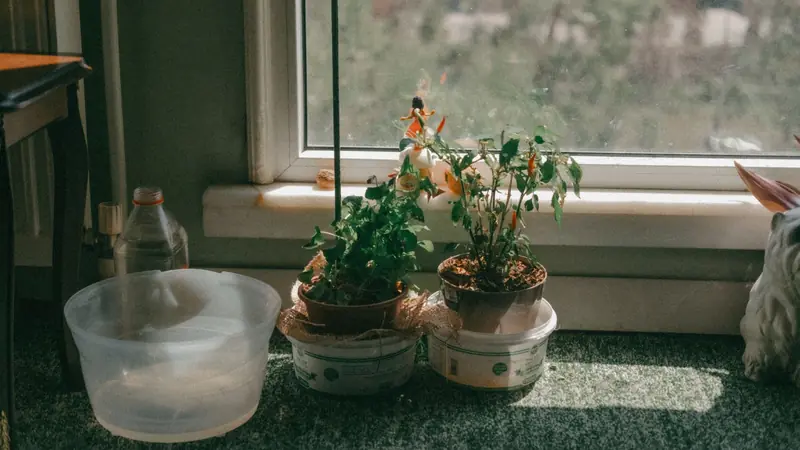
Basil is the summer favorite and thrives with warmth and bright light. Give it at least six hours of sun, keep the soil lightly moist, and pinch off the growing tips regularly. That pinching is the secret, because removing the tops makes the plant branch into a bushy supply rather than a single tall stem that quickly flowers and fades. Once it sets flowers the leaves turn bitter, so keep snipping.
Mint is famously easy, almost too easy. It grows vigorously in partial sun and tolerates a range of conditions, but it spreads aggressively and will strangle anything sharing its pot. Always grow mint in its own container, and you will have more than you can use for tea, drinks, and cooking all season. Chives are similarly forgiving, returning year after year and offering a mild onion flavor plus edible purple flowers.
Parsley, cilantro, and dill cover the softer, leafy end of the herb world and prefer slightly cooler conditions with some shade in the hottest part of the day. Cilantro in particular runs to seed quickly in heat, so sow a little every few weeks for a steady supply rather than expecting one plant to last all summer. Parsley is more patient and will crop for many months from a single pot.
The woody Mediterranean herbs, rosemary, thyme, oregano, and sage, want the opposite of lush and damp. They evolved in dry, rocky places, so give them the sunniest spot, a free-draining mix, and let the soil dry between waterings. Overwatering is the main way people kill them. Treated a little rough, they reward you with intense flavor and often survive mild winters outdoors.
Harvest little and often to keep every herb productive. Snipping regularly signals the plant to keep growing, while letting it flower and set seed tells it the season is over. Never strip more than about a third of a plant at once, and cut just above a leaf pair so it branches from the cut. This gentle, frequent harvesting turns one small plant into a season-long supply.
Group herbs by their needs rather than by looks. Keep the thirsty basil, mint, and parsley together and the drought-tolerant rosemary and thyme in their own drier corner, and watering becomes far simpler. With the right neighbors and the right light, a handful of pots can put fresh herbs within arm's reach of your kitchen from spring to frost.
Popular right now
- Watering Container Plants Correctly on a BalconyArticle
- Best Tomato PlantersBuying guide
- Best Hydroponic Growing Kits for BalconiesBuying guide
- Best Organic FertilizerBuying guide
- Best Plant Support StakesBuying guide
- Why Container Tomatoes Flower but Do Not Set FruitArticle
Based on the last 28 days of search and visitor data.