Choosing Pots and Drainage for Healthy Container Plants
Published How we research
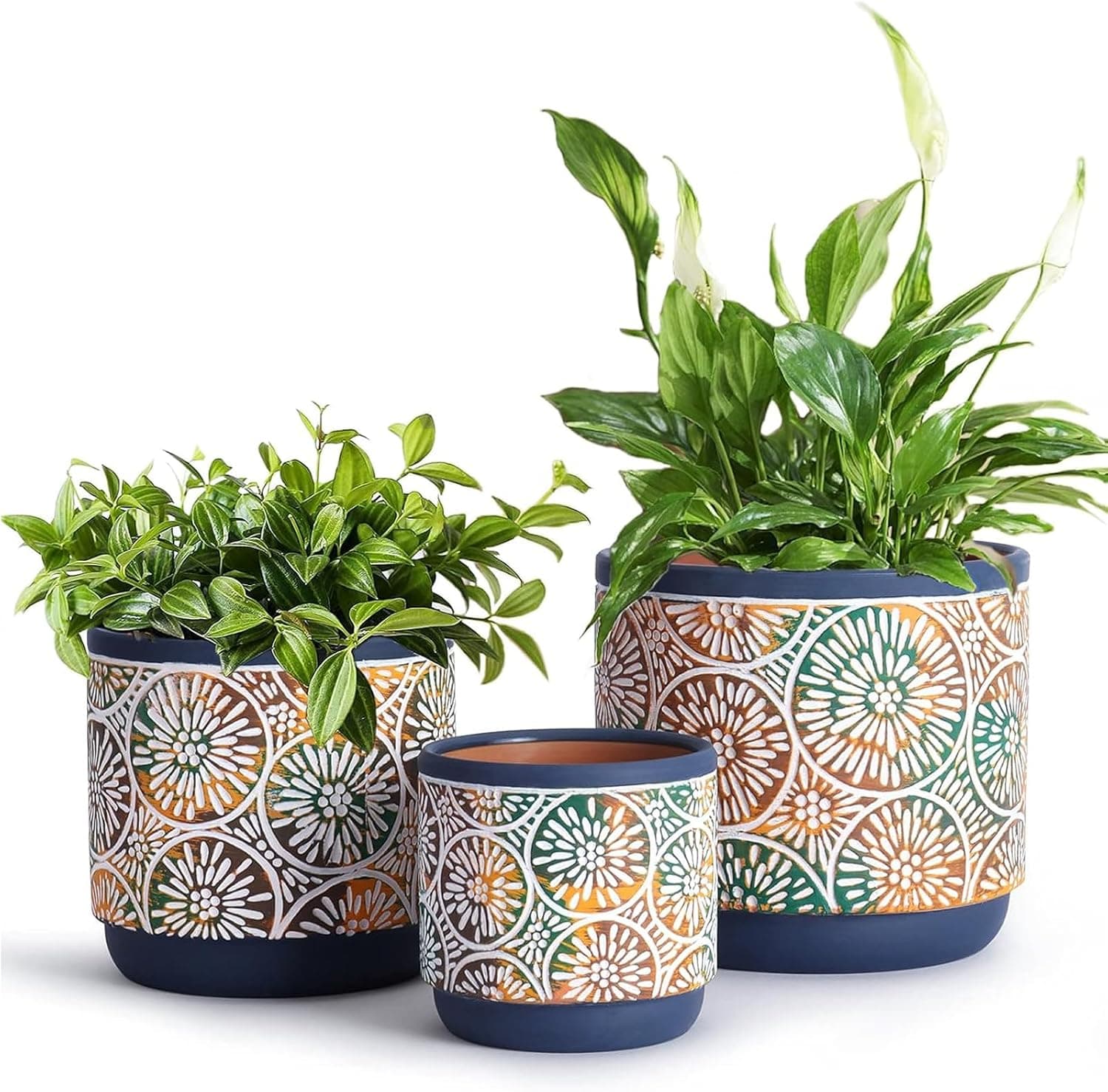
The container is the foundation of every balcony plant, and choosing well saves you endless trouble later. A pot is not just a decorative holder but the entire world a plant's roots will live in, controlling how much water and air they get and how fast the soil warms, cools, and dries. Get the pot and its drainage right and your plants have a real chance to thrive; get them wrong and even careful watering and feeding cannot make up for roots that are drowning, cooking, or cramped. It is worth choosing containers thoughtfully rather than grabbing whatever is cheapest.
Products from this article
The highest-scoring picks from the buying guides this article links to. Scores are our editorial assessment, not customer ratings.
+ 3 Piece set gives graduated sizes for a styled display
From our guide: Best Ceramic Planters
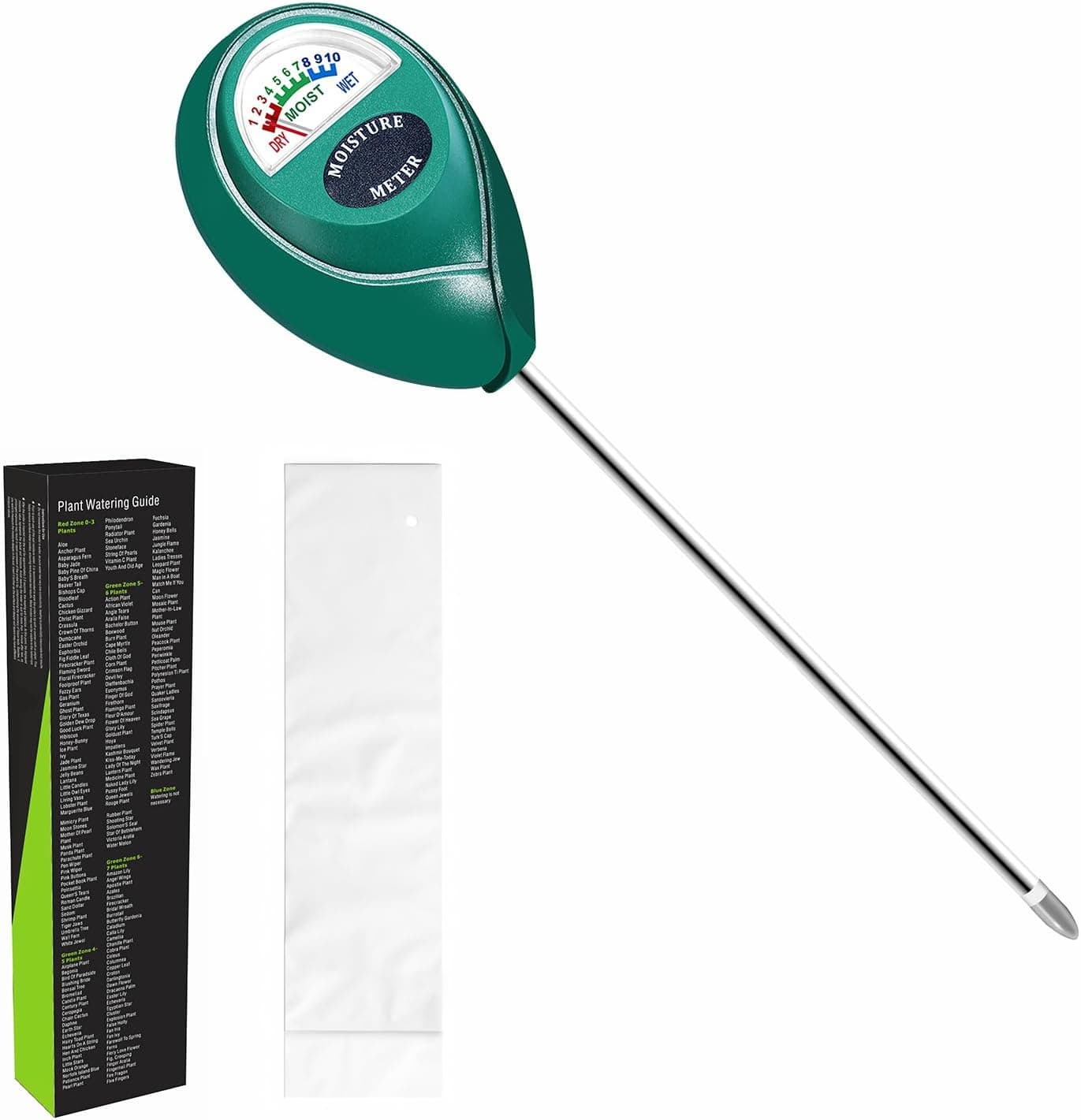
+ 304 Stainless Steel probe resists rust from damp soil
From our guide: Best Moisture Meters
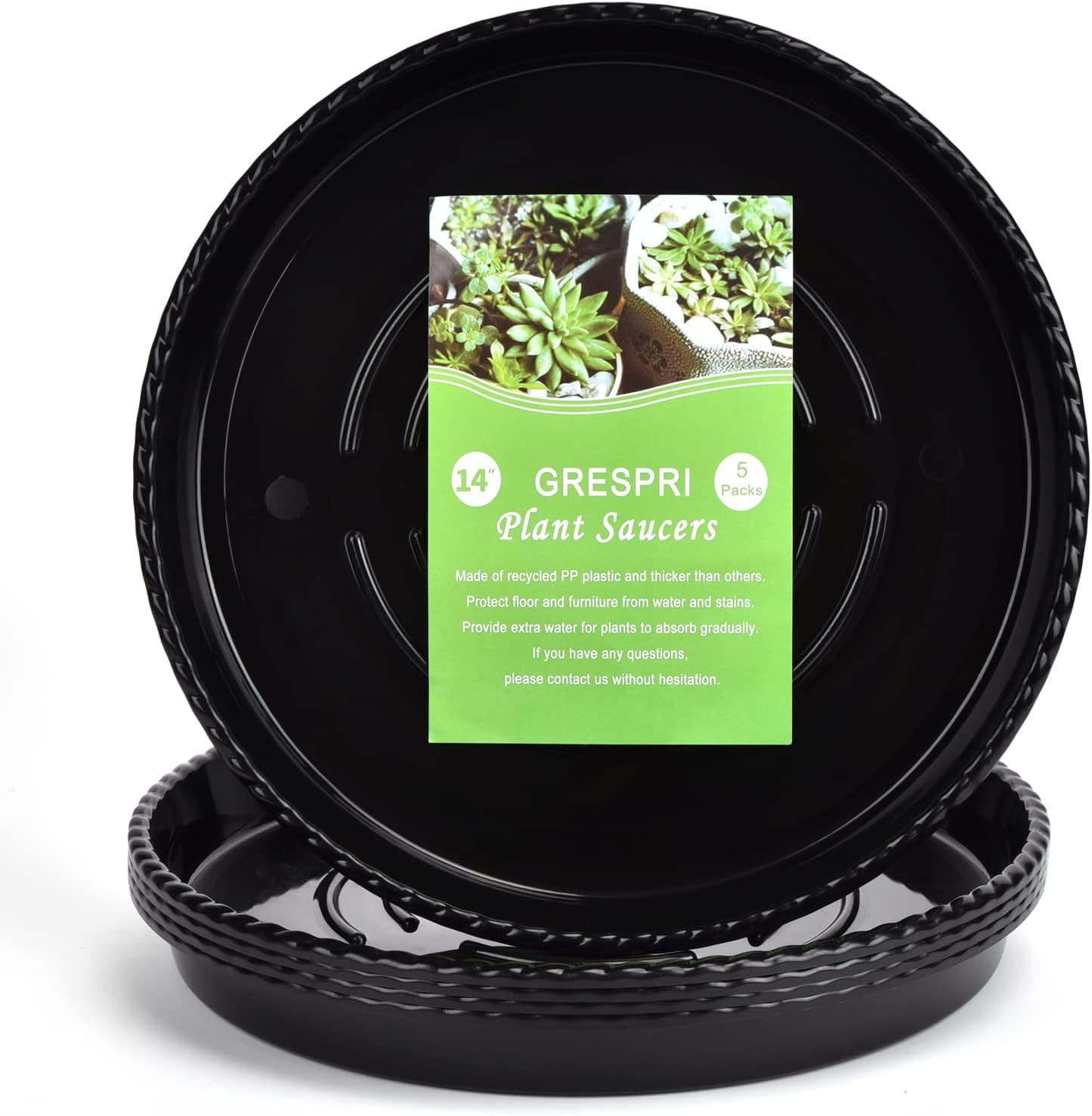
+ Ridged base lifts pots slightly, improving airflow under drainage holes
From our guide: Best Plant Saucers for Balcony and Patio Pots
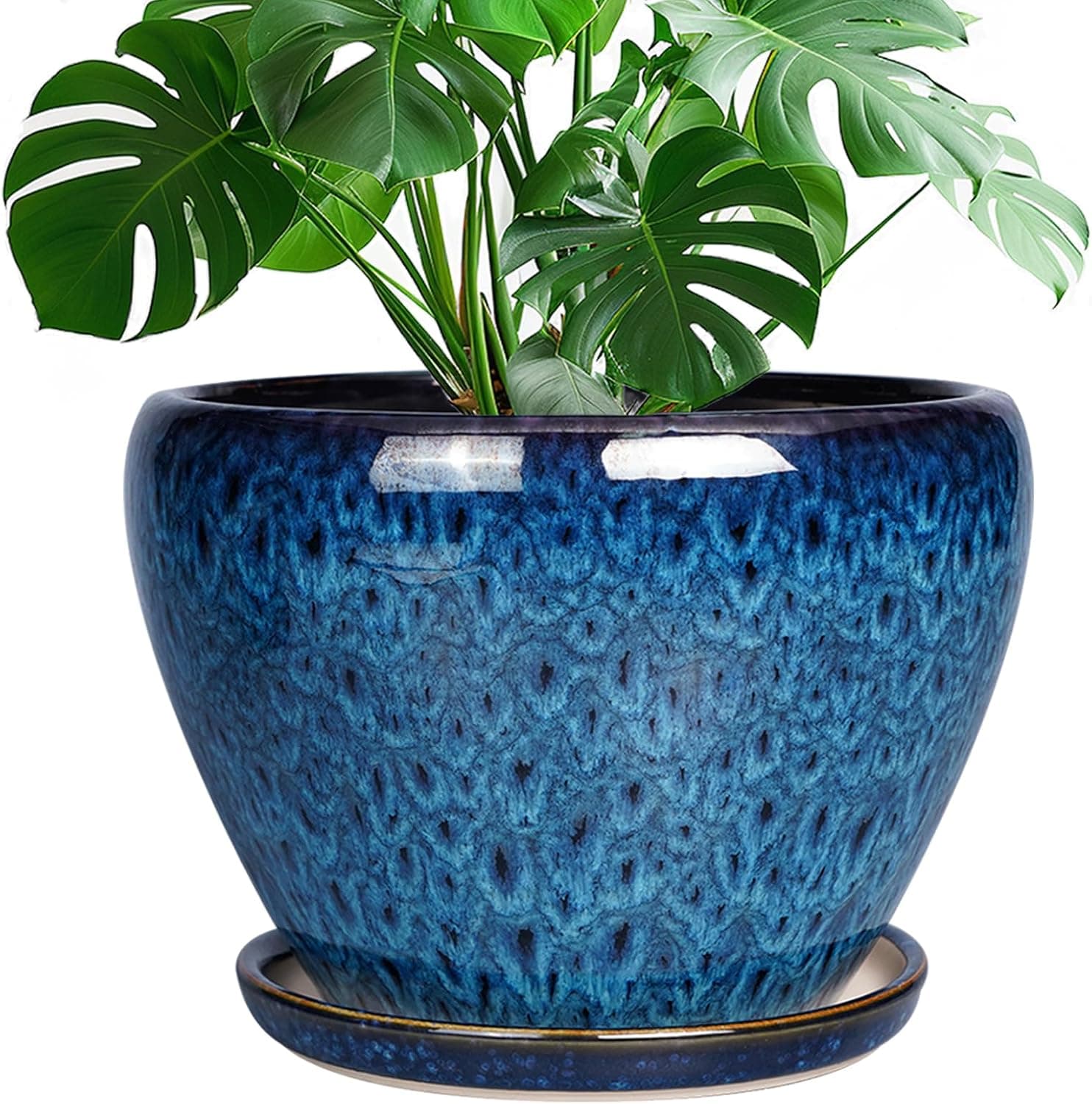
+ 10 Inch size suits snake plants and pothos
From our guide: Best Ceramic Planters
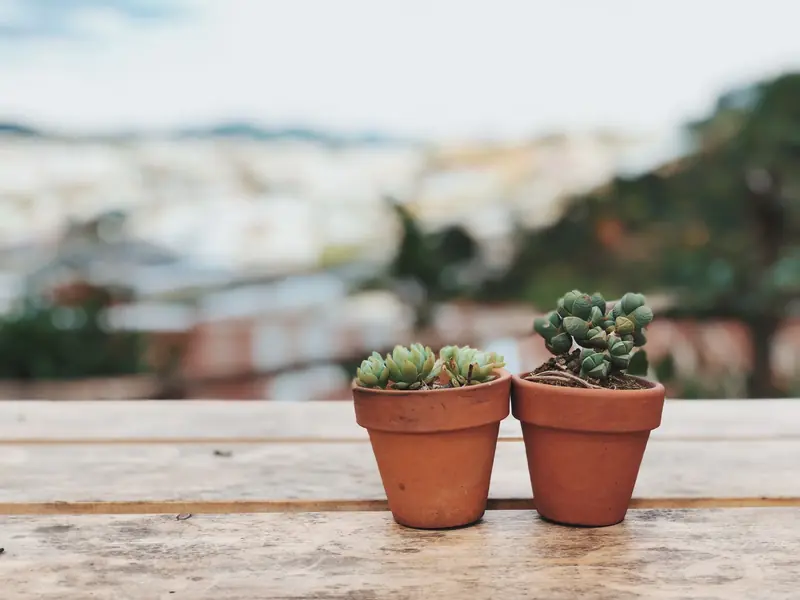
Size is the first decision, and bigger is usually more forgiving than beginners expect. A larger pot holds more soil, which holds more moisture and nutrients, so it dries out more slowly and buffers plants against your inevitable lapses in watering. Small pots heat up, dry out, and run short of food quickly, stressing plants in warm weather. Match the pot to the mature size of the plant rather than its size at purchase, giving roots room to grow, and remember that on a balcony a few well-chosen large containers often work better than many tiny ones.
Material affects both the look of your balcony and the day-to-day care your plants need. Terracotta is attractive and breathable, but its porous walls dry out fast and it is heavy and prone to cracking in frost. Glazed ceramic holds moisture better and looks handsome but is heavier still. Plastic and resin pots are light, cheap, and retain water well, which matters on a windy balcony where weight and evaporation are real concerns, though they can look less refined. Fabric grow bags drain and air the roots superbly and are light to move, but need watering more often. Weigh appearance against practicality for your conditions.
Drainage is where the most plants are lost, and it is non-negotiable. Every container must have holes in the base so excess water can escape, because roots left standing in waterlogged soil are starved of oxygen and quickly rot. If a decorative pot you love has no holes, either drill some or use it as an outer cover for a plain inner pot that does drain, lifting the inner pot out to empty any water that collects. No amount of careful watering can compensate for a pot that traps water around the roots, so treat drainage holes as an absolute requirement.
There is an old habit of adding a layer of gravel or broken crocks at the bottom of a pot to improve drainage, and it is worth knowing that this does little good and can even do harm. Water does not move easily from fine soil into a coarse layer beneath, so a gravel layer can actually raise the level of soggy soil around the roots. The reliable route to good drainage is simple: a quality potting mix that holds structure, and clear, open holes in the base. Cover the holes with a piece of mesh or a coffee filter if you like, only to stop soil washing out.
A few practical touches make container life easier once the pot is chosen. Raise pots slightly on feet or blocks so the drainage holes stay clear and water flows freely, especially on a flat balcony floor. Consider self-watering containers with a built-in reservoir if you struggle to water often, as they smooth out the peaks and troughs of moisture. Keep heavy filled pots near supporting walls, and choose lighter materials for anything you will move or lift onto the railing. Match the pot to the plant, insist on real drainage, and the rest of balcony gardening becomes far simpler.
Popular right now
- Watering Container Plants Correctly on a BalconyArticle
- Best Tomato PlantersBuying guide
- Best Hydroponic Growing Kits for BalconiesBuying guide
- Best Organic FertilizerBuying guide
- Best Plant Support StakesBuying guide
- Why Container Tomatoes Flower but Do Not Set FruitArticle
Based on the last 28 days of search and visitor data.