Growing Herbs on a Windowsill
Published How we research
A windowsill herb garden is the most accessible form of growing there is, needing no balcony, no yard, and barely any space. A few small pots on a bright ledge can supply fresh basil, mint, parsley, and chives within arm's reach of the kitchen, which is exactly where you want them when cooking. Yet windowsill herbs are also easy to kill through small avoidable mistakes, so understanding what these plants really need indoors is what separates a thriving little garden from a row of sad, leggy stems.
Products from this article
The highest-scoring picks from the buying guides this article links to. Scores are our editorial assessment, not customer ratings.
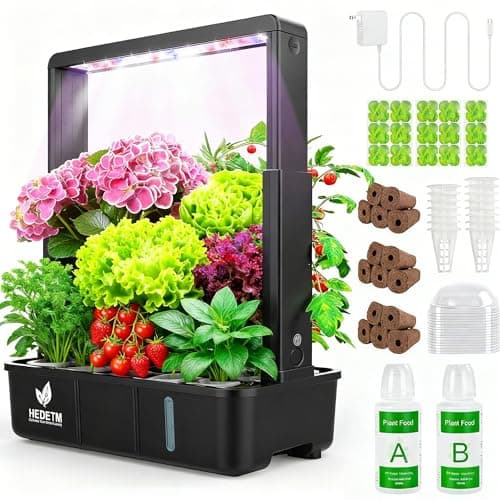
+ 12 Pods let you run herbs and lettuce side by side
From our guide: Best Indoor Herb Garden Kits
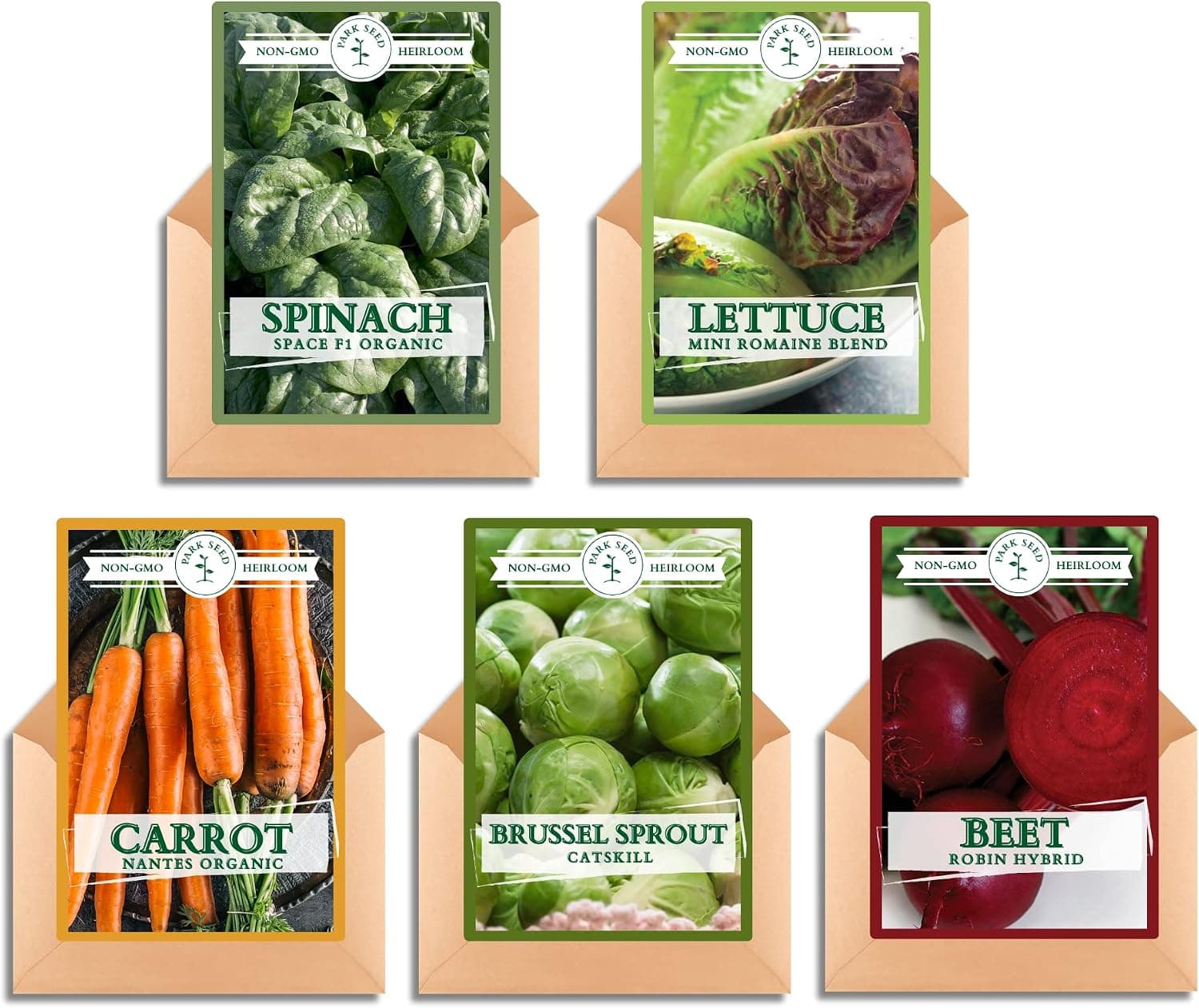
+ Compact varieties are chosen specifically for container growing
From our guide: Best Vegetable Seeds for Containers
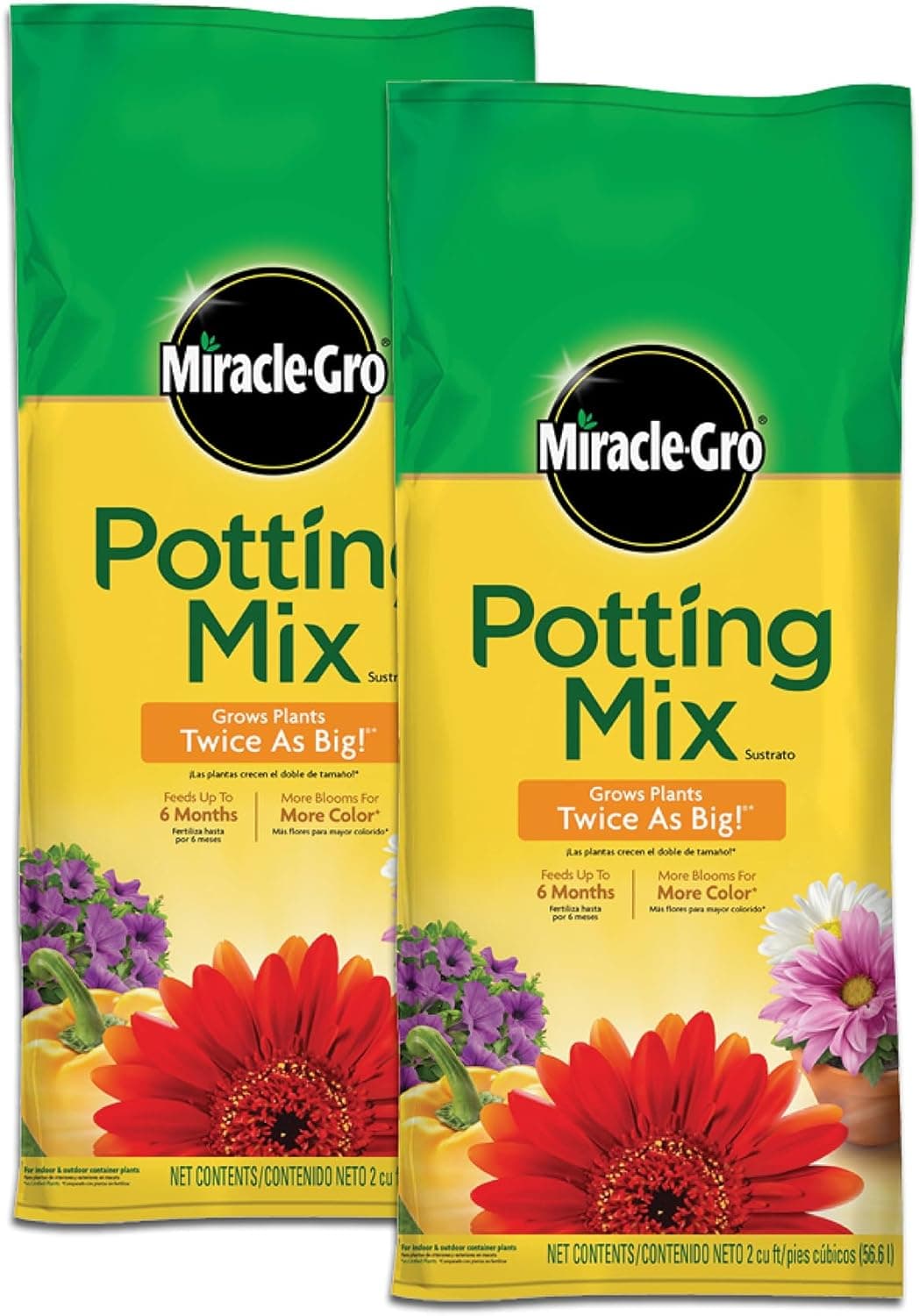
+ 2 cu. ft. bags fill big containers and elevated beds at once
From our guide: Best Potting Soil
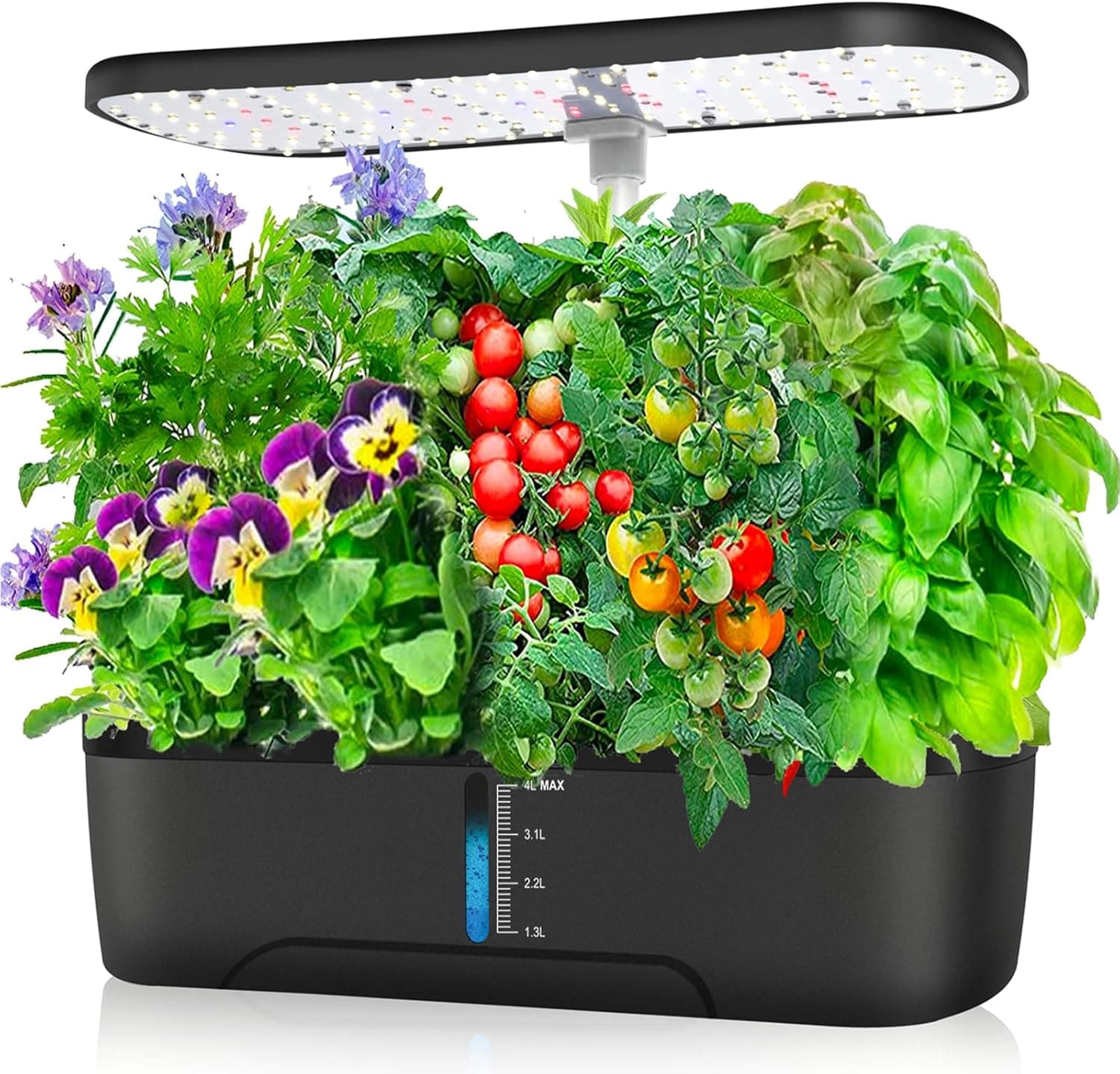
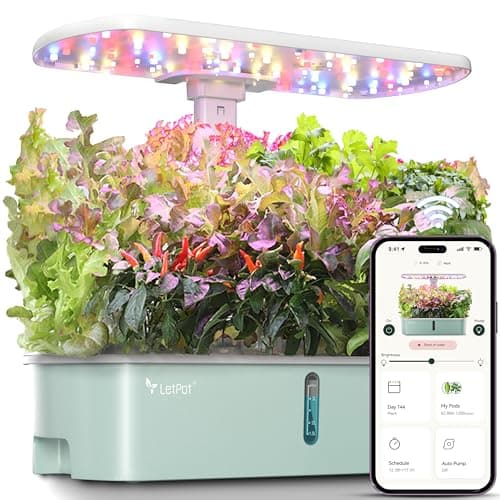
+ Ten planting pods suit herbs and sprouts, and the LetPot app adjusts lighting over a 24 hour range.
From our guide: Best Indoor Herb Garden Kits
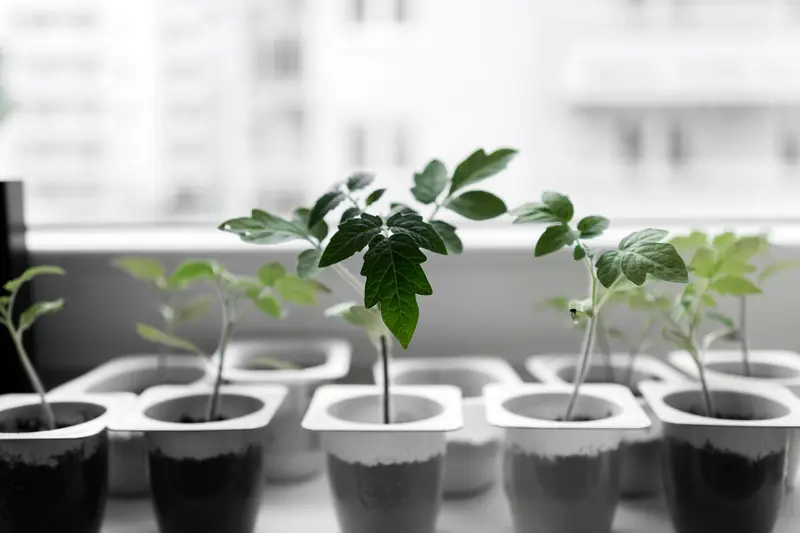
Light is the first and most important consideration, because most culinary herbs are sun-lovers at heart. A south or west-facing windowsill that gets several hours of direct sun a day gives the best results, while a dim north-facing ledge will leave plants pale and stretched. If your brightest window still falls short, especially through the dark months of winter, a small grow light placed above the pots makes a real difference and keeps herbs compact and flavourful. Turn the pots every few days so plants grow evenly rather than leaning hard toward the glass.
Choosing the right herbs for indoor life sets you up for success. Chives, mint, parsley, thyme, and oregano are among the most reliable on a windowsill, tolerating the confined roots and steady indoor temperatures well. Basil grows happily too but craves warmth and good light, so give it your sunniest spot. Mint is vigorous and best kept in its own pot, since it will crowd out anything sharing its container. Starting with a few forgiving varieties builds confidence before you experiment with fussier plants like coriander, which tends to bolt quickly indoors.
The container and soil matter more than their small size suggests. Every pot needs drainage holes, because herbs sitting in waterlogged soil rot fast in the still air of an indoor room. Use a free-draining potting mix rather than heavy garden soil, and stand pots on a saucer or tray to protect the sill. Give each herb enough room for its roots, and resist the temptation to cram several vigorous plants into one small pot, where they will compete and struggle. A slightly larger pot dries out more slowly and forgives irregular watering.
Watering indoor herbs calls for a lighter touch than many people expect. Without wind and strong sun, windowsill pots dry more slowly, and overwatering is the commonest cause of failure. Check the soil with a finger and water only when the top has begun to dry, then water thoroughly and let the excess drain away. Herbs like basil and mint prefer consistently moist soil, while thyme and oregano come from dry climates and like to dry out more between waterings, so group plants with similar tastes together where you can.
Regular harvesting is not just a reward but part of good care, because cutting keeps herbs bushy and productive. Pinch or snip from the top and the growing tips, taking a little from several plants rather than stripping one bare, and never remove more than about a third at once. This encourages branching and prevents plants from becoming tall and woody. Pinch off any flower buds on leafy herbs like basil to keep the flavour in the leaves. Tended this way, a windowsill of herbs will keep giving fresh cuttings for months, bringing a little of the garden right into the kitchen.
Popular right now
- Watering Container Plants Correctly on a BalconyArticle
- Best Tomato PlantersBuying guide
- Best Hydroponic Growing Kits for BalconiesBuying guide
- Best Organic FertilizerBuying guide
- Best Plant Support StakesBuying guide
- Why Container Tomatoes Flower but Do Not Set FruitArticle
Based on the last 28 days of search and visitor data.