Maximizing Yield in Containers
Published How we research
A balcony gives you limited room, so the real question is not just what to grow but how to get the most from every pot. Maximizing yield in containers is about working intensively and intelligently, squeezing more food from a small space through good technique rather than sheer square footage. With the right choices, a handful of well-managed containers can produce a genuinely useful amount of food across a season, far more than an inexperienced gardener would think possible from the same few pots.
Products from this article
The highest-scoring picks from the buying guides this article links to. Scores are our editorial assessment, not customer ratings.
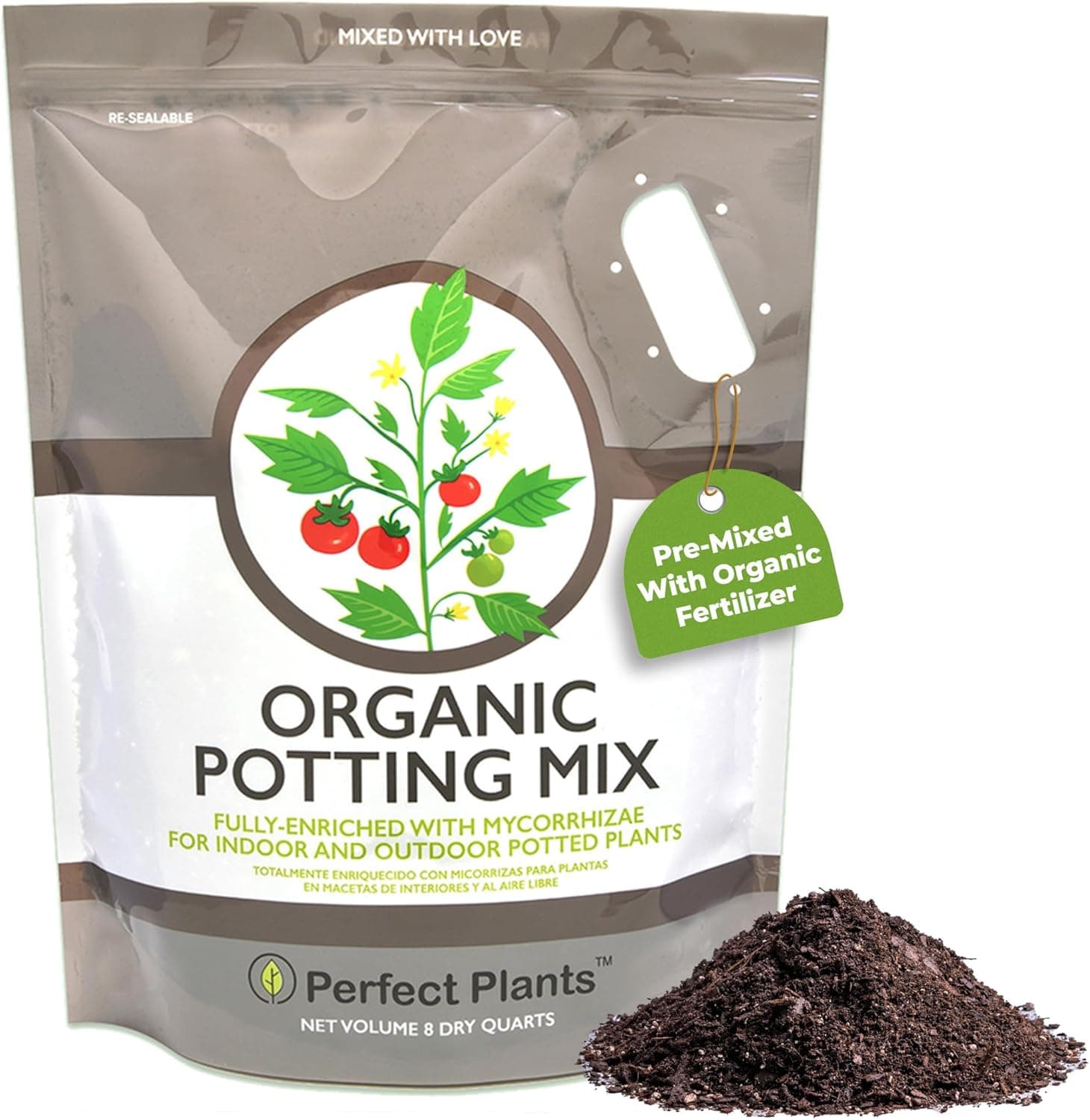
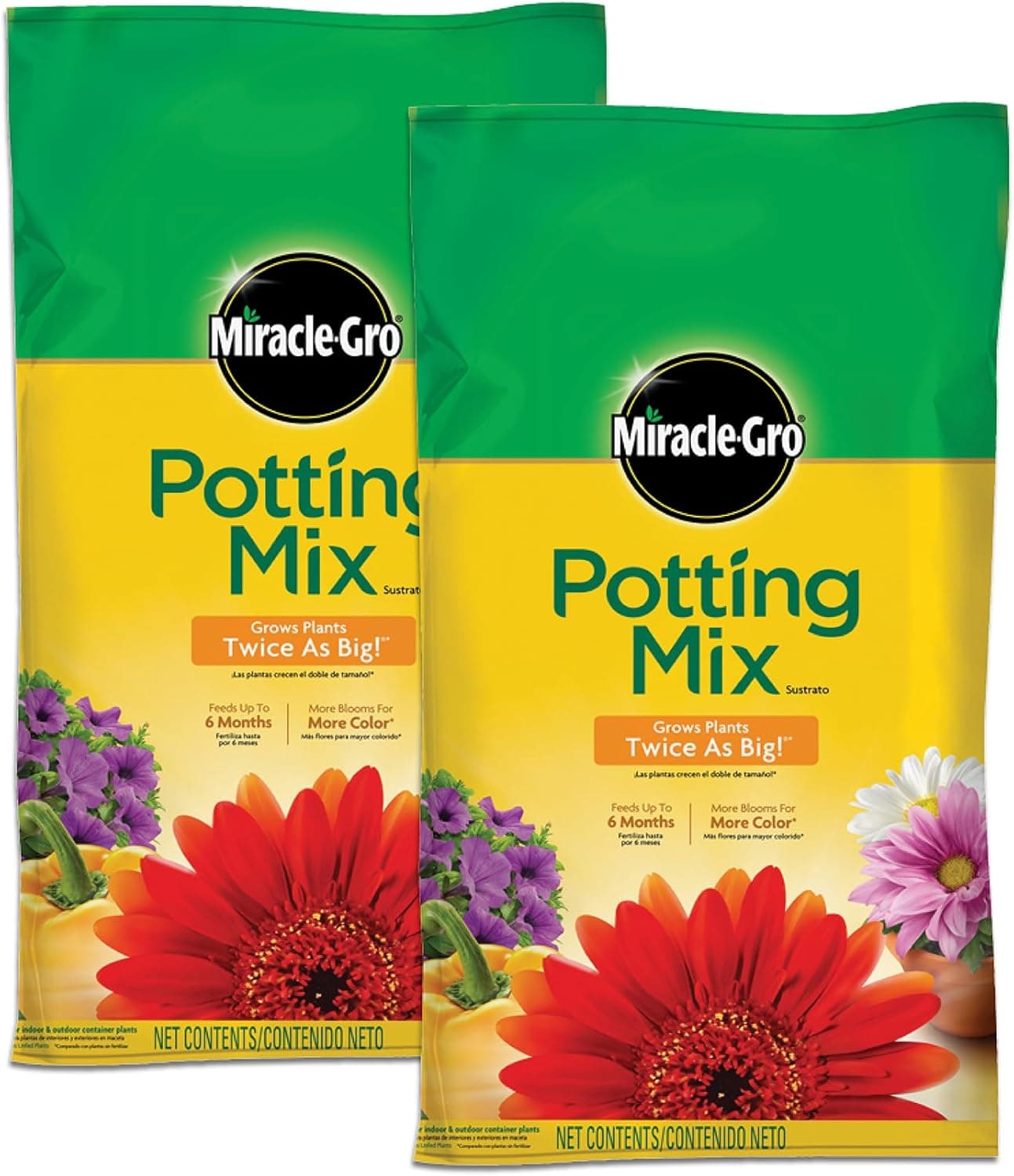
+ 2 cu. ft. bags fill big containers and elevated beds at once
From our guide: Best Potting Soil
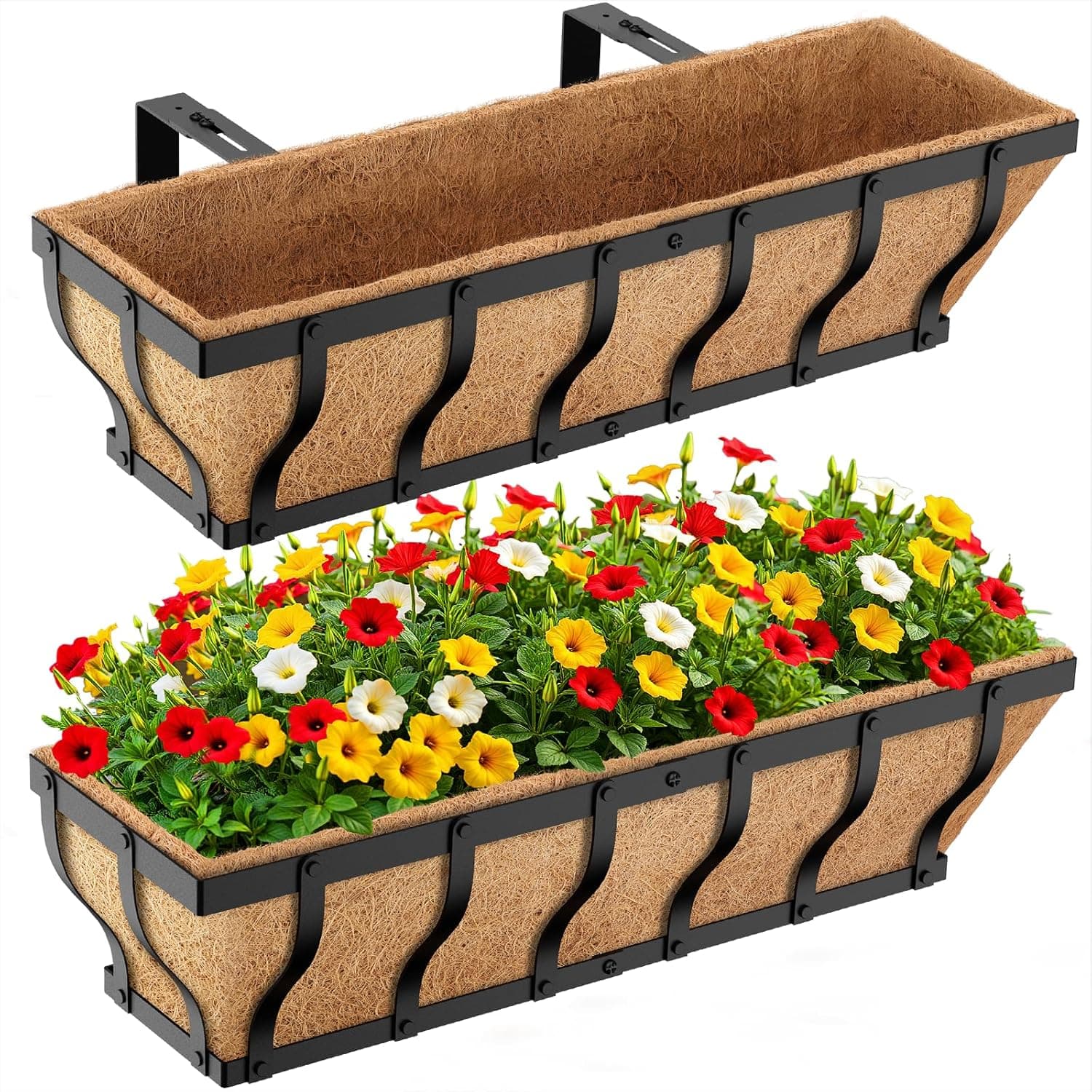
+ Heavy Duty build holds wet soil securely on the railing
From our guide: Best Window Boxes
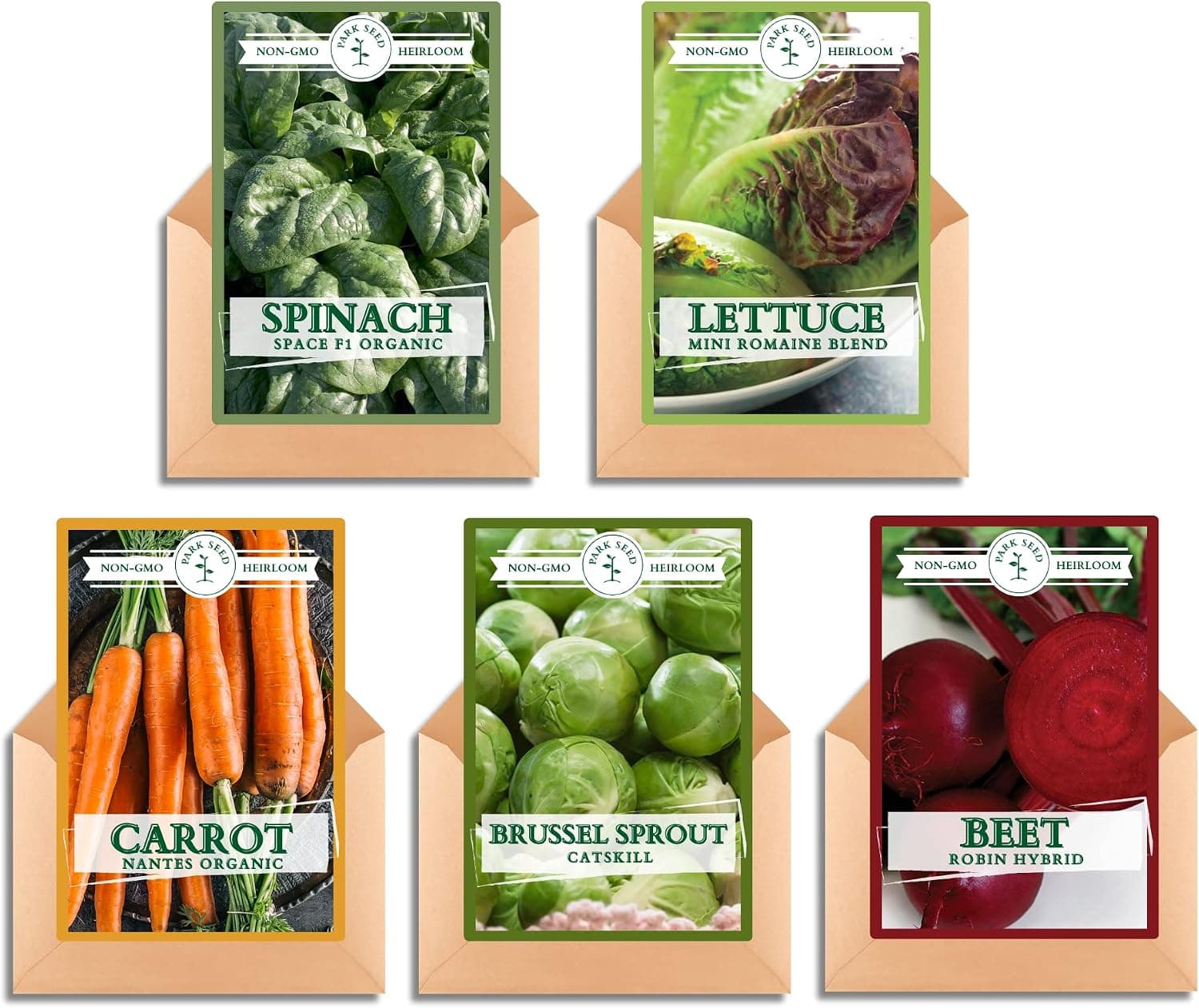
+ Compact varieties are chosen specifically for container growing
From our guide: Best Vegetable Seeds for Containers
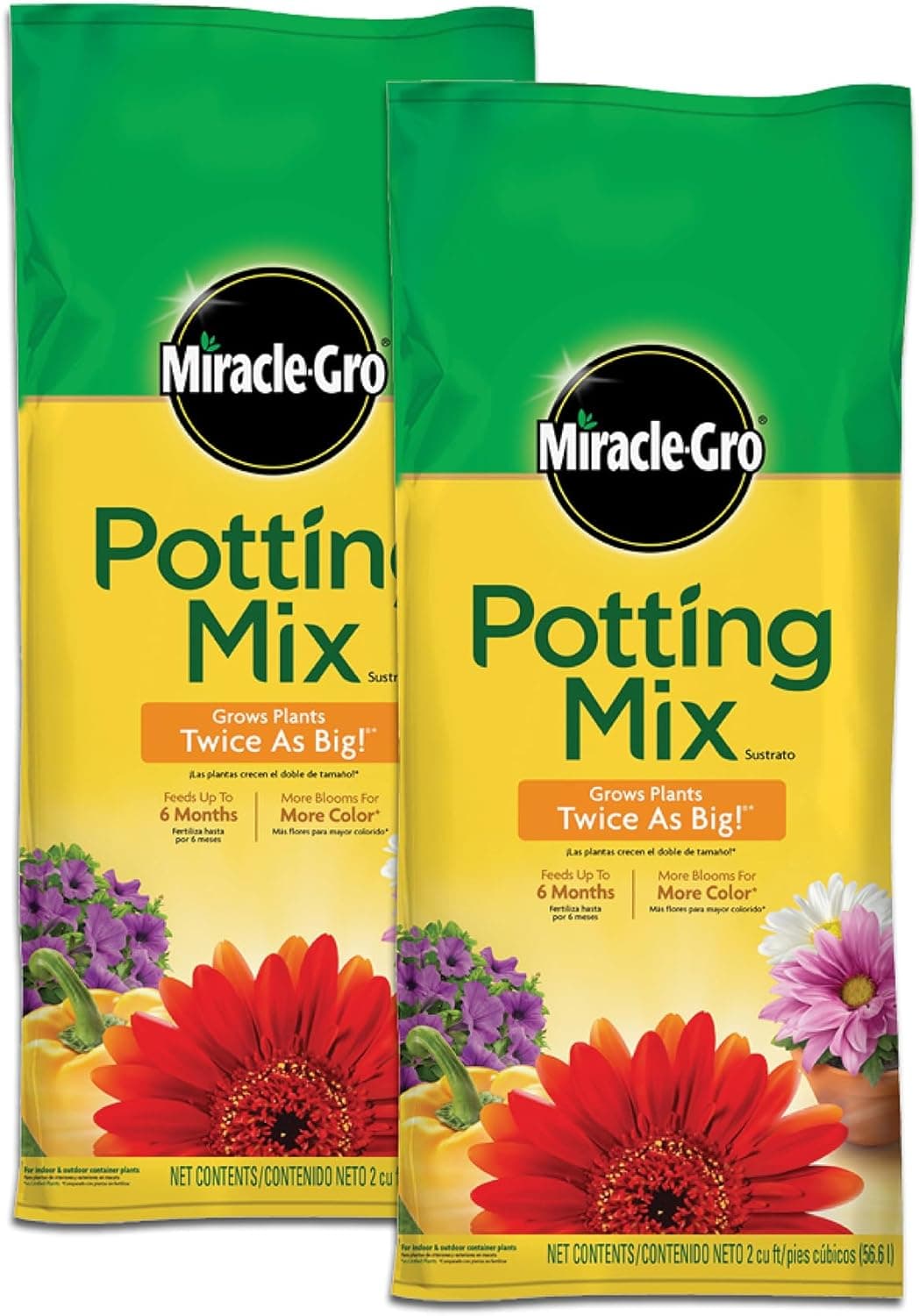
+ Miracle-Gro formula is designed specifically for container plants
From our guide: Best Potting Soil
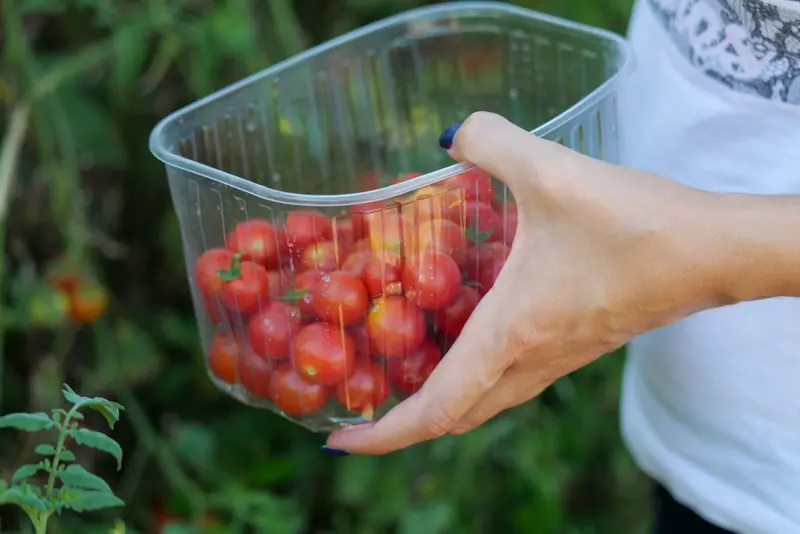
It begins with choosing high-yielding crops suited to containers, because some plants simply give far more return for their space than others. Cut-and-come-again salad leaves, cherry tomatoes, climbing beans, and productive herbs all deliver repeated or generous harvests from a small footprint, while a single slow crop that fills a large pot for months may not. Favour plants you can pick from repeatedly over those harvested only once, and choose compact, heavy-cropping varieties bred for containers. Selecting the right crops from the start does more for your total harvest than almost anything else.
Succession sowing keeps a container productive from spring to autumn instead of yielding a single flush and then sitting empty. Rather than sowing a whole pot of lettuce at once, sow a little every couple of weeks so that as one batch is harvested another is coming on, giving a steady supply rather than a glut followed by nothing. As soon as one crop finishes, replant the space immediately with something else suited to the season. This continuous cycle means no container ever sits idle, effectively multiplying the harvest you get from the same square of balcony.
Feeding is essential in containers because the limited soil runs out of nutrients quickly under intensive growing. Plants packed into pots and cropped hard are hungry, and the potting mix they started in cannot sustain them for long. A regular liquid feed once plants are established keeps growth strong and yields high, with fruiting crops like tomatoes benefiting from a feed higher in potassium once they flower. Refreshing the top layer of soil or adding compost between crops replenishes the pot. Without steady feeding, an intensively planted container will stall no matter how well you water it.
Making full use of vertical and layered space multiplies the growing area without needing more floor. Training beans, peas, and cucumbers up supports lets them crop upward instead of sprawling, and underplanting tall crops with low, shade-tolerant leaves uses the ground beneath them. Interplanting quick crops like radishes between slower ones lets you harvest something from the gaps before the main crop needs the room. Thinking in three dimensions rather than two, you can layer plants of different heights and speeds so that every part of the container is doing something useful.
Finally, the fundamentals of care underpin every high yield, because a stressed plant simply produces less. Consistent watering, the sunniest position you can offer for fruiting crops, and prompt harvesting all keep plants cropping at their best. Picking regularly is itself a yield booster, since many plants, from beans to salad leaves to herbs, produce more when you keep cutting them and stop when allowed to go to seed. Combine productive crops, succession sowing, steady feeding, vertical layering, and attentive care, and even the smallest balcony can be turned into a genuinely rewarding source of food.
Popular right now
- Watering Container Plants Correctly on a BalconyArticle
- Best Tomato PlantersBuying guide
- Best Hydroponic Growing Kits for BalconiesBuying guide
- Best Organic FertilizerBuying guide
- Best Plant Support StakesBuying guide
- Why Container Tomatoes Flower but Do Not Set FruitArticle
Based on the last 28 days of search and visitor data.