North-Facing Balcony Plants
Published How we research
A north-facing balcony feels like a disappointment to new gardeners, but it is simply a different set of possibilities. Countless plants evolved on shady forest floors and actually suffer in harsh sun, so a low-light balcony is their ideal home. The mistake is trying to force sun-lovers like tomatoes to perform where they never will, then blaming the space rather than the plant choice.
Products from this article
The highest-scoring picks from the buying guides this article links to. Scores are our editorial assessment, not customer ratings.
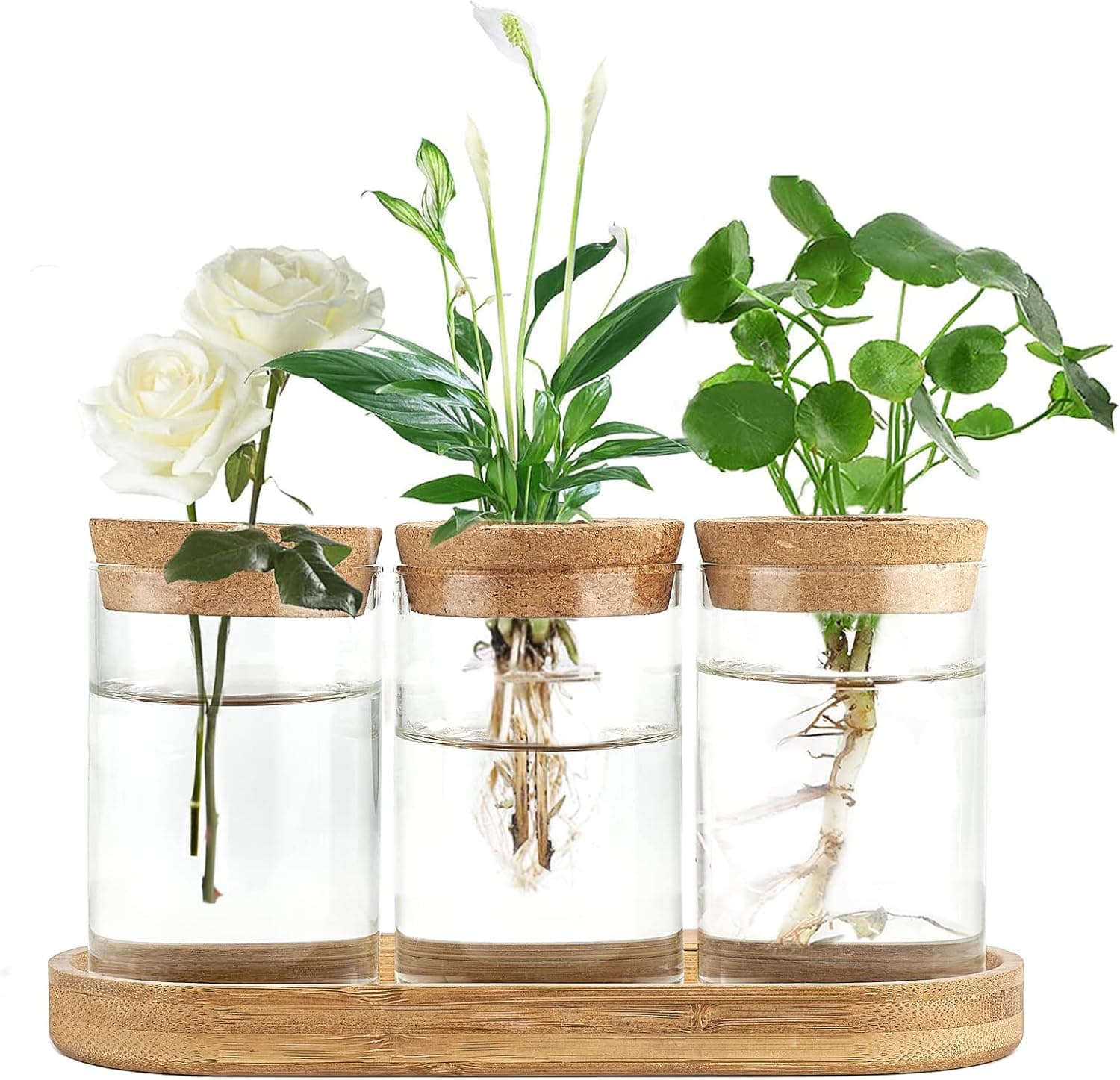
+ Mix of tabletop and wall mounted pieces adds display flexibility
From our guide: Best Plant Propagation Stations for Cuttings
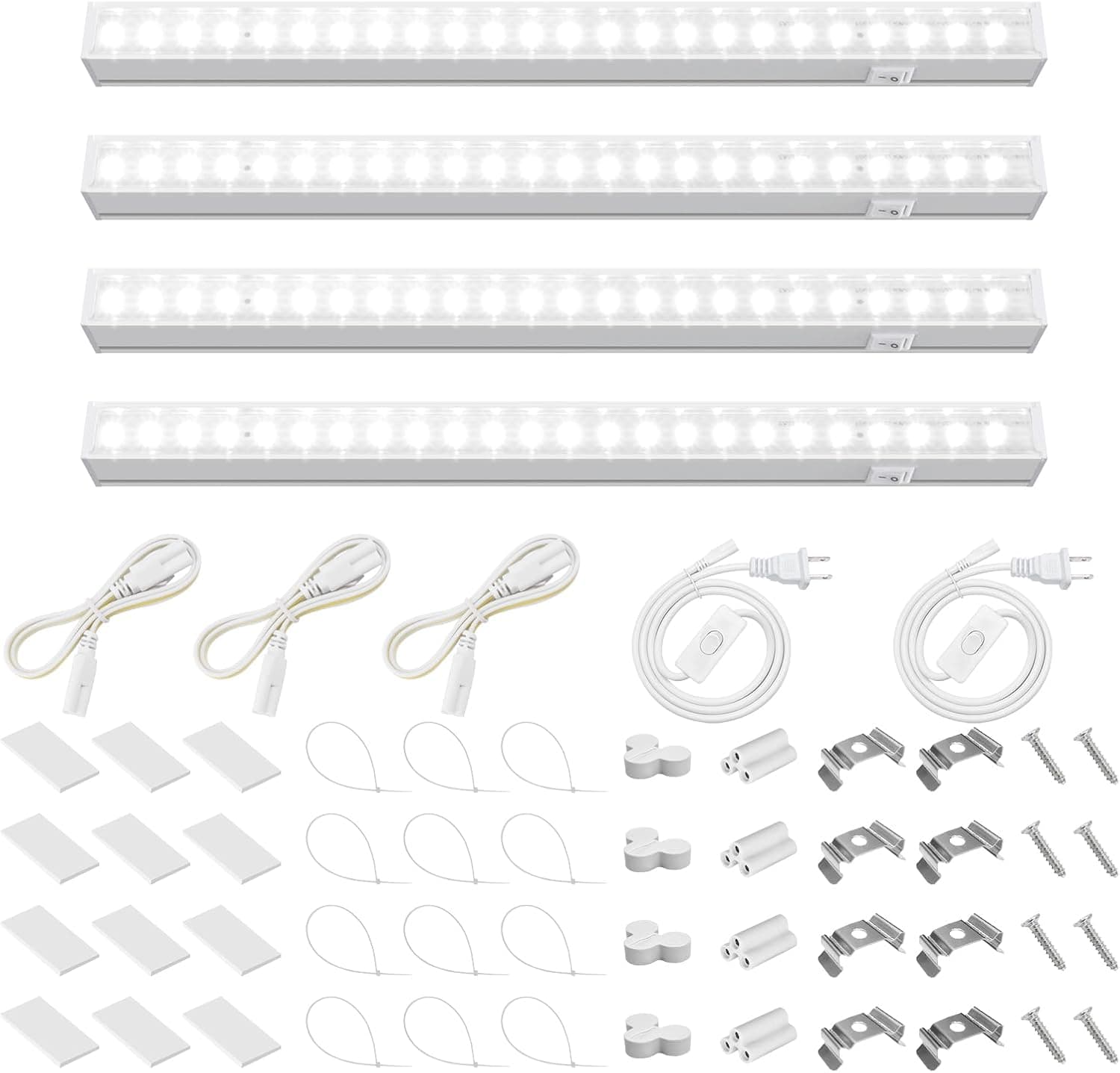
+ Linkable strips suit multi-shelf seedling racks
From our guide: Best Grow Lights for Indoor Plants
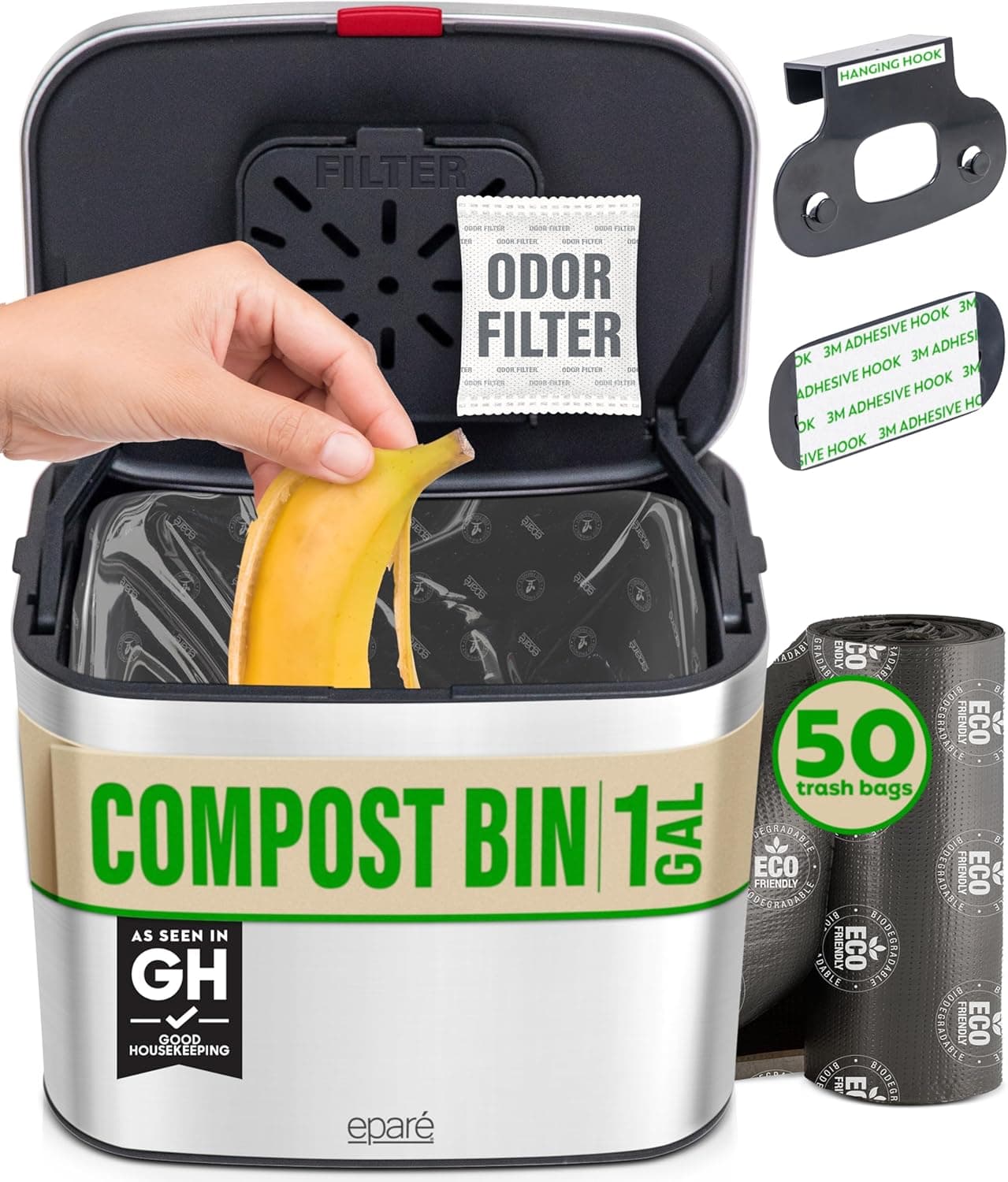
+ 50 Bags are included, covering weeks of daily use
From our guide: Best Compost Bins for Apartments
+ Lids help hold humidity around fresh cuttings
From our guide: Best Plant Propagation Stations for Cuttings


First, read your shade honestly, because not all shade is equal. A north balcony that is open to the sky still receives plenty of bright, indirect light, which many plants love. One that is also boxed in by walls or an overhang above is genuinely dim and calls for the toughest shade dwellers. Spend a day noticing whether your space is bright shade or deep shade, and choose accordingly.
For foliage, shade is a gift. Ferns, hostas, and heucheras bring rich texture and color without needing a ray of direct sun, and they thrive in the cool, even light a north balcony provides. Their leaves come in greens, silvers, purples, and bronzes, so a shady corner can be every bit as colorful as a sunny one, just with foliage instead of flowers.
Shade-tolerant flowers do exist and keep the space cheerful. Impatiens, begonias, fuchsias, and violas all bloom happily in partial shade and forgive the lower light that would leave sun-lovers leggy and flowerless. Grouped in pots and refreshed through the season, they give you real color where conventional wisdom says nothing will bloom.
Even edibles are possible with the right expectations. You will not ripen a pepper, but leafy crops actively prefer cooler, shadier conditions in summer. Lettuce, spinach, arugula, kale, and chard grow well in bright shade and bolt less quickly than they would in full sun. Herbs like mint, parsley, chives, and chervil also tolerate lower light, giving you fresh flavor from a spot most people write off.
Design can stretch what little light you have. Painting a wall white or pale, or hanging a weatherproof mirror, bounces light back onto your plants and makes the whole balcony feel brighter. Keep the glass on nearby doors clean and avoid clutter that casts extra shade. Small moves like these can lift a dim corner into the bright-shade category where far more plants succeed.
Work with the conditions rather than against them and a shaded balcony becomes a cool, lush retreat, a leafy escape from the heat rather than a failed sun-trap. Choose plants that want what you have, lean into foliage and texture, and you will likely end up with a calmer, greener space than many of your sun-baked neighbors.
Popular right now
- Watering Container Plants Correctly on a BalconyArticle
- Best Tomato PlantersBuying guide
- Best Hydroponic Growing Kits for BalconiesBuying guide
- Best Organic FertilizerBuying guide
- Best Plant Support StakesBuying guide
- Why Container Tomatoes Flower but Do Not Set FruitArticle
Based on the last 28 days of search and visitor data.