Small-Space Composting for Balconies and Apartments
Published How we research
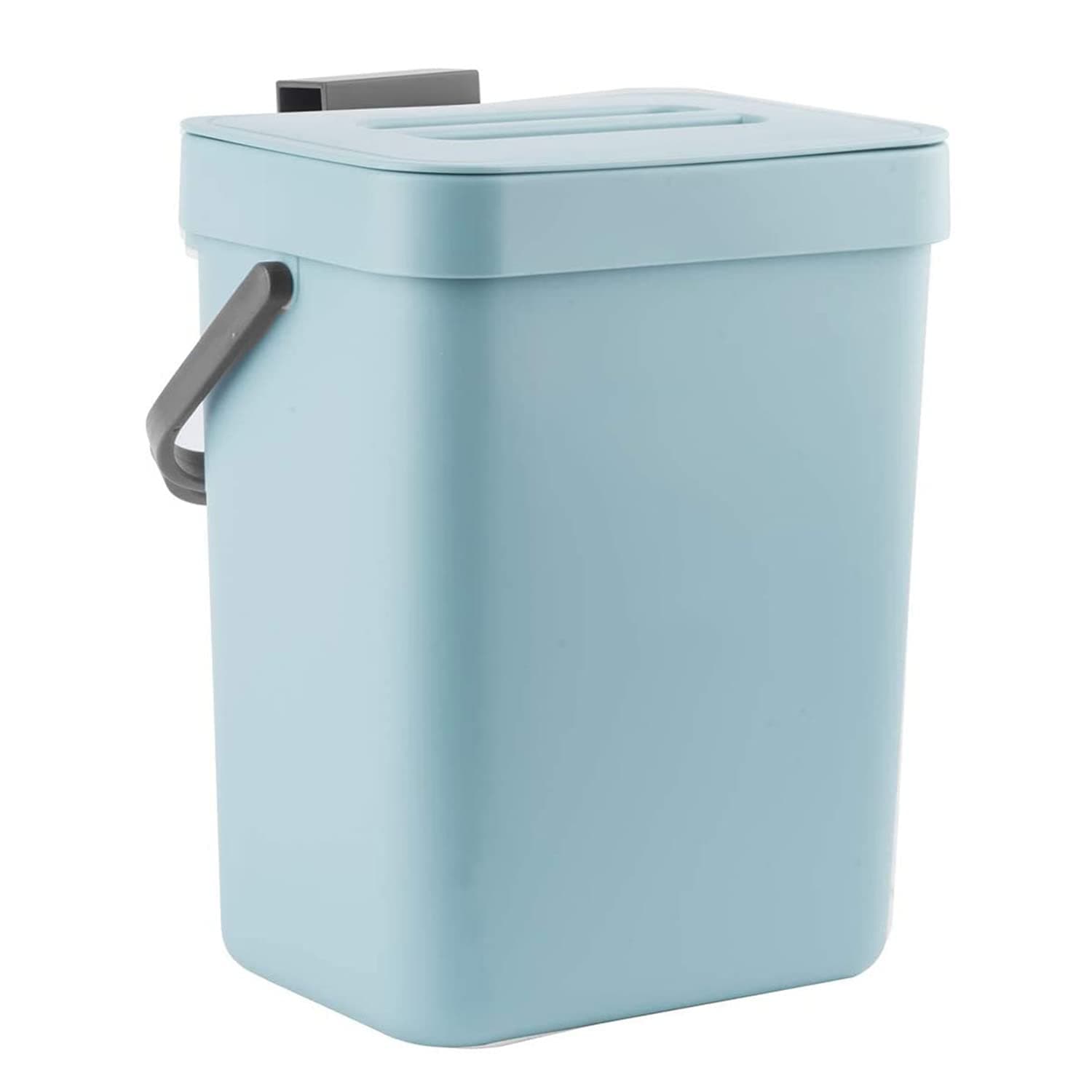
Composting is often imagined as something for people with big gardens and a heap at the bottom of the plot, but it works beautifully in the smallest of spaces too. For a balcony gardener it makes particular sense, turning the kitchen scraps you would otherwise throw away into rich food for the very containers you are trying to keep productive. Container soil loses its goodness over a season, and homemade compost is a free, sustainable way to replenish it. With the right method, even an apartment balcony can produce its own supply.
Products from this article
The highest-scoring picks from the buying guides this article links to. Scores are our editorial assessment, not customer ratings.
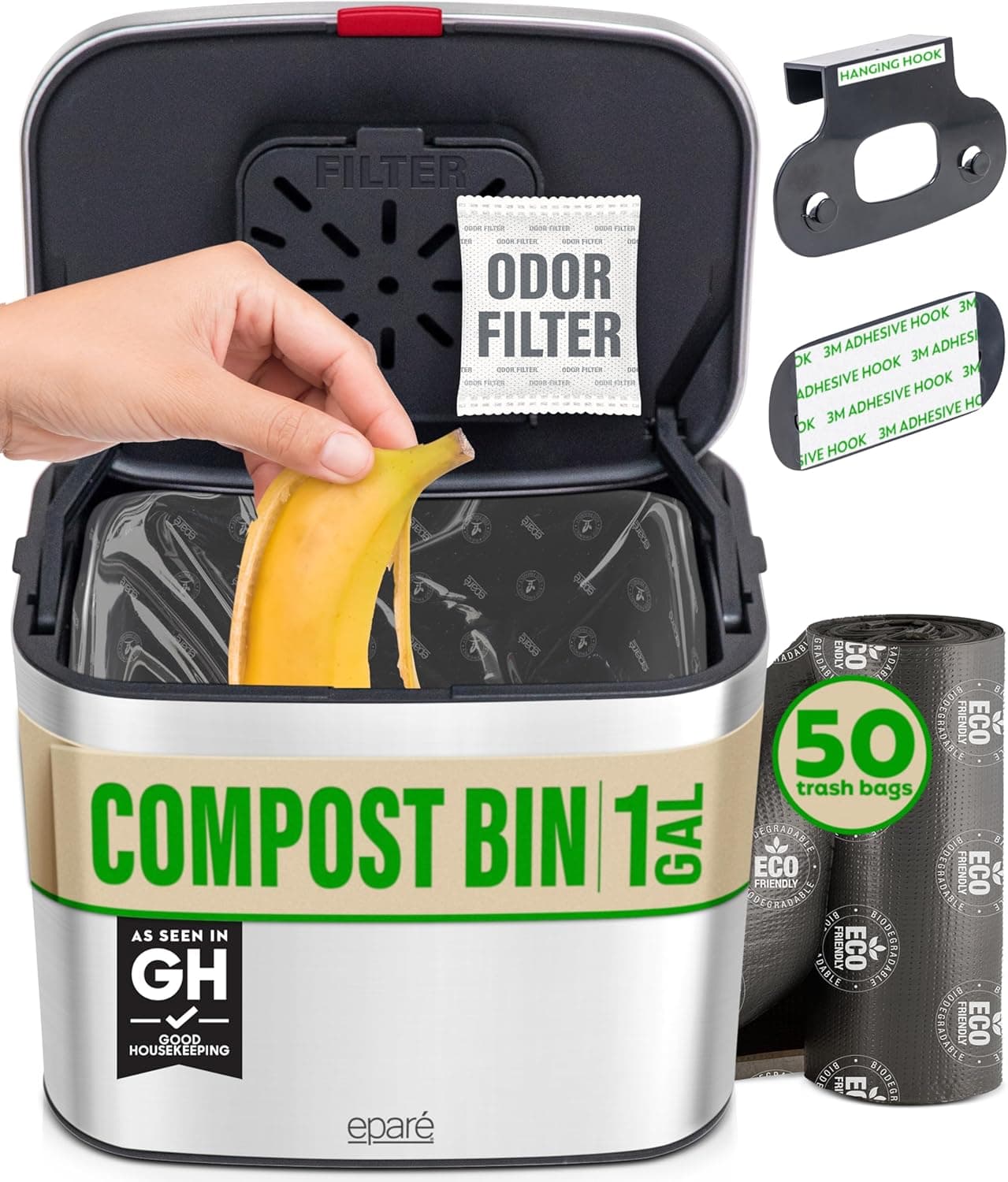
+ 50 Bags are included, covering weeks of daily use
From our guide: Best Compost Bins for Apartments
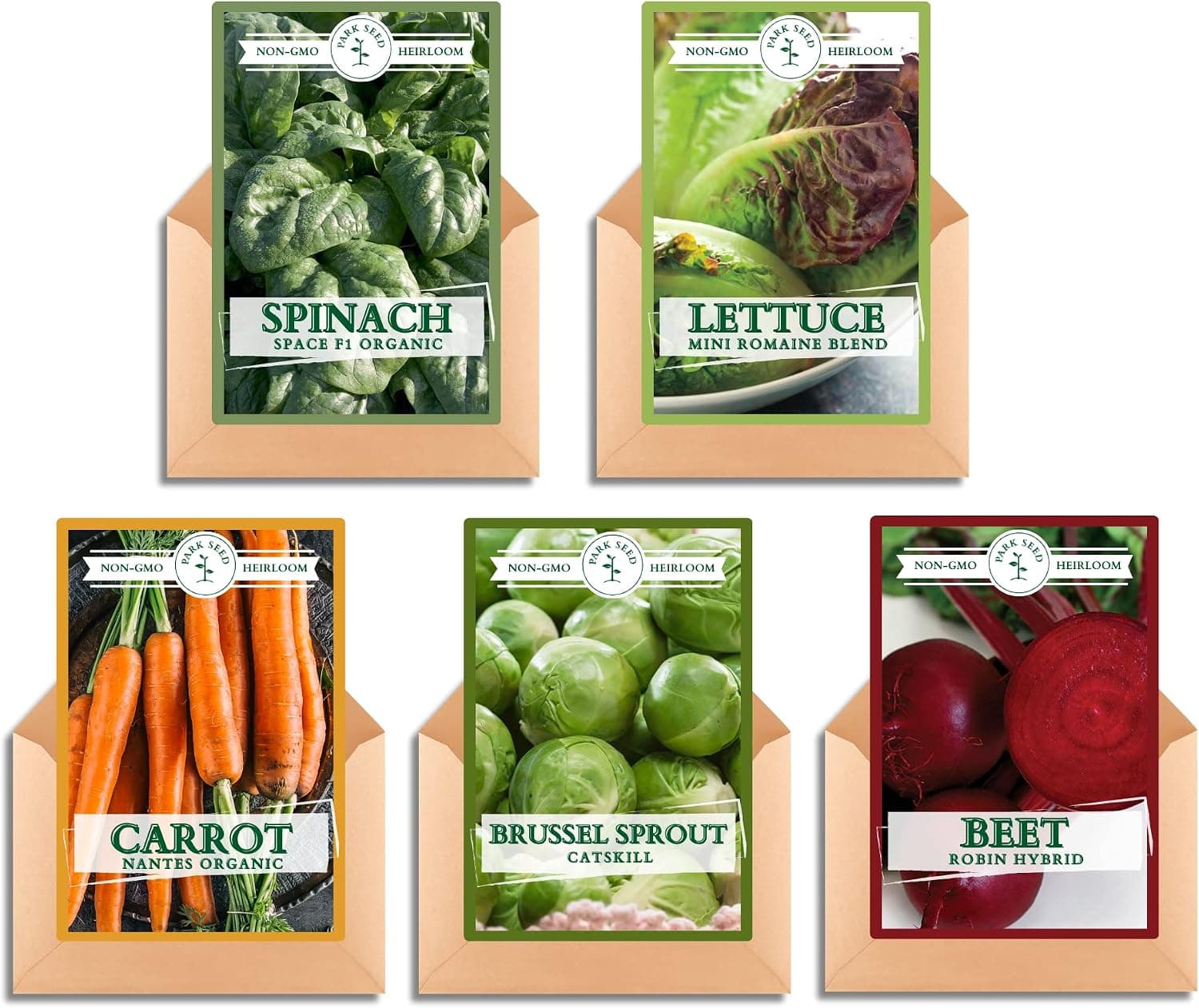
+ Compact varieties are chosen specifically for container growing
From our guide: Best Vegetable Seeds for Containers
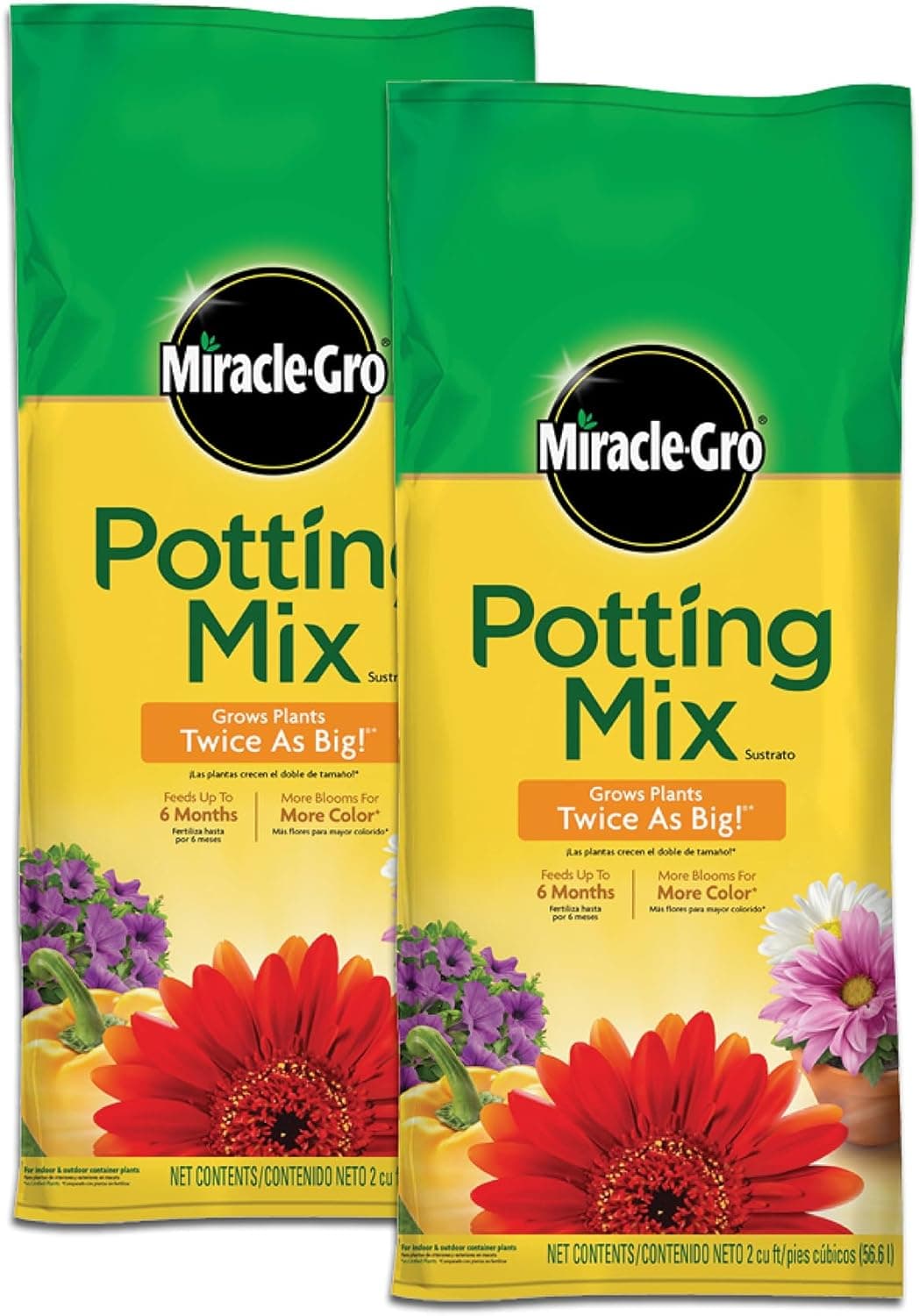
+ 2 cu. ft. bags fill big containers and elevated beds at once
From our guide: Best Potting Soil
+ Carbon Filters in the lid help reduce smells
From our guide: Best Compost Bins for Apartments
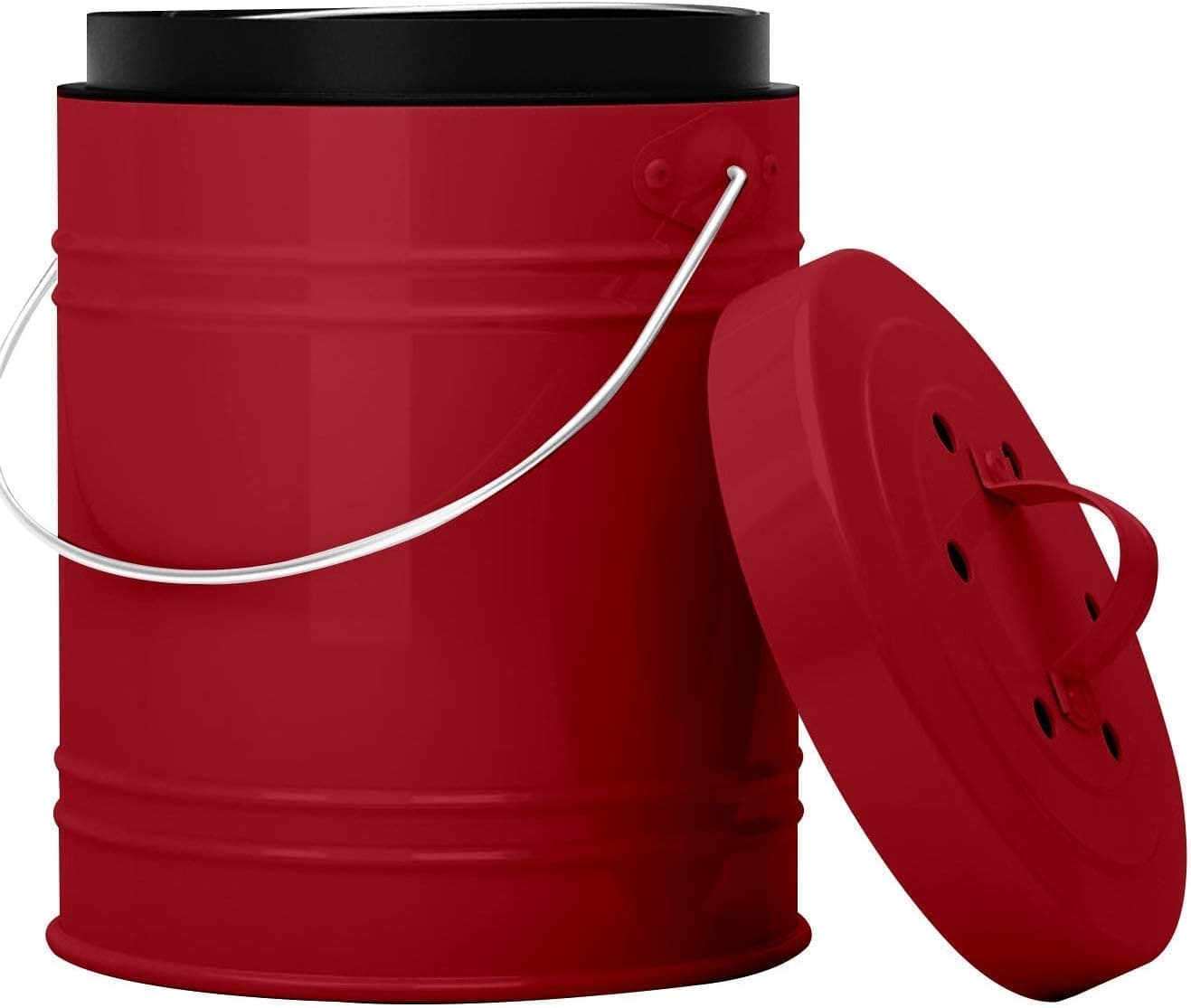
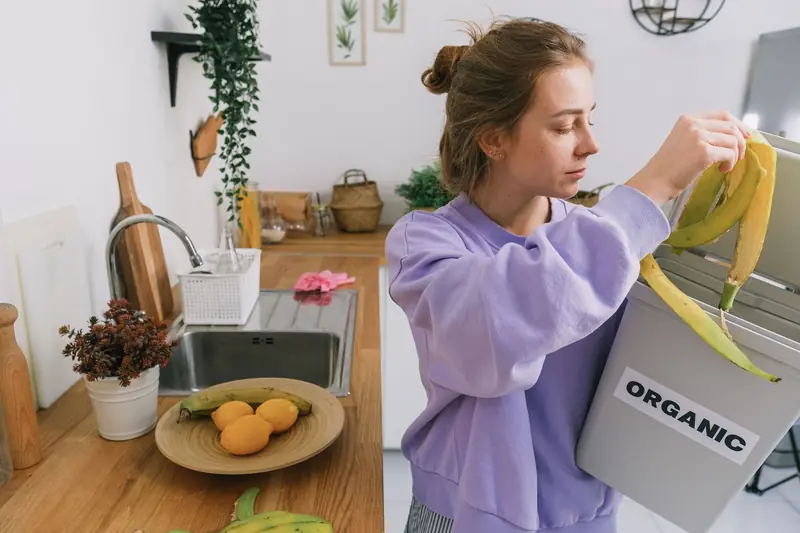
The challenge on a balcony is that a traditional open compost heap is out of the question, being too large, too slow, and prone to smell and pests in a confined shared space. The solution is to choose a method designed for small, enclosed spaces, of which there are several good ones. The two best suited to balconies and apartments are worm composting, known as vermicomposting, and bokashi fermentation. Both are compact, largely odourless when run correctly, and capable of processing a household's kitchen waste without needing a garden.
Worm composting uses a contained bin of composting worms to eat through your fruit and vegetable scraps, turning them into a dark, crumbly, nutrient-rich material that plants love. A worm bin is compact enough to tuck into a corner of the balcony or even sit under a kitchen counter, and when properly maintained it does not smell. You feed the worms your scraps, keep the bedding moist but not wet, and in a matter of weeks they produce both a solid compost and a liquid that can be diluted and used as a feed. The worms do need protecting from extreme heat and cold, so a sheltered spot matters.
Bokashi is a different approach that ferments waste rather than rotting it, using a sealed bucket and a bran inoculated with helpful microbes. Because it is anaerobic and sealed, bokashi can take material that ordinary composting cannot, including cooked food, small amounts of dairy, and meat scraps, all in a completely enclosed container with no exposure to pests. After a couple of weeks of fermentation the pre-composted result is buried in a pot of soil to finish breaking down, or mixed into container soil to enrich it. The sealed bucket makes it ideal for indoor or balcony use.
Whichever method you choose, a few simple habits keep it working sweetly and smell-free. Balance is the key: mix wet, green food scraps with drier material, avoid overloading the system faster than it can process, and keep the moisture level right for the method. Chopping scraps smaller speeds things along. For worm bins, avoid too much acidic or salty food; for bokashi, keep the bucket sealed and drain off the liquid regularly. Done properly, neither method attracts flies or produces the sour smell people fear, which is what makes them suitable for living spaces.
The reward for a little effort is a closed loop that benefits both your plants and your household. You cut the waste going into your bin, and in return you gain a steady supply of compost and liquid feed to keep your containers fertile without buying bags of it. Worked into the top of your pots or diluted as a drink for hungry plants, homemade compost restores the nutrients that container growing steadily drains away. For a balcony gardener trying to keep a small, intensive space productive, small-space composting is one of the most satisfying and useful skills to learn.
Popular right now
- Watering Container Plants Correctly on a BalconyArticle
- Best Tomato PlantersBuying guide
- Best Hydroponic Growing Kits for BalconiesBuying guide
- Best Organic FertilizerBuying guide
- Best Plant Support StakesBuying guide
- Why Container Tomatoes Flower but Do Not Set FruitArticle
Based on the last 28 days of search and visitor data.