Understanding Balcony Sun Exposure and How to Use It
Published How we research
Light is the single biggest factor deciding what will grow on your balcony, and it is also the one most people misjudge. Before choosing plants, you need to know how much direct sun your space actually receives, because a plant sold as full sun will sulk and stretch in a shady corner no matter how well you water it. The good news is that reading your balcony's light takes only a little patient observation, and once you understand it you can choose plants that genuinely suit the conditions rather than fighting them.
Products from this article
The highest-scoring picks from the buying guides this article links to. Scores are our editorial assessment, not customer ratings.
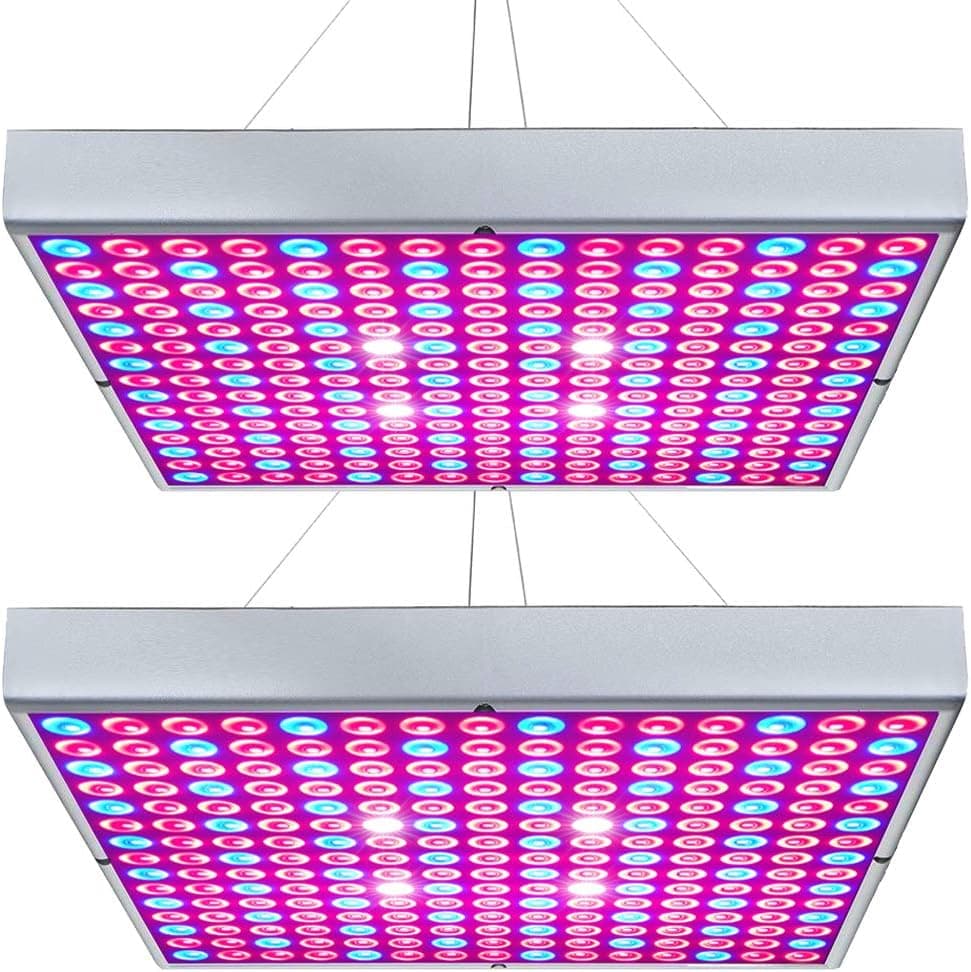
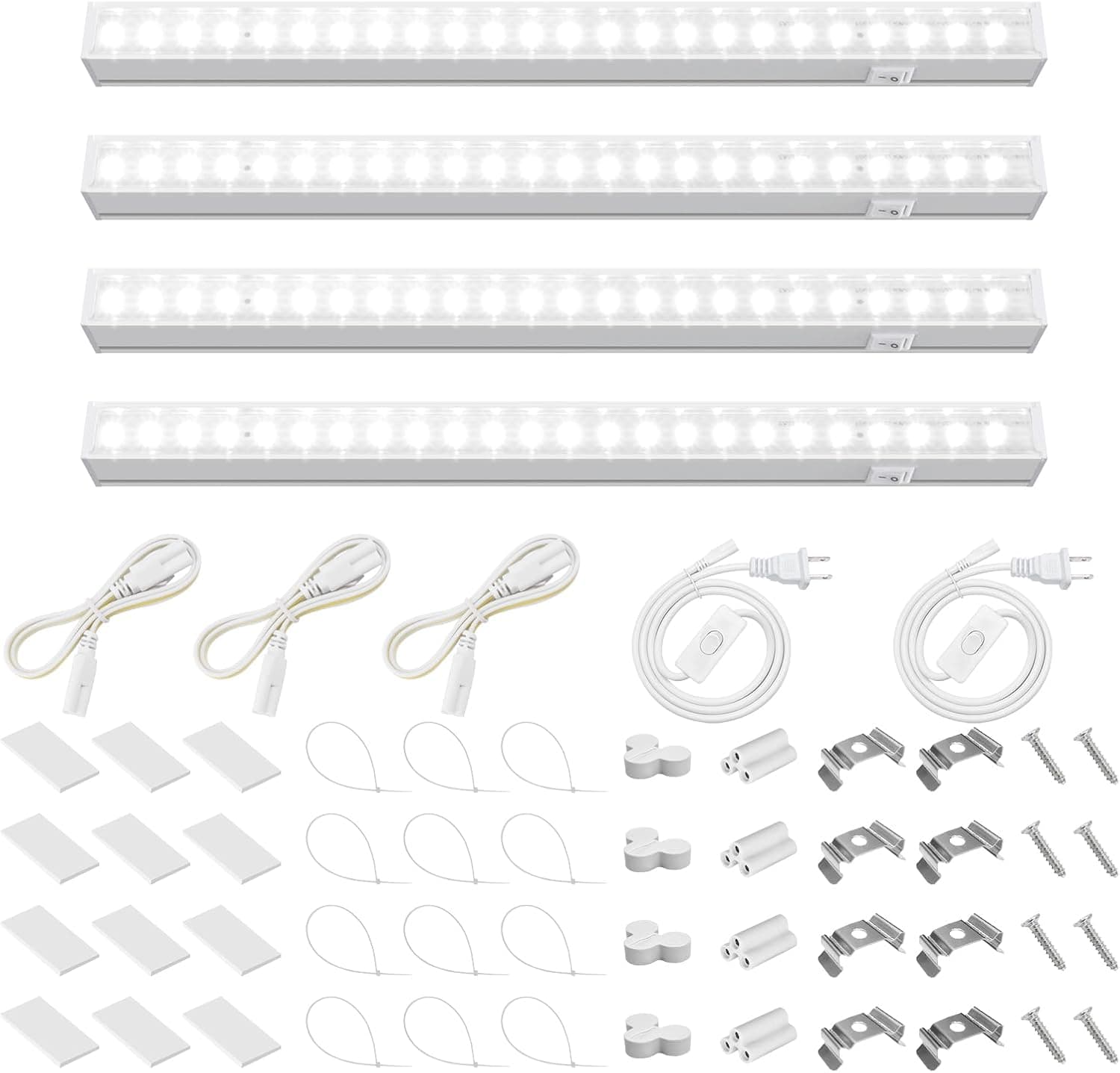
+ Linkable strips suit multi-shelf seedling racks
From our guide: Best Grow Lights for Indoor Plants
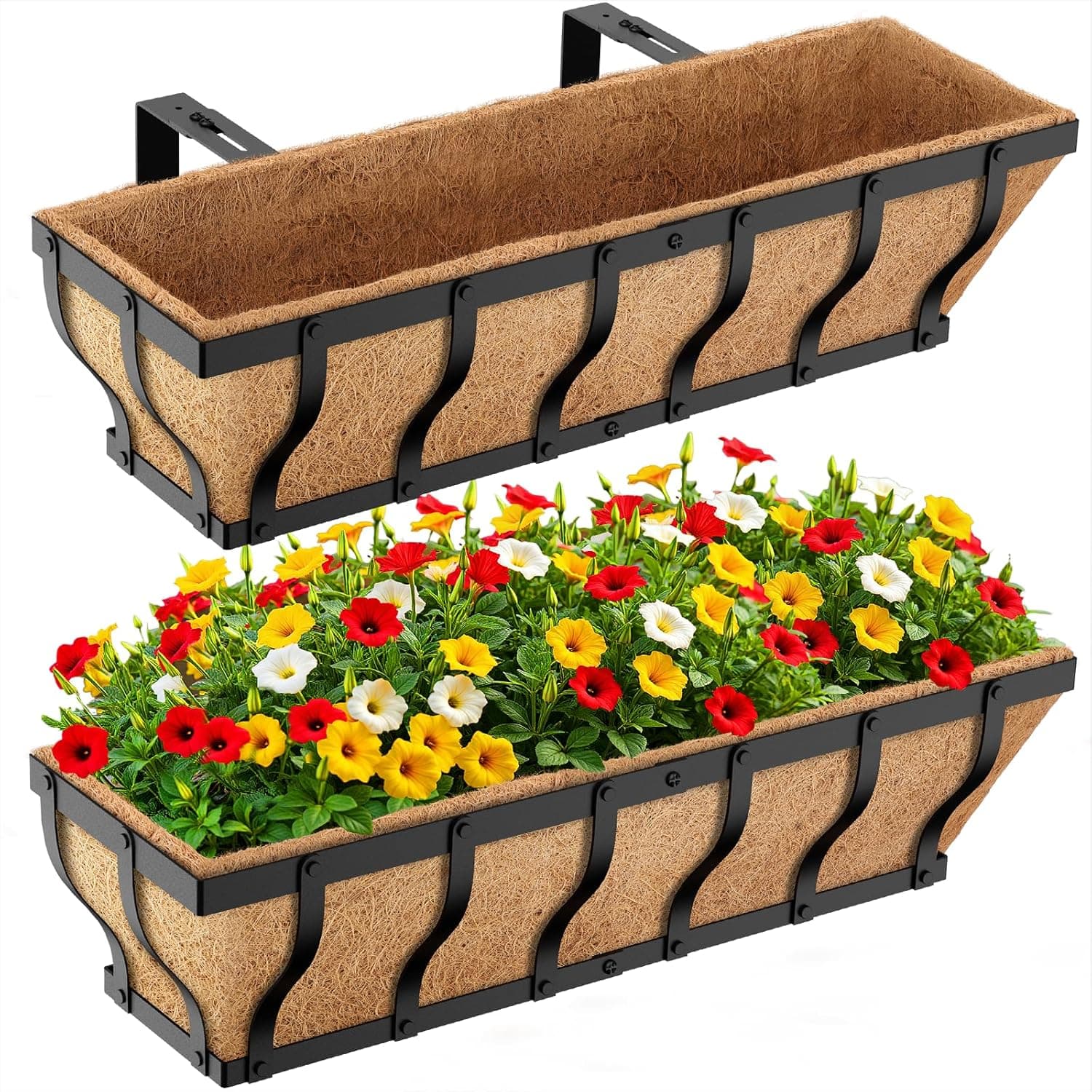
+ Heavy Duty build holds wet soil securely on the railing
From our guide: Best Window Boxes
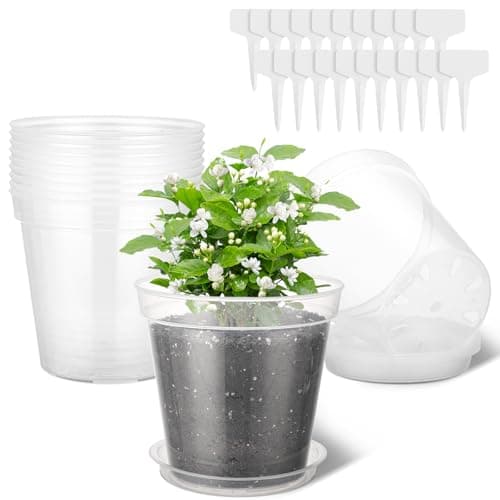
+ Twelve 7 inch pots with saucers come in one pack, and 20 waterproof plant labels are included.
From our guide: Best Plastic Plant Pots
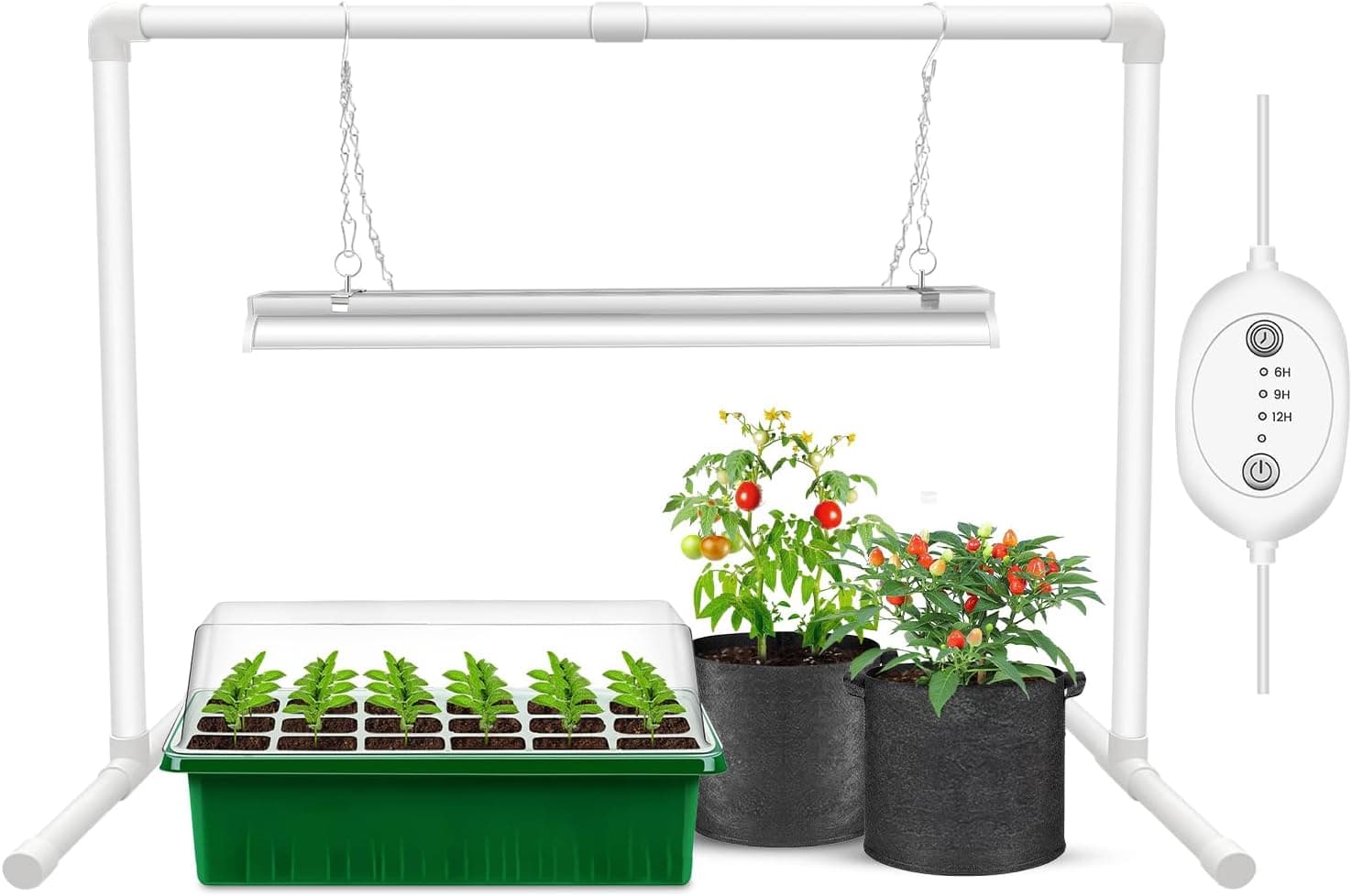
+ Included stand means no hanging hardware or shelf needed
From our guide: Best Grow Lights for Indoor Plants
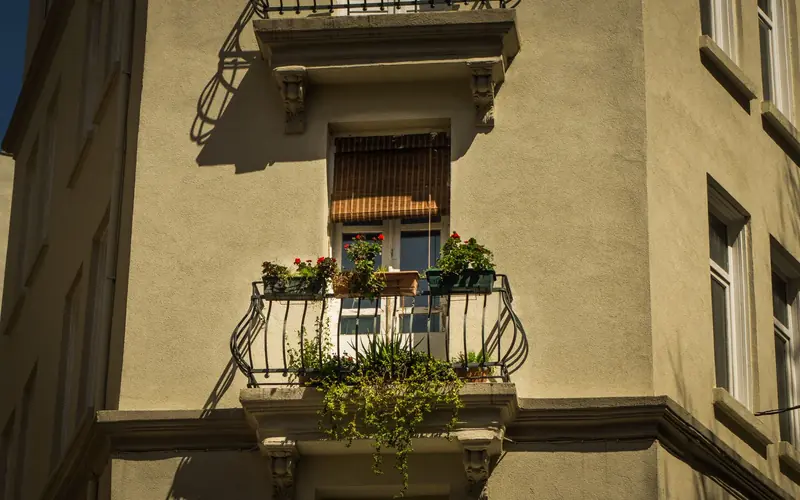
The direction your balcony faces sets the baseline. A south-facing balcony in the northern hemisphere gets the most sun, often bright and hot through the middle of the day, which suits sun-loving crops but can scorch delicate plants. North-facing spaces receive little or no direct sun and stay cooler, better for shade-tolerant foliage than for fruiting vegetables. East-facing balconies catch gentle morning light, while west-facing ones get stronger afternoon and evening sun. Knowing your aspect gives you a starting expectation, though it is only ever a rough guide.
Aspect alone does not tell the whole story, because balconies are rarely open to the sky. Neighbouring buildings, trees, overhanging balconies above you, and even the depth of your own ceiling all cast shade that changes through the day. A south-facing balcony tucked under a deep overhang may get far less usable light than the direction suggests. The only reliable way to know is to watch. Over a clear day, check the balcony every couple of hours and note where the sun falls and for how long, mapping the bright and shaded zones.
Most plant labels describe light needs in broad categories, and it helps to translate these into hours. Full sun generally means six or more hours of direct light a day, partial sun or partial shade means roughly three to six hours, and full shade means less than three. Count only genuine direct sun, not bright ambient light, since a spot that feels light to your eye may still be too dim for a tomato. Matching the hours you actually measured to these categories keeps your expectations realistic.
Remember that light shifts with the seasons as well as the hours of the day. The sun sits higher in summer and lower in winter, so a balcony flooded with light in July may fall into shade for much of a December afternoon, while a spot shaded by a tree may brighten once the leaves drop. If you plan to grow year-round, observe your space across seasons rather than judging it from a single sunny week, and expect the productive zones to move as the months pass.
Once you know your light, you can work with it instead of against it. Reserve the brightest spots for the hungriest sun-lovers like tomatoes, peppers, and many herbs, and fill shadier corners with leafy greens, ferns, and foliage plants that prefer gentler conditions. You can nudge the balance too, using pale walls or a mirror to bounce light into dim corners, or shade cloth to soften fierce afternoon heat. Reading your sun exposure honestly, then choosing plants to match, is the surest path to a balcony that thrives rather than merely survives.
Popular right now
- Watering Container Plants Correctly on a BalconyArticle
- Best Tomato PlantersBuying guide
- Best Hydroponic Growing Kits for BalconiesBuying guide
- Best Organic FertilizerBuying guide
- Best Plant Support StakesBuying guide
- Why Container Tomatoes Flower but Do Not Set FruitArticle
Based on the last 28 days of search and visitor data.