Vegetables for Container Growing
Published How we research
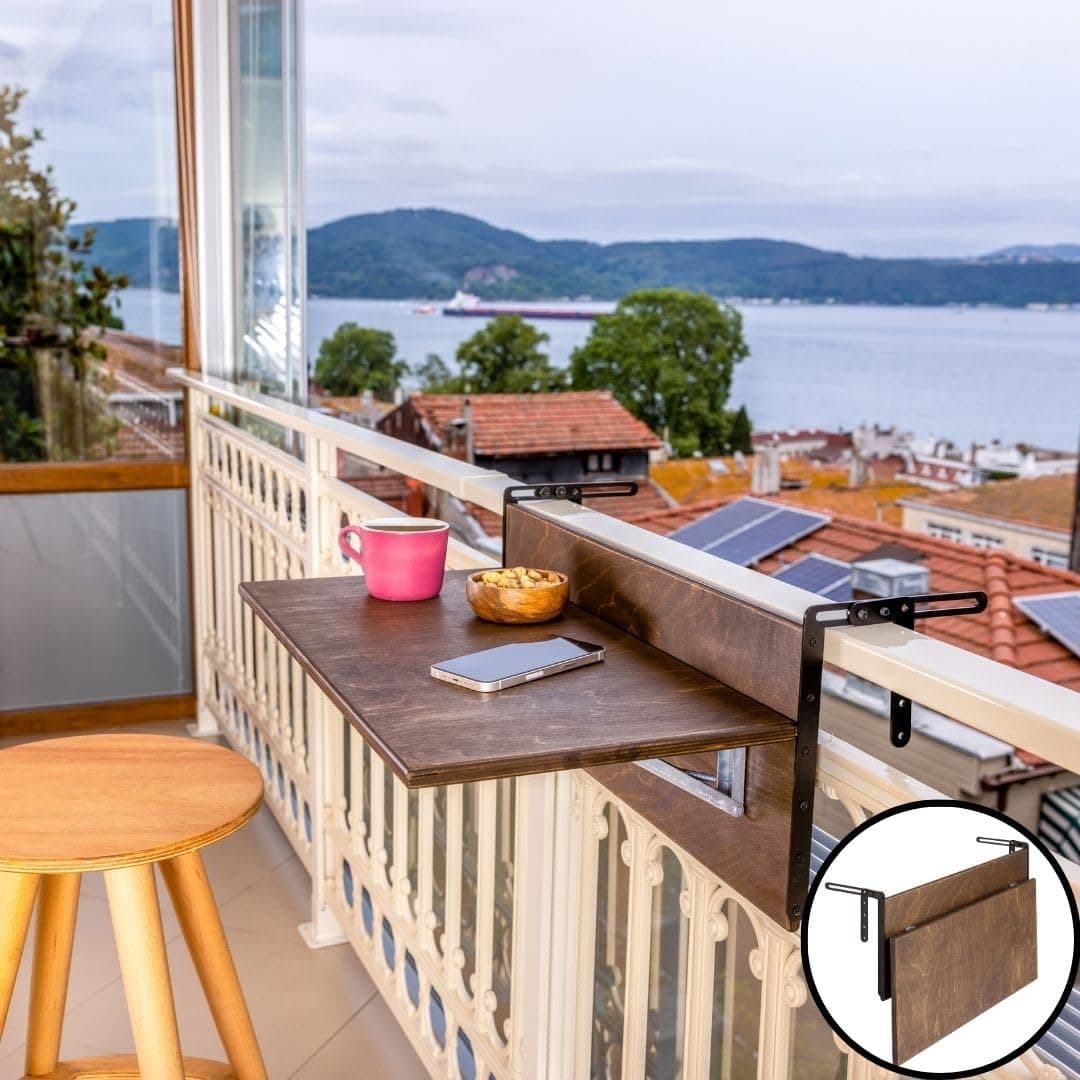
Not every vegetable is happy in a pot, but a surprising number are, and choosing the right ones is the difference between a thriving balcony and a row of disappointments. The best container crops share a few traits: compact root systems, a willingness to grow in a confined space, and a decent return for the room they take up. Once you understand what a plant needs from its container, you can build a productive little garden even on a narrow ledge, growing food that tastes far fresher than anything from a shop.
Products from this article
The highest-scoring picks from the buying guides this article links to. Scores are our editorial assessment, not customer ratings.
+ Walnut wood finish looks warm against metal railings
From our guide: Best Balcony Bar Tables
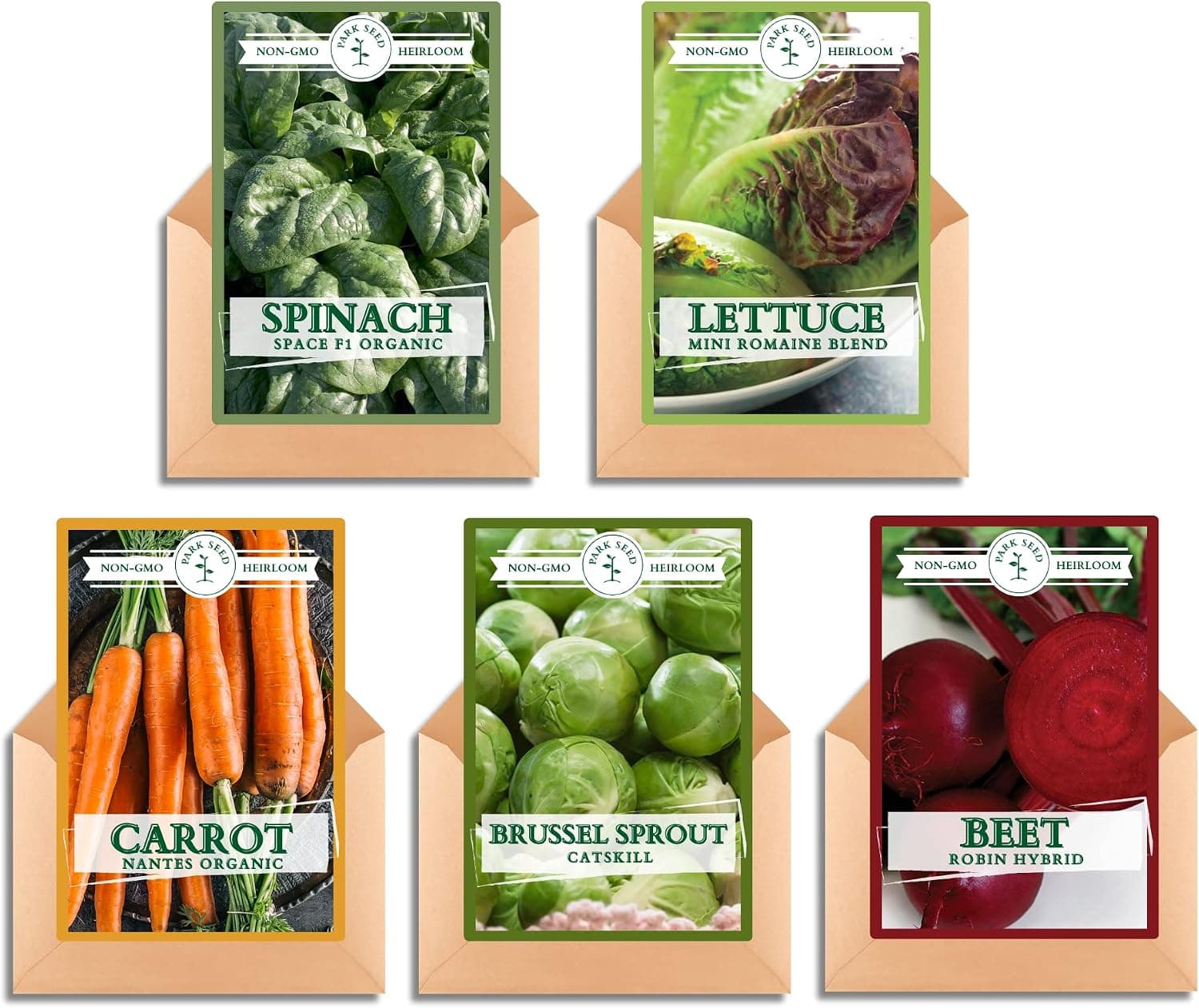
+ Compact varieties are chosen specifically for container growing
From our guide: Best Vegetable Seeds for Containers
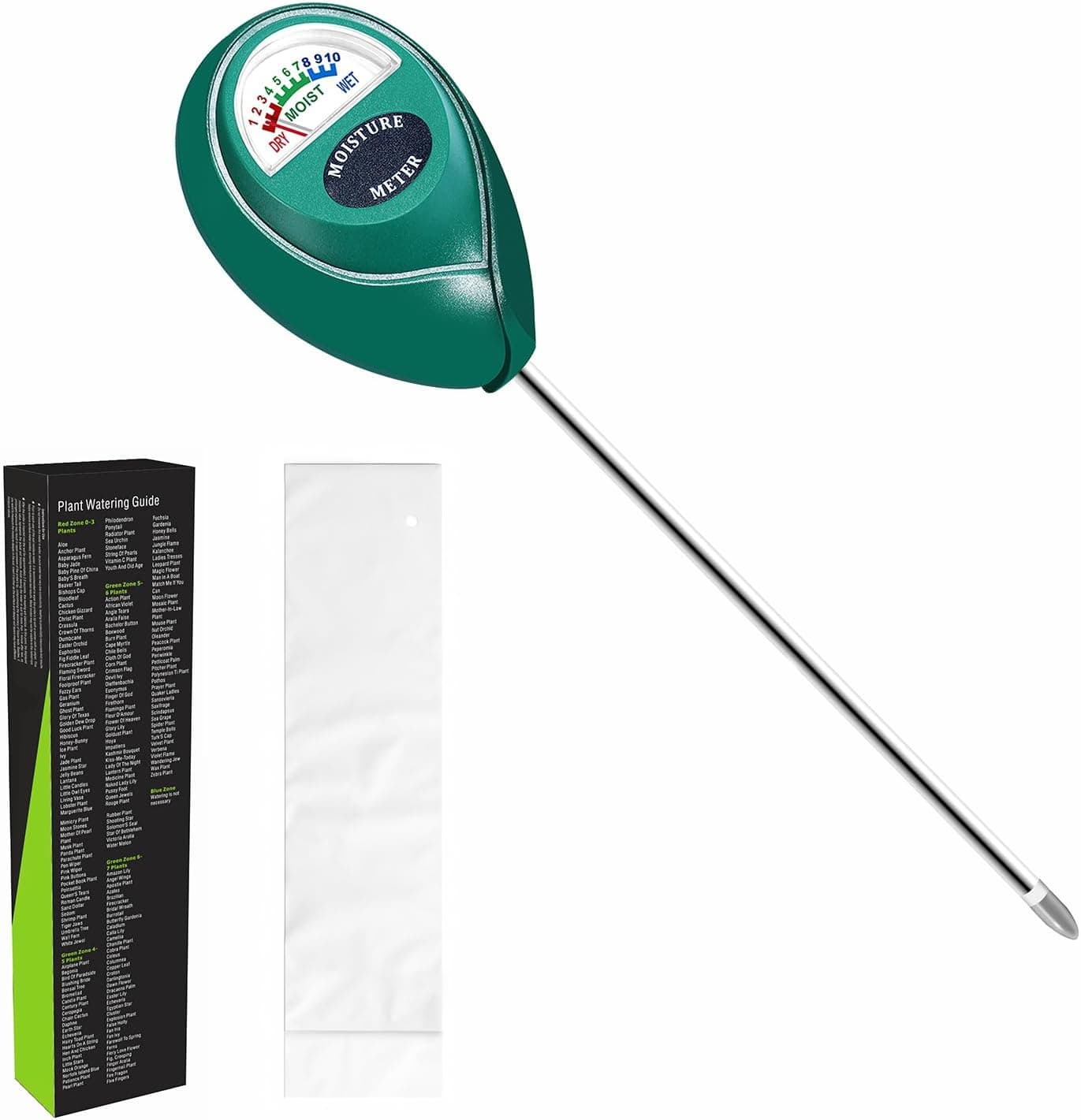
+ 304 Stainless Steel probe resists rust from damp soil
From our guide: Best Moisture Meters
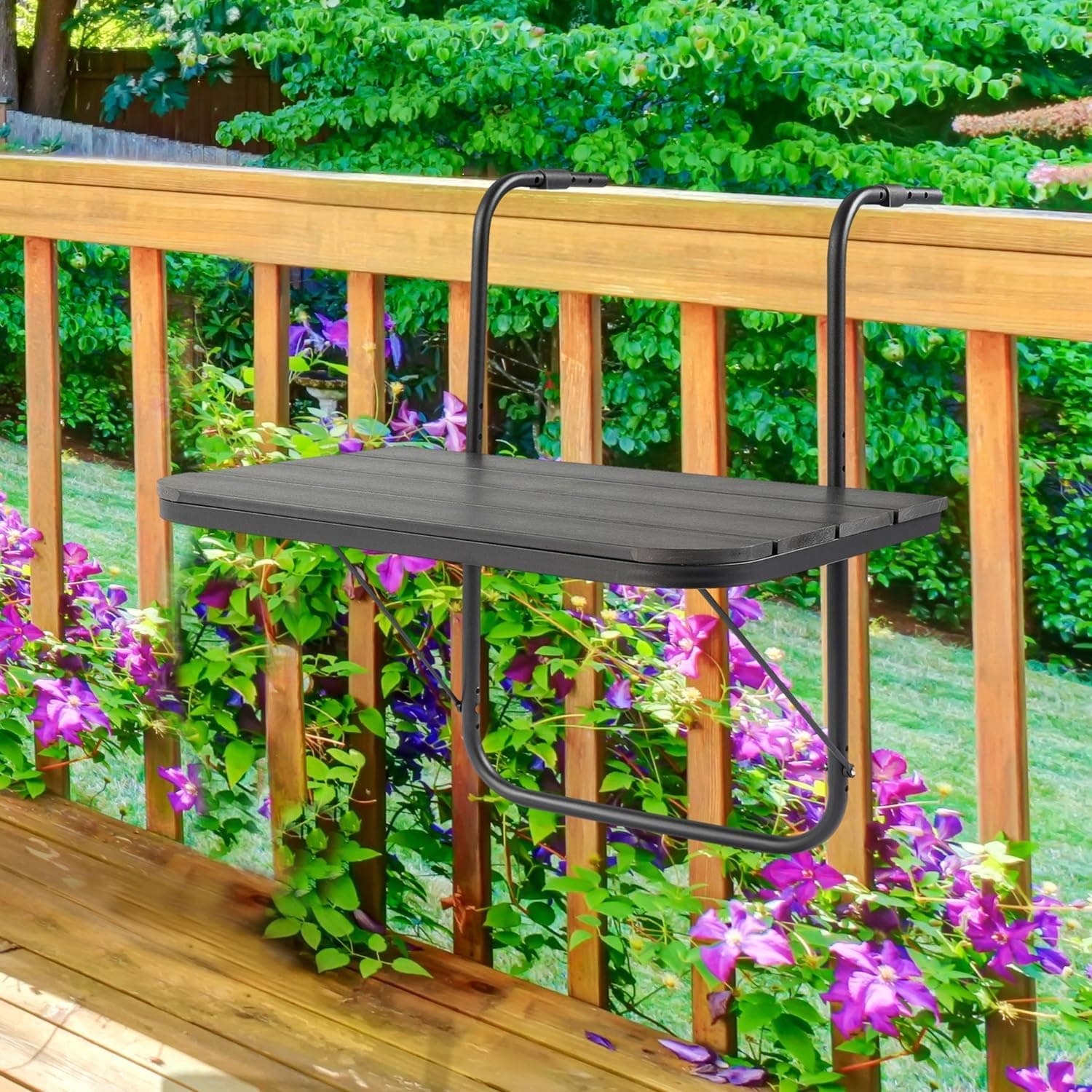
+ Aluminium build is light and resists rust outdoors
From our guide: Best Balcony Bar Tables
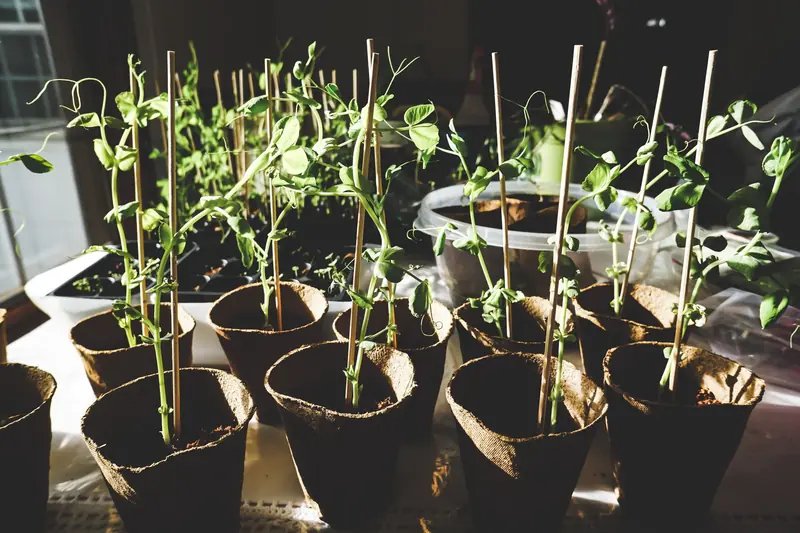
Leafy greens are the easiest starting point and the most forgiving of small spaces. Lettuce, spinach, rocket, chard, and kale all grow well in shallow containers because their roots stay near the surface. Better still, you can harvest many of them a few leaves at a time, cutting the outer growth and letting the plant keep producing for weeks. Greens also tolerate partial shade, which makes them ideal for balconies that get only a few hours of direct sun. Sow small batches every couple of weeks and you will always have something ready to pick.
Fruiting vegetables need more sun, more root room, and more attention, but they reward the effort. Tomatoes are the classic balcony crop, and compact bush or trailing varieties suit pots far better than tall vining types that demand heavy staking. Peppers and chillies also do well in containers and actually appreciate the warmth a sheltered balcony traps. All of these need the sunniest position you can offer, at least six hours a day, plus a large container so the roots do not overheat or dry out too fast. Feed them regularly once they start to flower and set fruit.
Root vegetables are possible but require the right shape of container. Radishes are quick and easy, ready in weeks and happy in a modest pot. Carrots and beetroot need deeper containers so the roots can develop without hitting a hard bottom, so look for pots at least the depth of a bucket. Choose shorter, rounder varieties bred for containers rather than long main-crop types that need deep open ground. Loose, stone-free potting mix helps roots grow straight and unblemished.
Beans and peas make excellent use of vertical space, which is often the most abundant resource on a balcony. Dwarf French beans grow neatly in a pot without support, while climbing beans and peas will scramble happily up a small trellis or a few canes, turning a bare wall into a productive green screen. Because they climb, they give you a good yield from a small footprint, and their flowers add colour before the pods appear. Keep the soil consistently moist while pods are forming for the best crop.
Whatever you grow, the two habits that matter most in containers are watering and feeding. Pots hold a limited reserve of moisture and nutrients, so plants depend on you far more than they would in the ground. Check the soil daily in warm weather, water before plants wilt rather than after, and start a regular liquid feed once crops are established. Group plants with similar needs together, give each one a container that matches its roots, and you will be able to harvest something useful from even the smallest balcony throughout the season.
Popular right now
- Watering Container Plants Correctly on a BalconyArticle
- Best Tomato PlantersBuying guide
- Best Hydroponic Growing Kits for BalconiesBuying guide
- Best Organic FertilizerBuying guide
- Best Plant Support StakesBuying guide
- Why Container Tomatoes Flower but Do Not Set FruitArticle
Based on the last 28 days of search and visitor data.