Vertical Gardening on a Small Balcony
Published How we research
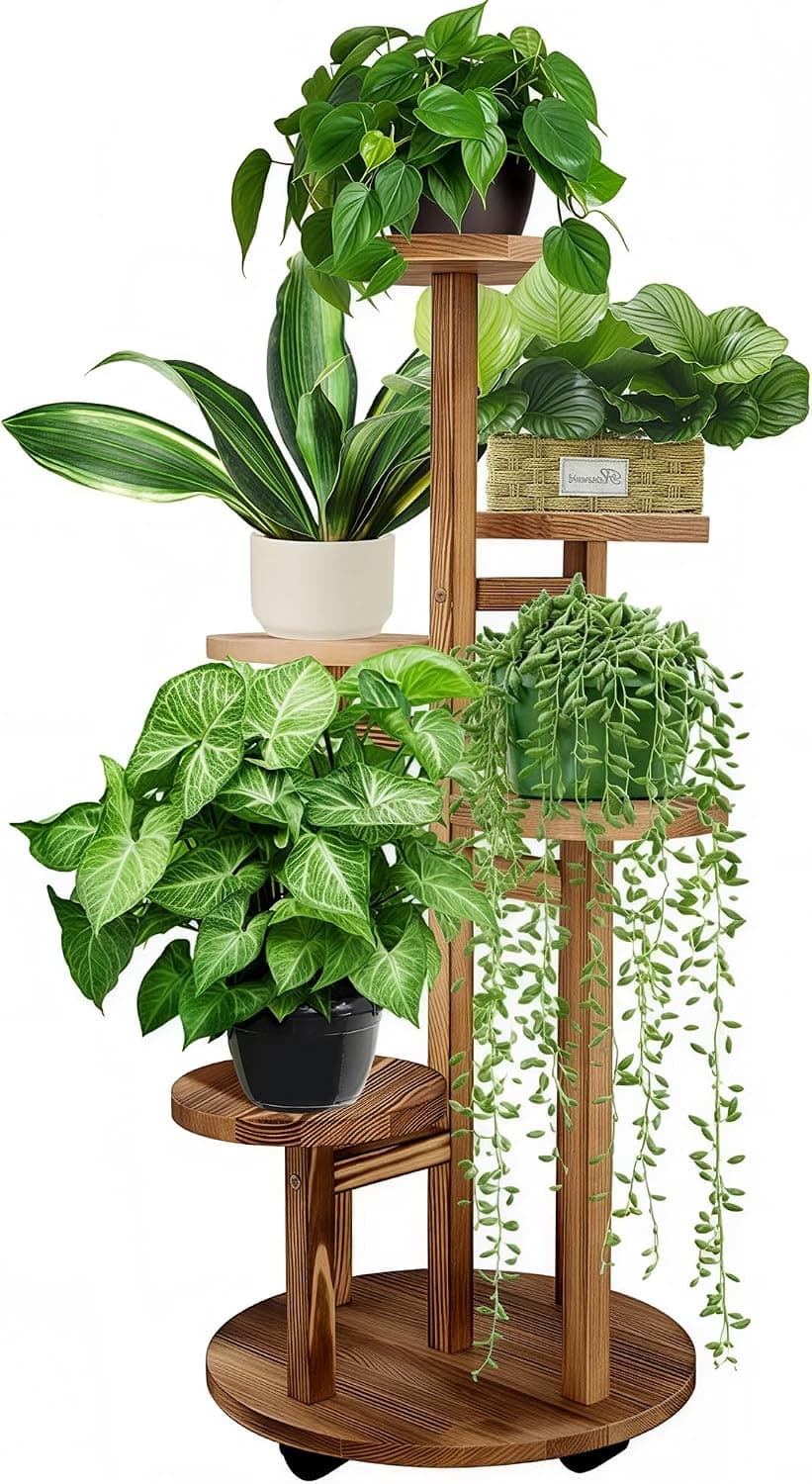
When floor space runs out, the only direction left is up, and that is exactly where a small balcony hides most of its potential. Vertical gardening treats walls, railings, and the air above your pots as growing space, letting you fit far more greenery into a tight footprint. It is the single most effective strategy for anyone frustrated by a balcony that feels too small to garden, and with a little planning it turns bare vertical surfaces into a living wall of foliage, flowers, and food.
Products from this article
The highest-scoring picks from the buying guides this article links to. Scores are our editorial assessment, not customer ratings.
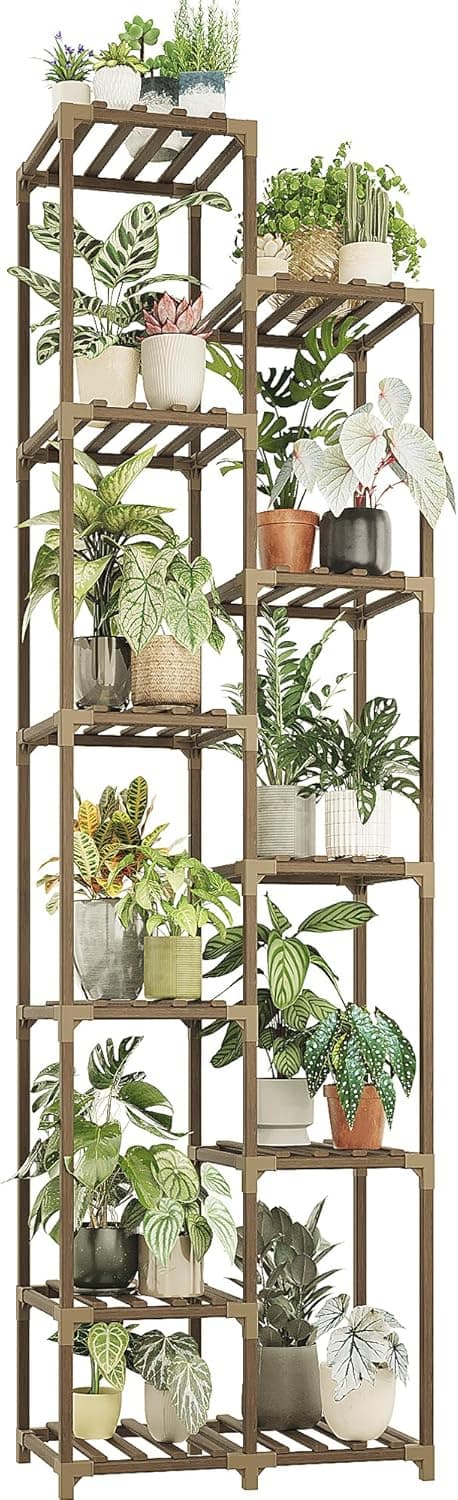
+ 11-Tier design holds the largest number of pots in this guide
From our guide: Best Tiered Plant Shelves
+ Patented watering system: fill the top reservoir to the 5 tier mark and every tier below gets watered
From our guide: Best Vertical Garden Planters for Balconies
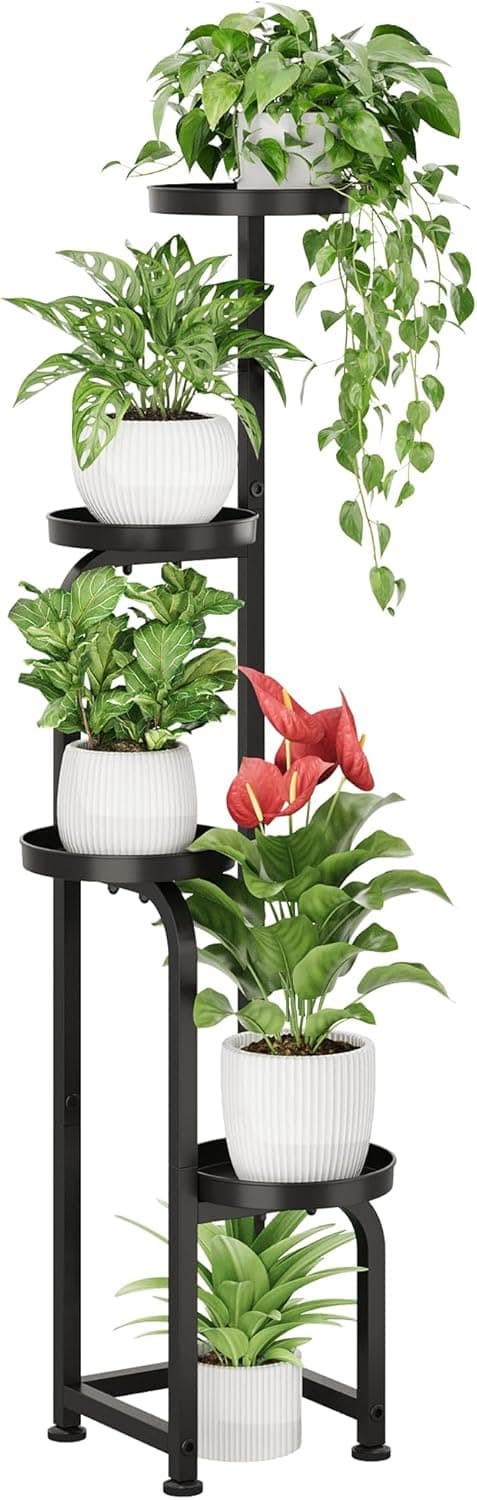
+ Heavy Duty metal frame supports larger potted plants
From our guide: Best Plant Stands for Balconies
+ 5 Tiered layout fits many pots into a single unused corner
From our guide: Best Tiered Plant Shelves
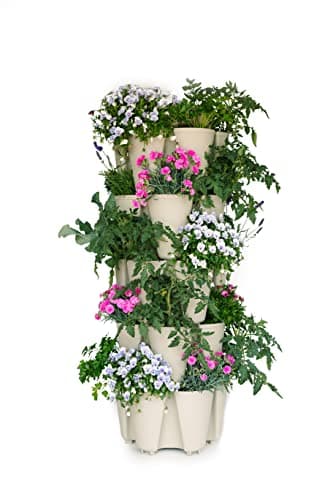
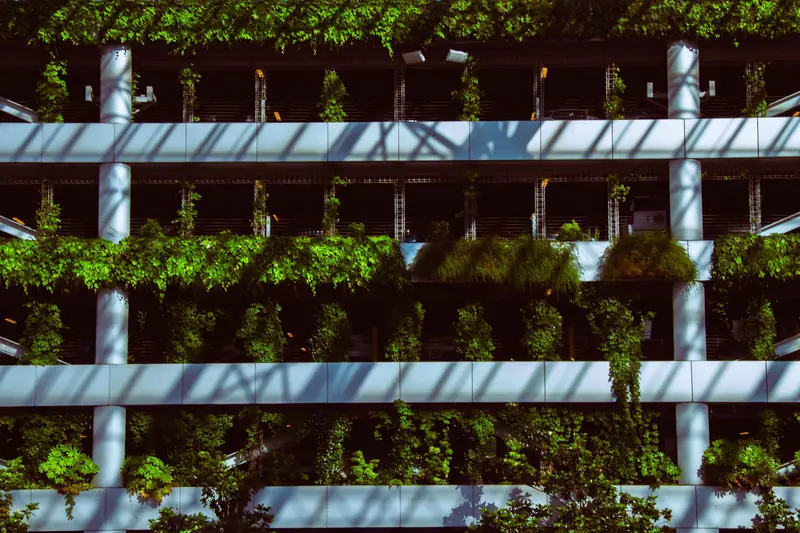
The simplest place to start is the railing, which almost every balcony has and few people use. Railing planters that hook over the top rail add a whole row of growing space without touching the floor, and they suit trailing herbs, salad leaves, and cascading flowers beautifully. Make sure any rail-mounted container is secured against wind and, if you are above other people, fitted so it cannot slip or be knocked outward. Positioned on the inside of the railing, these planters also give you a little extra privacy while freeing the floor for larger pots.
Walls open up even more room once you start thinking of them as vertical beds. Wall-mounted pockets, modular planting panels, and rows of small pots on brackets can green an entire blank wall. Fabric pocket planters are light and easy to hang, making them a favourite for herbs and compact greens, while sturdier mounted pots suit heavier plants. Whatever system you choose, check that your wall can take the fixings and remember that plants high on a wall dry out faster, so plan for easy watering from the top down.
Trellises and other climbing supports let plants do the vertical work themselves. A trellis leaned against a wall or fixed to a large pot gives climbing beans, peas, cucumbers, and flowering vines something to scramble up, turning a single container into a tall column of growth. Vertical crops like these give a generous yield from a very small floor area, and the screen of leaves they create also softens harsh light and adds welcome privacy. Guide young stems onto the support at first and they will soon take over on their own.
Tiered stands and shelving make vertical use of freestanding space without any drilling, which is ideal for renters. A stepped plant stand or a simple set of shelves lets you stack pots in layers, keeping sun-lovers on the top tiers and shade-tolerant plants below. Arrange the tiers so that taller plants do not cast unwanted shade on those beneath them, and keep heavier pots on lower, stabler shelves. This approach is flexible and portable, so you can rearrange the whole display as the seasons and the light change.
Vertical gardening does bring two practical demands you should plan for from the start: watering and weight. Plants raised on walls and upper tiers dry out quickly and can be awkward to reach, so consider drip lines, self-watering pockets, or simply grouping the thirstiest plants where you can tend them easily. Keep the heaviest containers low and close to supporting walls, and confirm that hooks, brackets, and rails are rated for wet, full pots. Handle those two issues well and going vertical will transform even the most cramped balcony into a garden that feels far larger than its floor.
Popular right now
- Watering Container Plants Correctly on a BalconyArticle
- Best Tomato PlantersBuying guide
- Best Hydroponic Growing Kits for BalconiesBuying guide
- Best Organic FertilizerBuying guide
- Best Plant Support StakesBuying guide
- Why Container Tomatoes Flower but Do Not Set FruitArticle
Based on the last 28 days of search and visitor data.