Watering Container Plants While Away
Published How we research
The fastest way to lose a balcony garden is to leave for a week in summer without a plan. Containers dry out far quicker than garden beds, and a sunny balcony can bake a small pot dry in a single afternoon. The good news is that a little preparation buys most gardens several days, and a few inexpensive systems can carry them much longer.
Products from this article
The highest-scoring picks from the buying guides this article links to. Scores are our editorial assessment, not customer ratings.
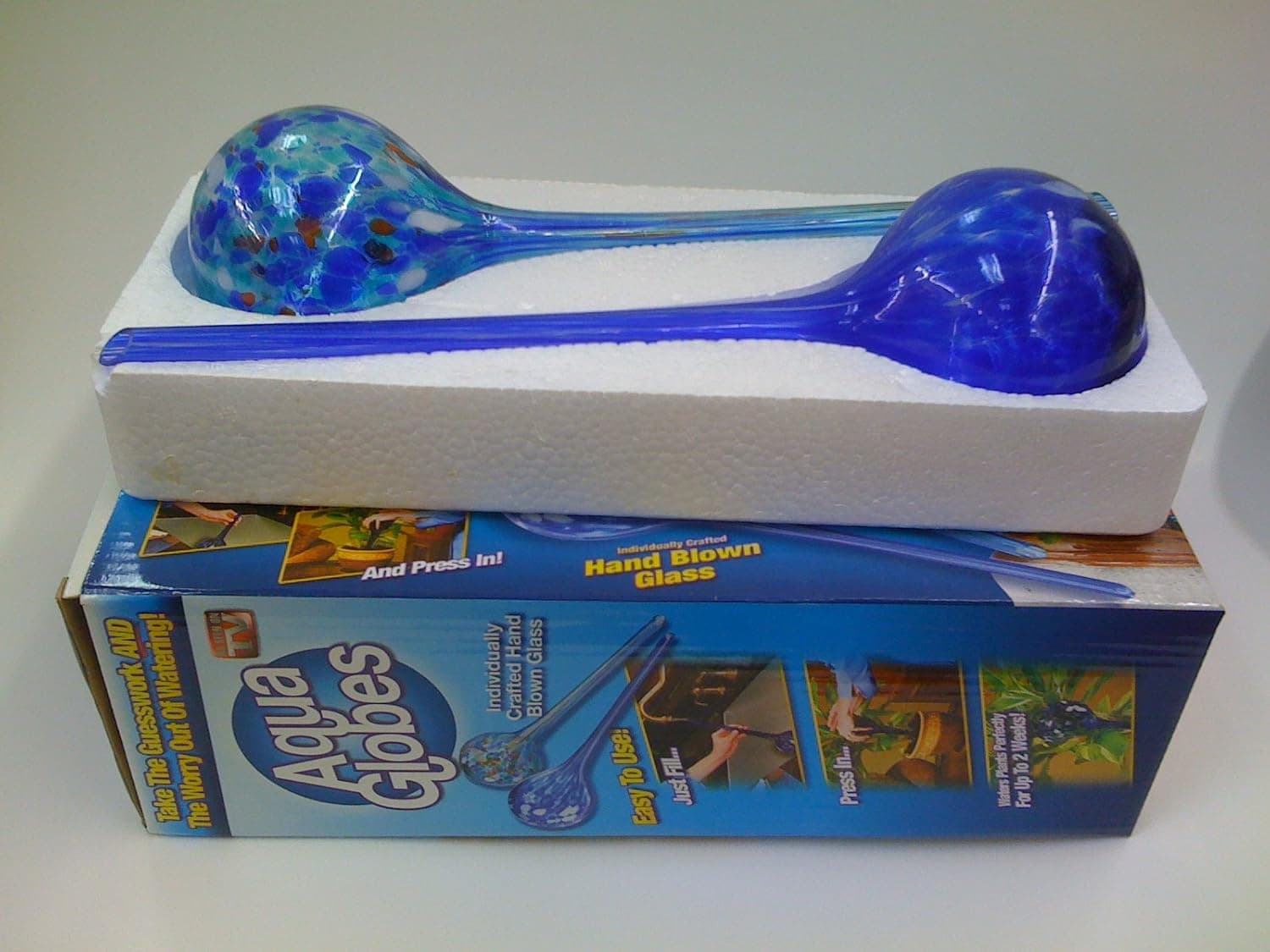
+ Two sizes let you match globes to small and large pots
From our guide: Best Watering Globes
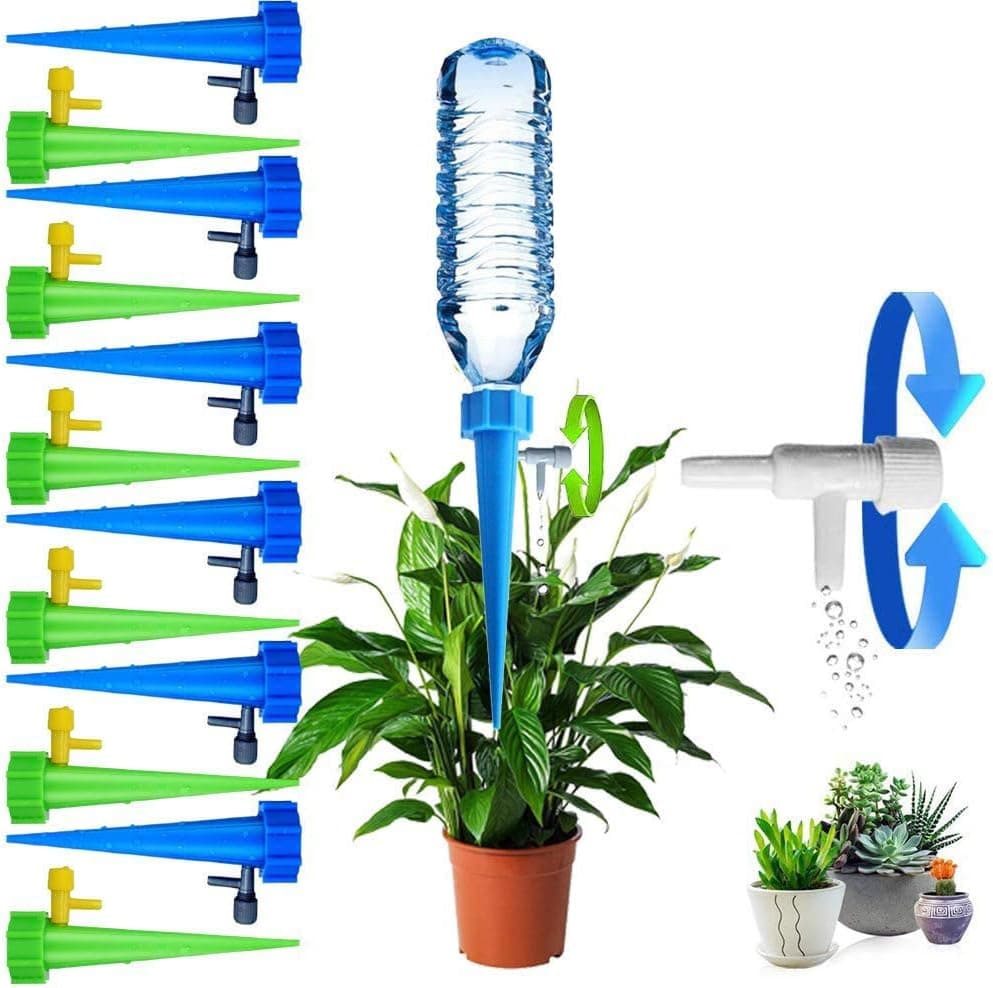
+ 12 Pack covers a full balcony of containers during a trip away
From our guide: Best Watering Spikes
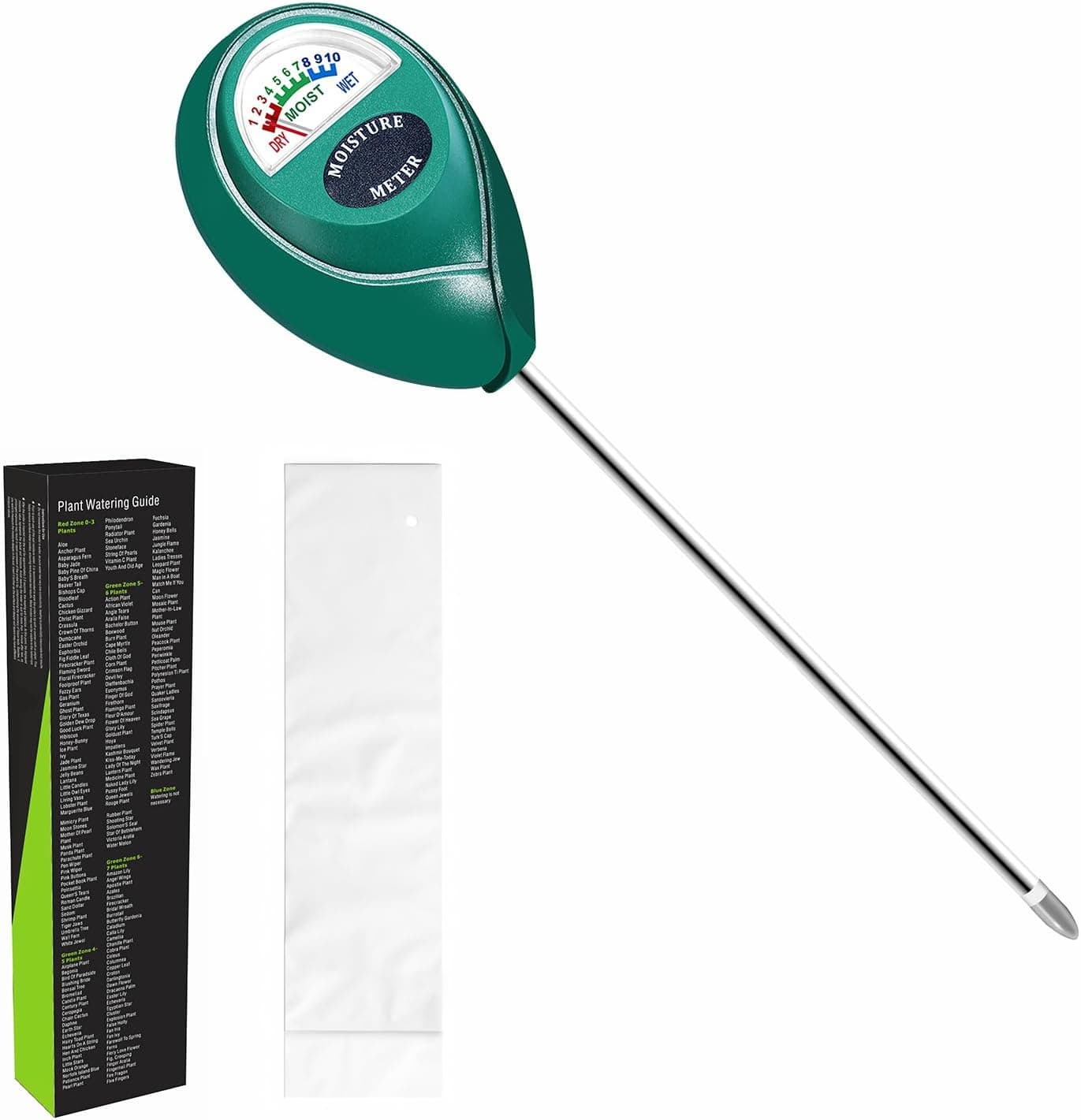
+ 304 Stainless Steel probe resists rust from damp soil
From our guide: Best Moisture Meters
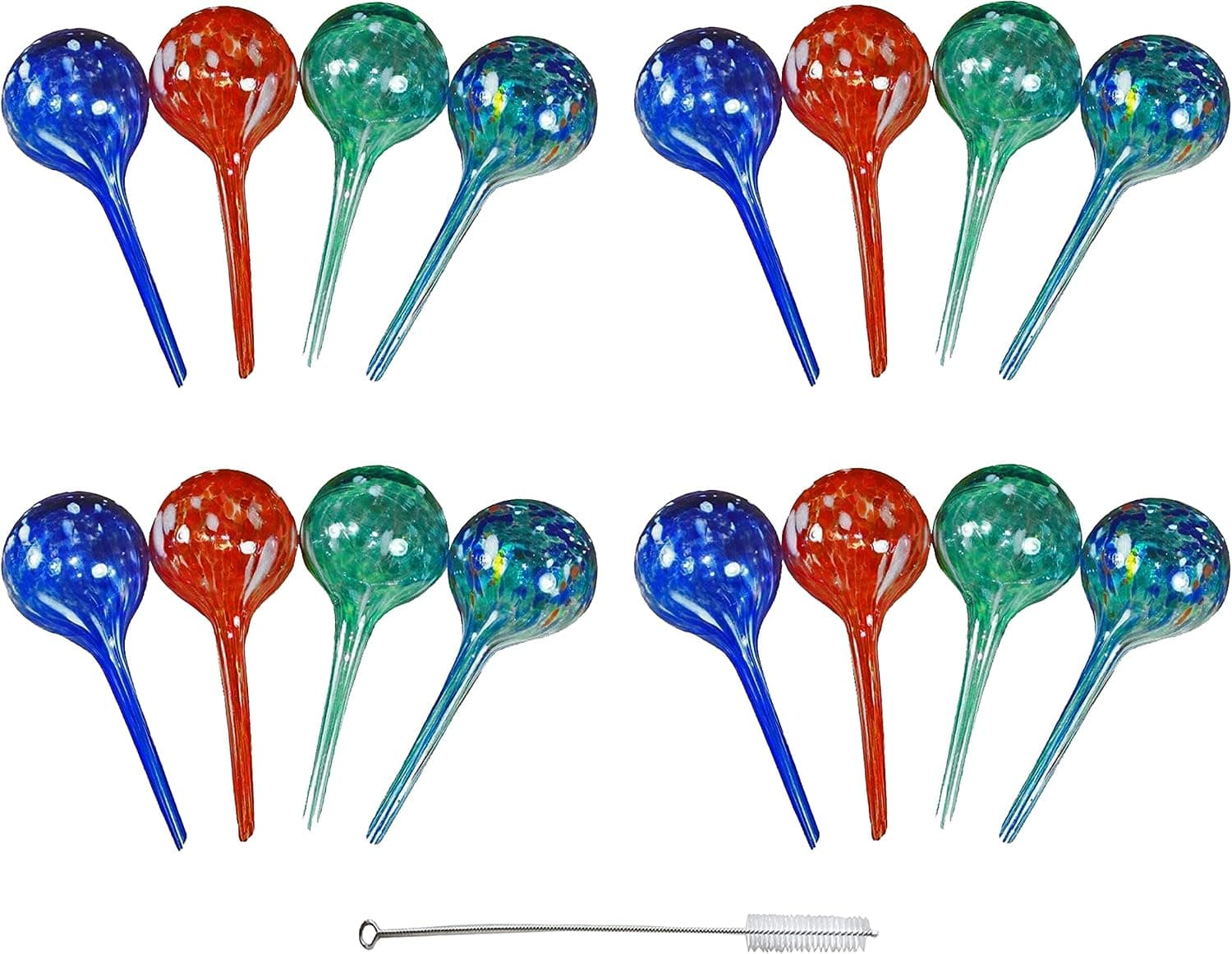
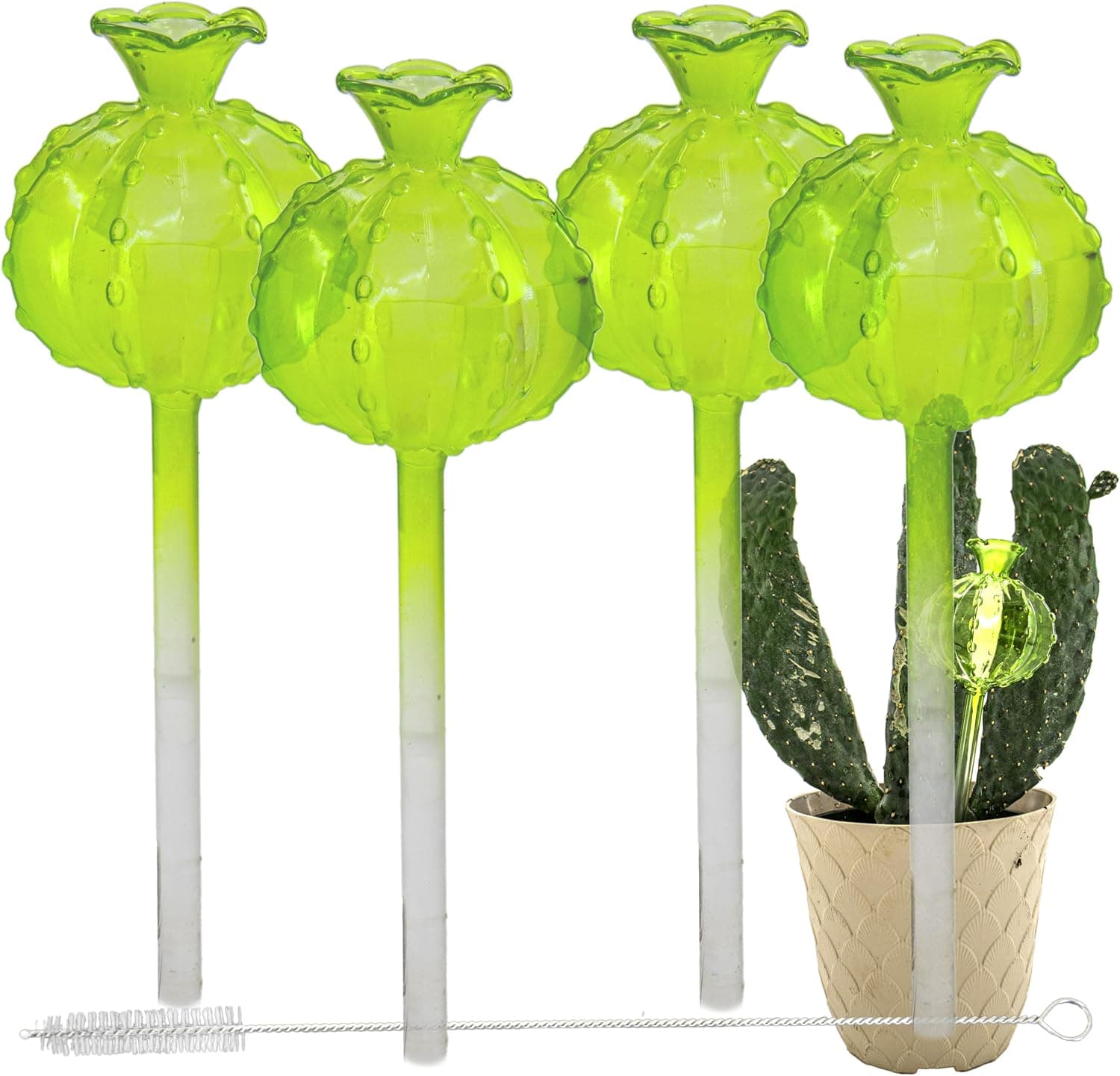
+ 4 Pack waters several pots while you are away
From our guide: Best Watering Globes
Start with the prep you can do the morning you leave. Water everything deeply until it runs from the drainage holes, then move pots out of the harshest direct sun into a shadier corner or against a wall. Cooler, shaded soil loses moisture far more slowly. Grouping all your containers tightly together helps too, because the plants shade each other's pots and the cluster holds humidity like a small forest floor.
A layer of mulch on the soil surface slows evaporation noticeably. Bark chips, gravel, or even a scattering of straw over the top of each pot keeps the sun off the soil and can add a day or two of margin. Combined with grouping and shade, mulching alone gets many hardy plants through a long weekend with no gadgets at all.
For trips of several days, self-watering methods do the real work. Wine-bottle or plastic-bottle spikes release water slowly into the soil as it dries, and a large bottle can keep a medium pot going for days. Wicking systems are just as simple: run a strip of cotton or nylon cord from a bucket of water into each pot, and capillary action pulls moisture across as the soil needs it. Set the bucket higher than the pots so gravity helps.
Self-watering containers with a built-in reservoir are the most reliable option if you travel often. You fill a base tank and the plant draws up water for a week or more between fills. If you are buying new pots anyway, these are worth the extra cost for the peace of mind, especially for thirsty crops like tomatoes.
For longer absences, an automated drip system on a battery timer is the gold standard. A small kit with a timer, thin tubing, and drip emitters can water every pot on a schedule while you are gone, and it keeps working when you get back. Test it for a couple of days before you leave so you can adjust the run time, since a system that is untested is a system that may fail on day one.
Whatever method you choose, do a dry run. Set it up, then watch how the pots respond over a day or two before your trip. That short test reveals a bottle that empties too fast or a wick that has slipped out, while you are still home to fix it. A tested plan, not a hopeful one, is what greets you with living plants instead of crisp ones.
Popular right now
- Watering Container Plants Correctly on a BalconyArticle
- Best Tomato PlantersBuying guide
- Best Hydroponic Growing Kits for BalconiesBuying guide
- Best Organic FertilizerBuying guide
- Best Plant Support StakesBuying guide
- Why Container Tomatoes Flower but Do Not Set FruitArticle
Based on the last 28 days of search and visitor data.