Wind Protection for Balcony Plants on Exposed Balconies
Published How we research
Wind is the hidden enemy of balcony gardens, and it causes far more trouble than most new gardeners expect. Raised above the ground and often on the corner of a building, a balcony is exposed to gusts that a garden at ground level never feels. Wind snaps stems, shreds leaves, dries out soil and foliage with brutal speed, and can send lightweight pots tumbling. On higher floors the effect is stronger still. Understanding how wind stresses plants, and taking steps to soften it, is essential for anyone gardening on an exposed balcony.
Products from this article
The highest-scoring picks from the buying guides this article links to. Scores are our editorial assessment, not customer ratings.
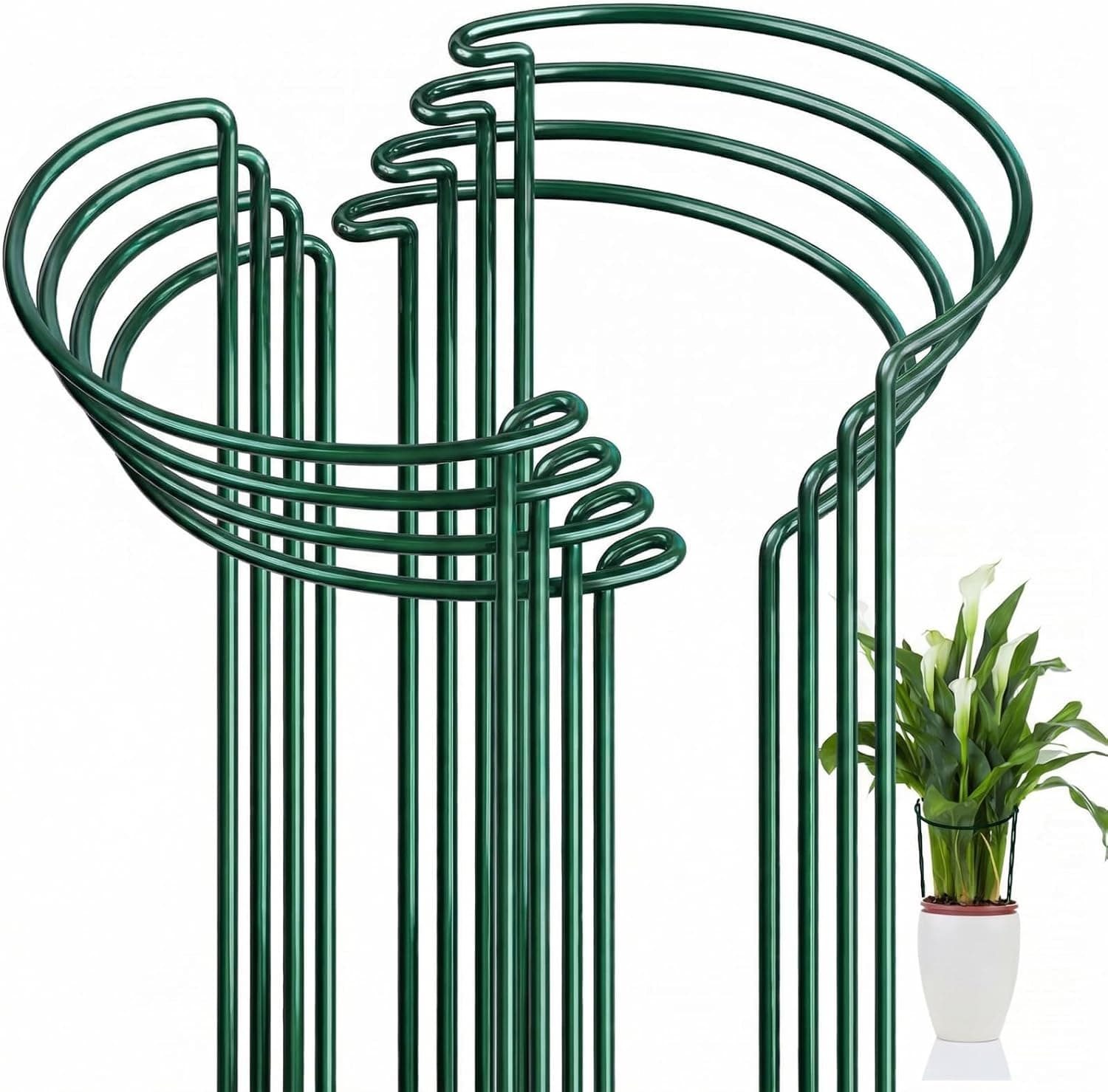
+ Half Round shape hugs plants against walls or pot edges
From our guide: Best Plant Support Stakes
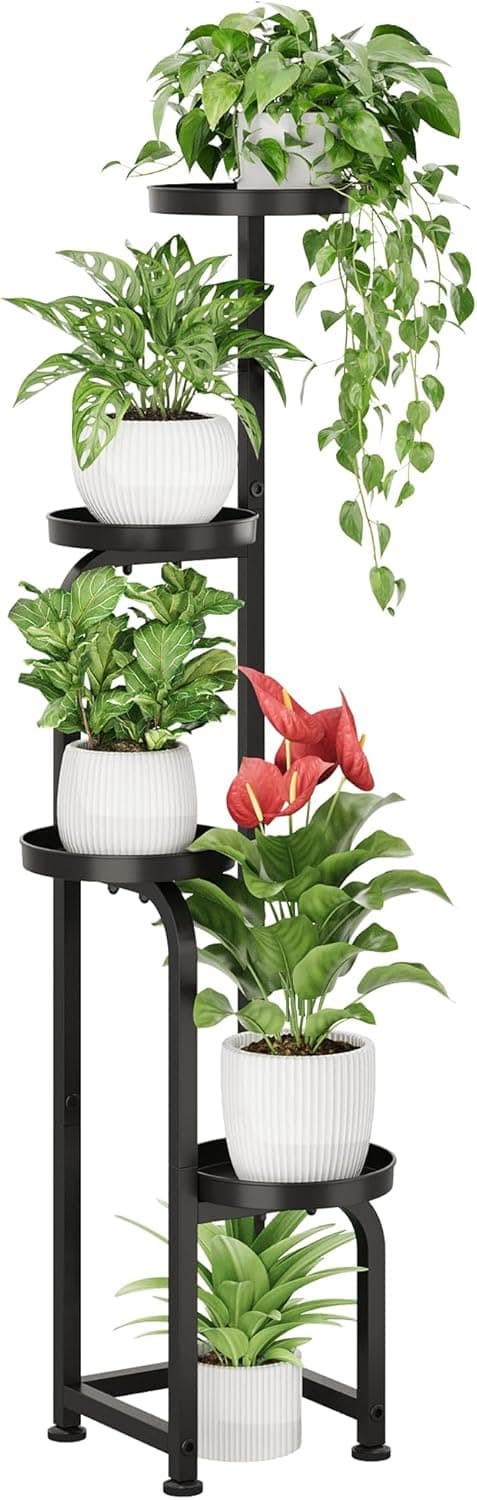
+ Heavy Duty metal frame supports larger potted plants
From our guide: Best Plant Stands for Balconies
+ Ultra Fine Mist creates a soft cloud that settles gently on foliage
From our guide: Best Plant Misters for Indoor and Balcony Plants
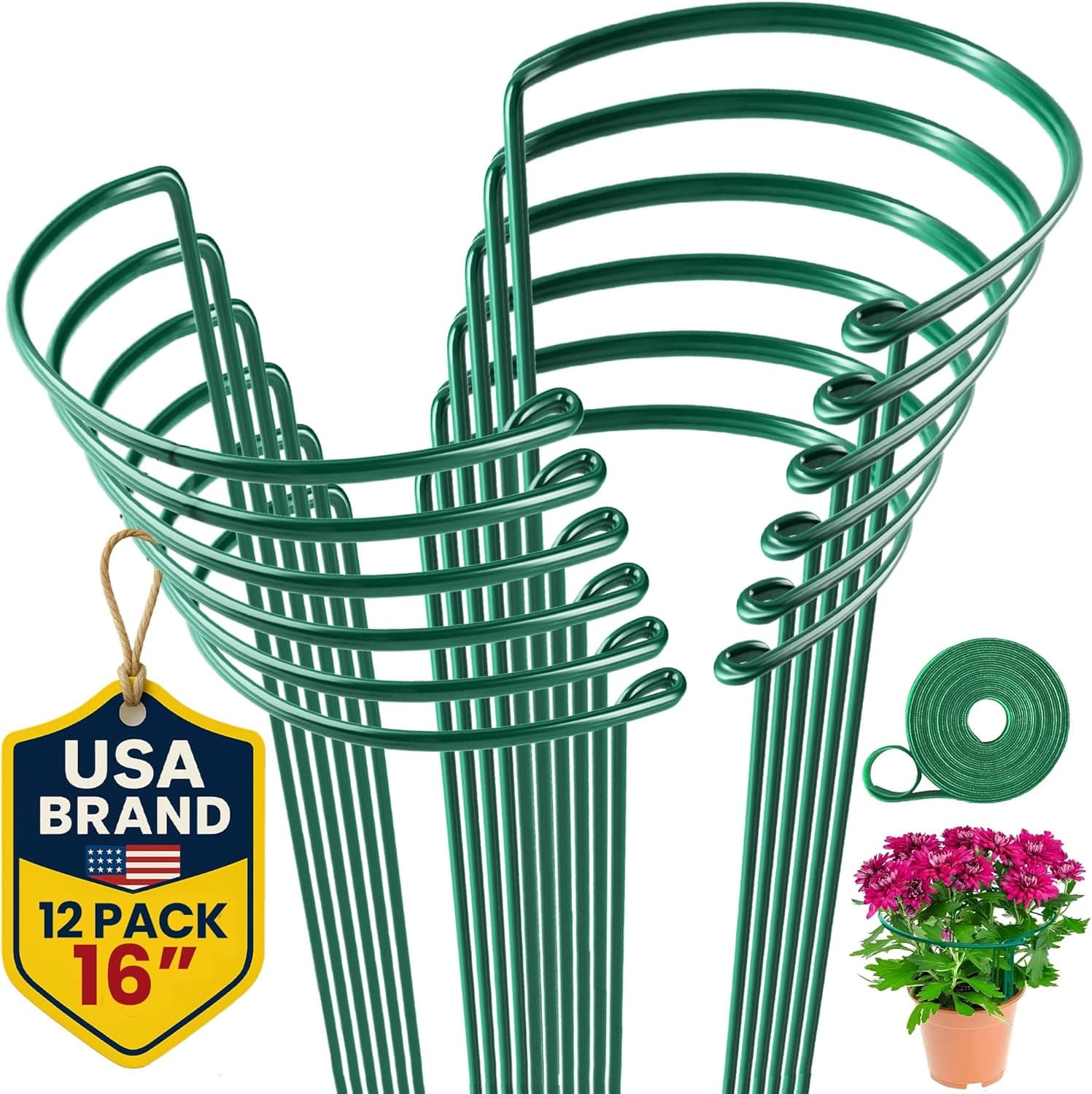
+ 8 Pack supports many peppers, peonies or bushy herbs at once
From our guide: Best Plant Support Stakes


The most damaging effect of wind is not the obvious physical battering but the way it dries everything out. Constant air movement strips moisture from leaves faster than the roots can replace it, leaving plants scorched, brown-edged, and wilting even when the soil holds water. It also dries the surface of containers with alarming speed, so wind-exposed pots need watering far more often than sheltered ones. Recognising that a windy balcony is essentially a drying environment explains much of the struggle plants face there and points toward the solutions.
Creating a windbreak is the single most effective way to protect an exposed balcony, and the key is to filter the wind rather than block it outright. A solid barrier may seem the obvious answer, but wind hitting a solid wall creates fierce turbulence and swirling gusts on the sheltered side that can do as much damage as the wind itself. A permeable screen, such as a trellis clothed in climbers, a row of sturdy plants, or slatted panels and windbreak netting, slows and breaks up the wind gently, giving genuine shelter without the destructive eddies a solid wall produces.
Choosing the right plants makes a windy balcony far easier to manage. Some plants simply cope with wind better than others: those with small, tough, or narrow leaves and flexible stems ride out gusts that would tear apart large soft-leaved plants. Ornamental grasses sway and bend rather than break, and many compact, low-growing plants sit beneath the worst of the wind entirely. Tall, top-heavy plants and those with big tender leaves suffer most and are best kept in the most sheltered corner or avoided on very exposed balconies in favour of hardier, more wind-tolerant choices.
Stability and placement protect both the plants and everyone below. On a windy balcony, use heavy, wide-based containers that will not blow over, and keep the tallest and most vulnerable plants in the calmest spots, close to walls and away from open corners where gusts funnel through. Group pots together so they shelter one another and add mutual weight, and secure railing planters and trellises firmly, since a pot falling from a balcony is genuinely dangerous. Staking taller plants gives their stems support against the buffeting they will inevitably take.
Finally, adjust your care to match the drying force of the wind. Expect to water more often than a sheltered garden would need, checking containers frequently in windy spells since they dry out fast. Mulching the soil surface with bark or gravel slows evaporation and helps keep roots moist, and grouping plants raises the humidity around them. With a filtering windbreak, wind-tolerant plants, stable well-placed containers, and attentive watering, even a high and exposed balcony can be turned from a hostile, drying place into a garden where plants genuinely thrive.
Popular right now
- Watering Container Plants Correctly on a BalconyArticle
- Best Tomato PlantersBuying guide
- Best Hydroponic Growing Kits for BalconiesBuying guide
- Best Organic FertilizerBuying guide
- Best Plant Support StakesBuying guide
- Why Container Tomatoes Flower but Do Not Set FruitArticle
Based on the last 28 days of search and visitor data.