Starting a Balcony Garden From Scratch
Published How we research
A balcony garden begins long before you buy a single plant. The first job is to look honestly at the space you have. Step outside at different times of day and notice where the light lands, how strong the wind feels, and how the balcony is built. A concrete slab with a solid railing behaves very differently from an open metal grille that lets gusts pass straight through. Note the size of the floor area, whether the railing can hold hanging planters, and how you will get water to the space. These practical details shape every decision that follows, so it is worth spending a few days simply observing before you commit to anything.
Products from this article
The highest-scoring picks from the buying guides this article links to. Scores are our editorial assessment, not customer ratings.
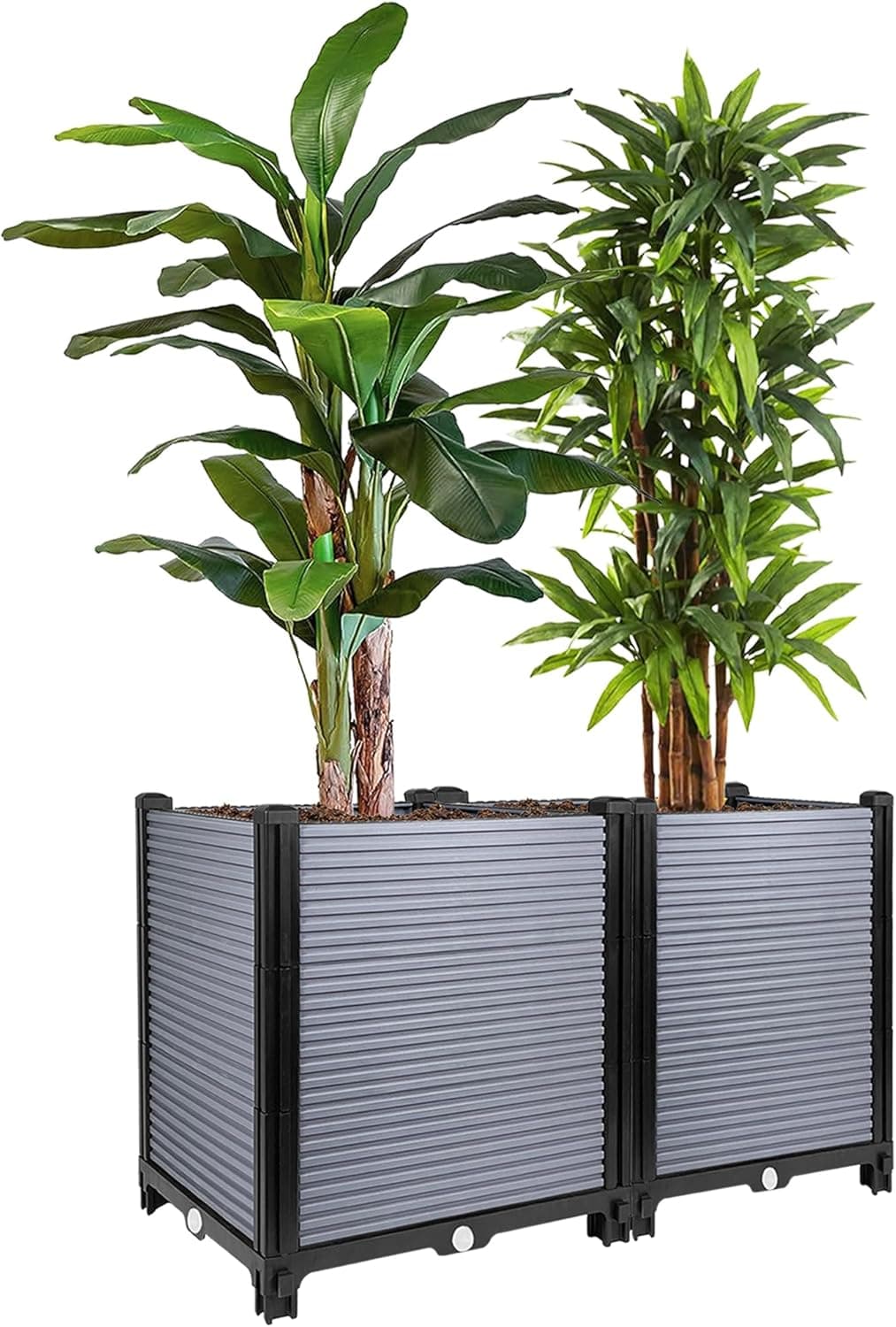
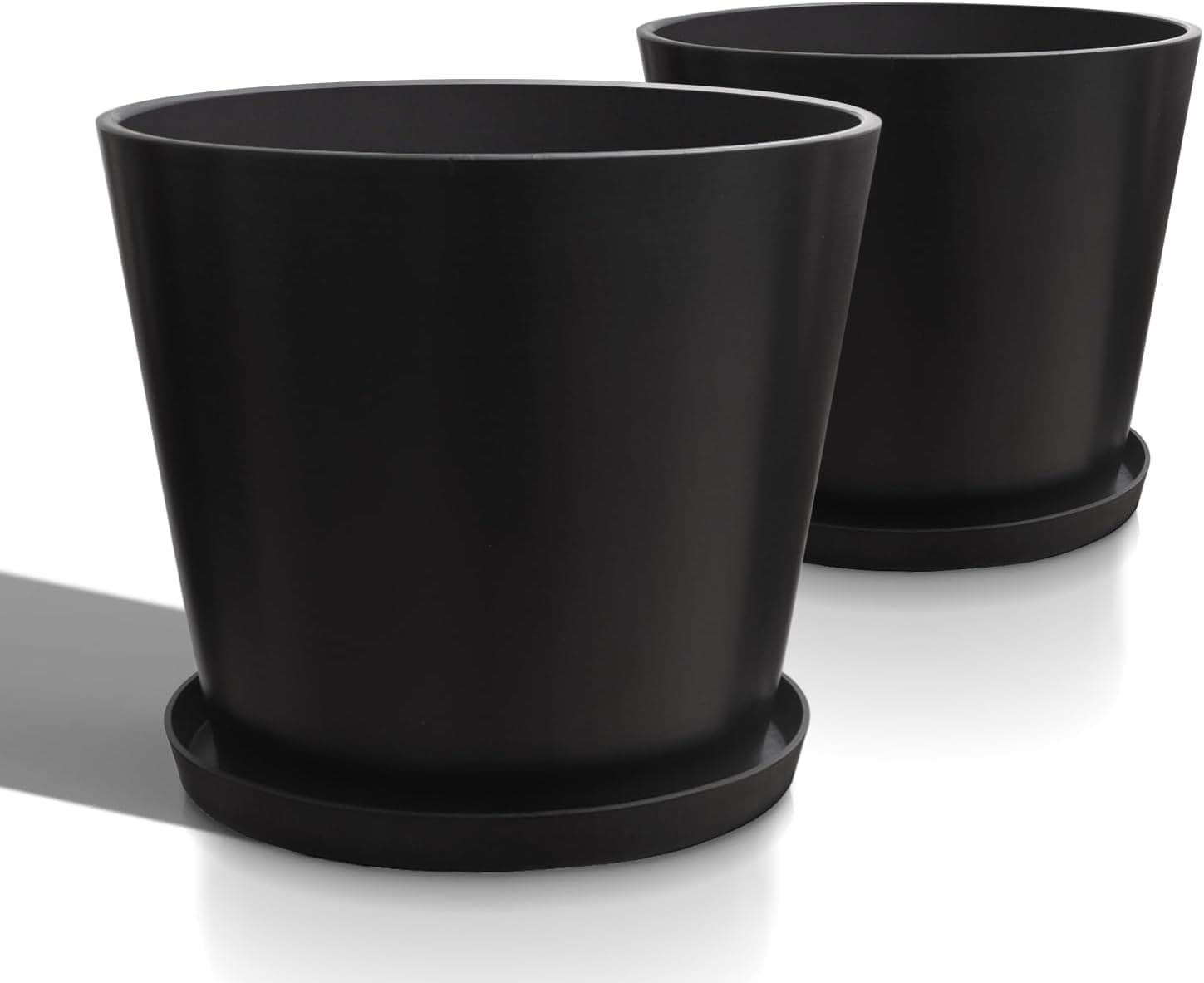
+ Resin is much lighter than ceramic or concrete of a similar look
From our guide: Best Large Outdoor Planters
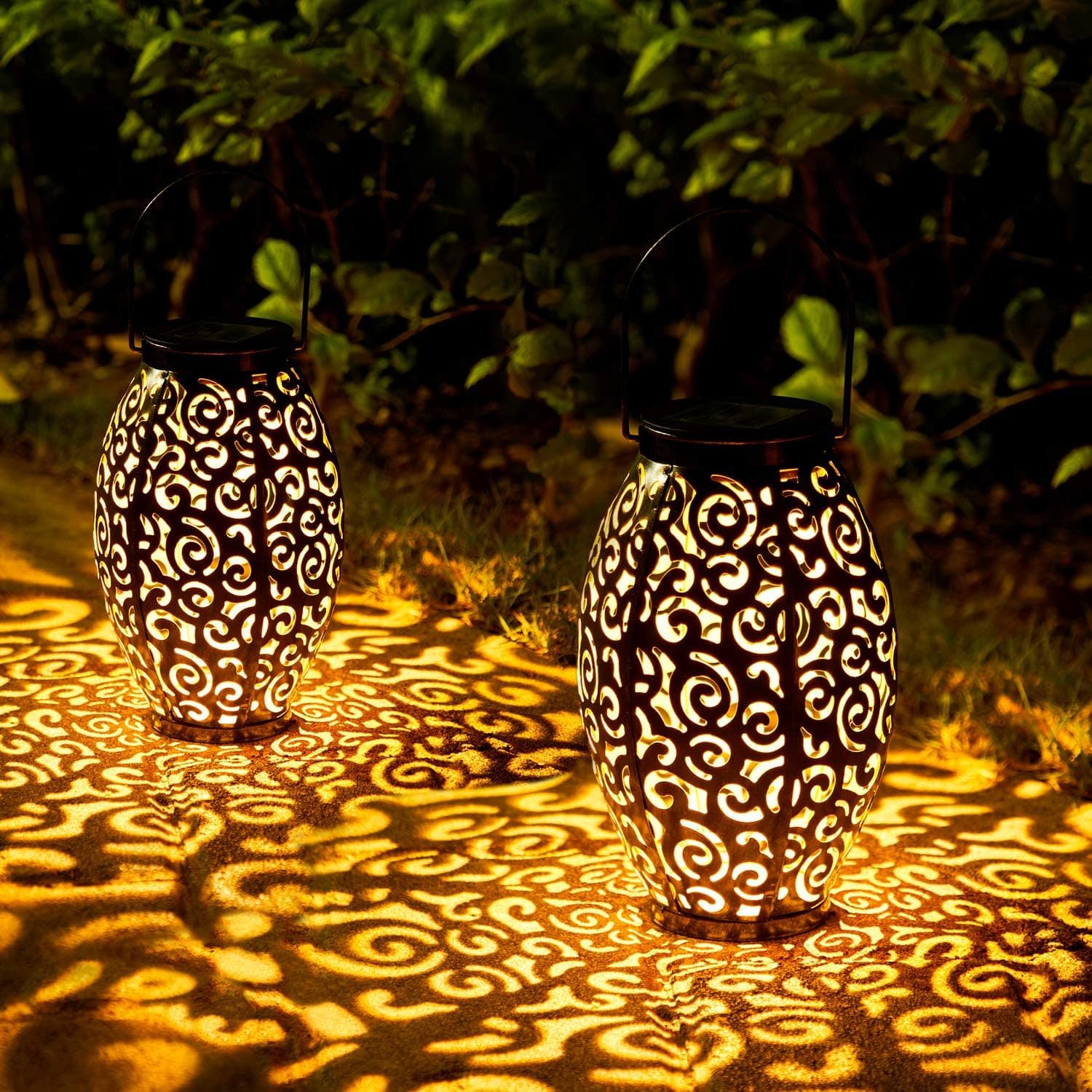
+ Retro Metal body looks more premium than plastic
From our guide: Best Solar Lanterns
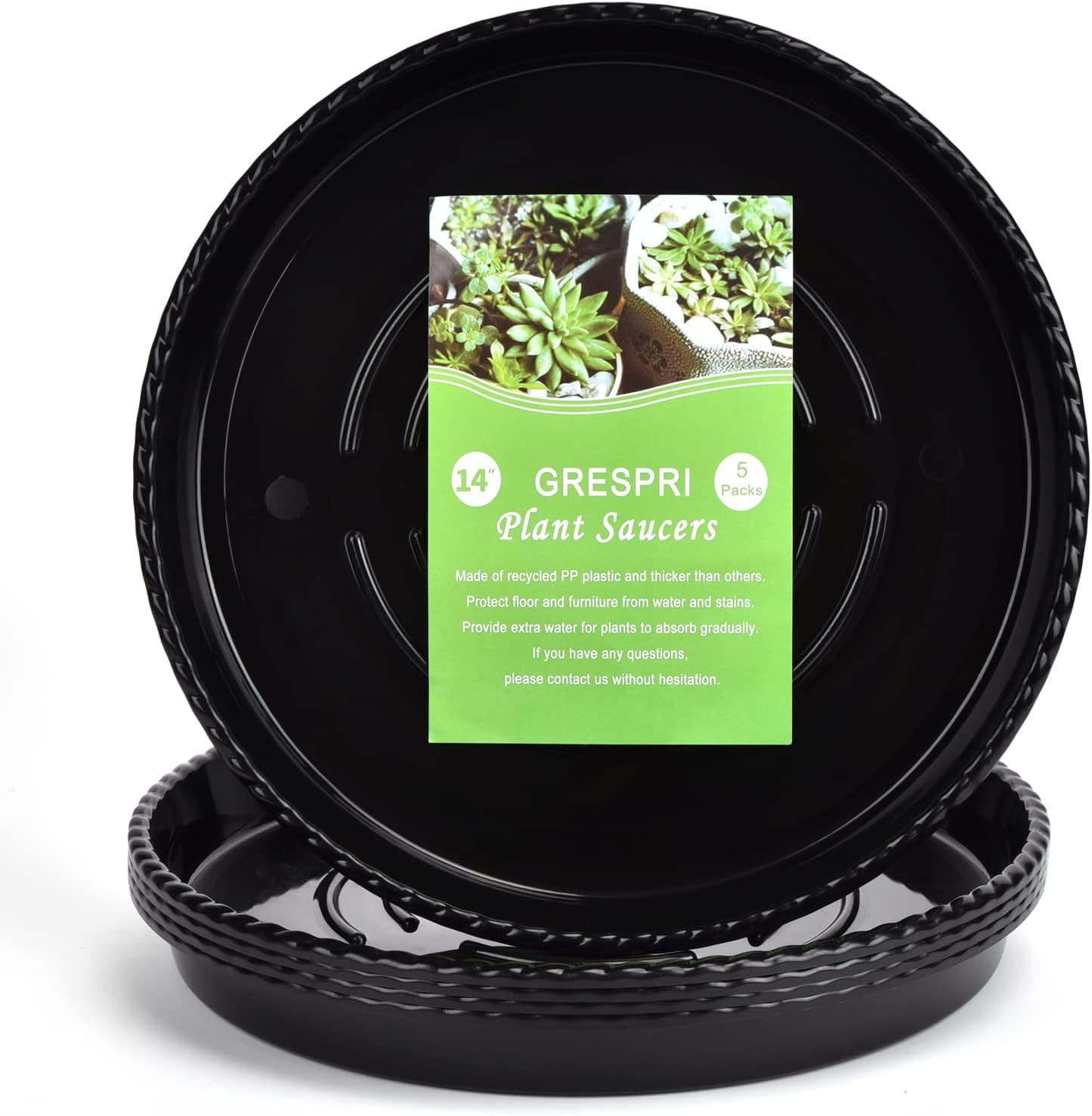
+ Ridged base lifts pots slightly, improving airflow under drainage holes
From our guide: Best Plant Saucers for Balcony and Patio Pots
+ Removable Wheels make relocating heavy planted pots easy
From our guide: Best Large Outdoor Planters
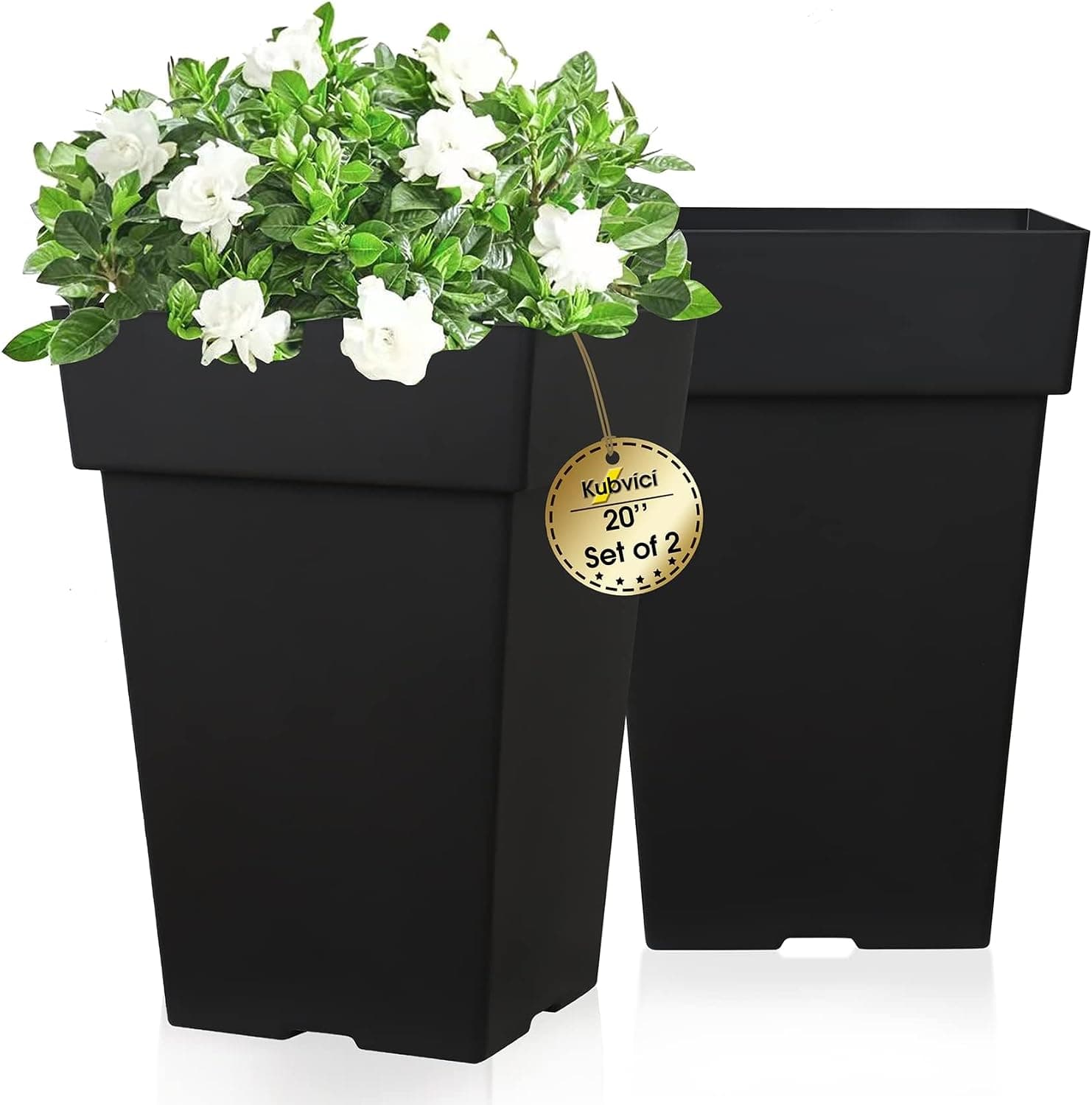
Weight is the constraint most beginners forget. Wet soil is heavy, and a row of large containers full of saturated compost can add up quickly. If you rent, check your lease and ask whether the balcony has a stated load limit. As a general rule, keep heavy containers close to the wall or over supporting beams rather than clustered at the outer edge. Lightweight pots, soilless mixes, and vertical arrangements all help you grow more without overloading the structure. When in doubt, start modestly and add containers gradually so you can feel how the space responds.
Once you understand the physical limits, set a realistic goal for your first season. Trying to grow everything at once is the fastest route to a discouraging tangle of half-dead plants. Pick two or three things you genuinely want, whether that is a pot of salad leaves, a couple of herbs for the kitchen, or a single showy flowering plant to enjoy from a chair. A focused start teaches you the rhythm of watering and feeding without overwhelming you, and success with a few plants builds the confidence to expand later.
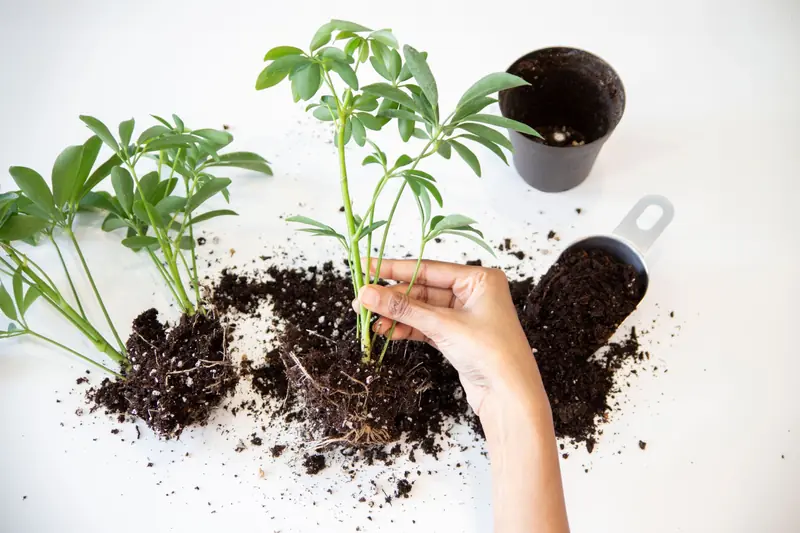
Good soil and drainage matter more than almost anything else in containers. Do not dig up garden earth, which compacts in pots and drains poorly. Buy a quality potting mix designed for containers, and make sure every pot has drainage holes so roots never sit in standing water. A shallow layer of grit at the base is optional, but functioning holes are not. Containers dry out faster than beds, so plan for how you will water consistently, especially through warm spells when a pot can go from moist to bone dry in a single afternoon.
When you are ready to plant, choose varieties suited to both your light and your container size. Sun-loving crops like tomatoes and peppers need the brightest spot you have, while leafy greens and many herbs tolerate partial shade. Read the label for the mature size of each plant and give roots enough room, since a cramped container limits growth no matter how well you tend it. Group plants with similar water and light needs together so that caring for them stays simple and you are not trying to please opposites in one pot.
Expect the first few weeks to involve steady small adjustments rather than dramatic results. Watch for wilting, yellowing leaves, or plants leaning hard toward the light, and respond by moving pots, tweaking your watering, or adding a gentle feed. Keep a few notes on what thrives and what struggles, because your balcony has its own microclimate that no general guide can fully predict. Over a season you will learn its quirks, and that local knowledge is what turns a beginner into a confident balcony gardener. Start small, stay curious, and let the space teach you as you go.
Popular right now
- Watering Container Plants Correctly on a BalconyArticle
- Best Tomato PlantersBuying guide
- Best Hydroponic Growing Kits for BalconiesBuying guide
- Best Organic FertilizerBuying guide
- Best Plant Support StakesBuying guide
- Why Container Tomatoes Flower but Do Not Set FruitArticle
Based on the last 28 days of search and visitor data.