Why Container Plant Leaves Turn Yellow and How to Fix It
Yellow leaves are the most common complaint from container gardeners, and they are a symptom rather than a single problem. Plants in pots depend completely on you for water, nutrients and drainage, so small mistakes show up quickly. Looking at which leaves turn yellow, and how, usually narrows the cause down to one or two possibilities.
Read the pattern
Where the yellowing starts is a useful clue. Older, lower leaves turning evenly yellow while new growth stays green often suggests nitrogen deficiency or natural ageing, while yellowing that starts on new leaves at the top points more toward iron or other micronutrient problems, often linked to soil pH or waterlogged roots.
Yellow leaves with brown, crispy edges often indicate underwatering, heat stress or salt buildup from fertiliser. Yellow leaves that feel soft and limp, especially with damp soil, are a classic sign of overwatering and roots that lack oxygen.
Check watering and drainage first
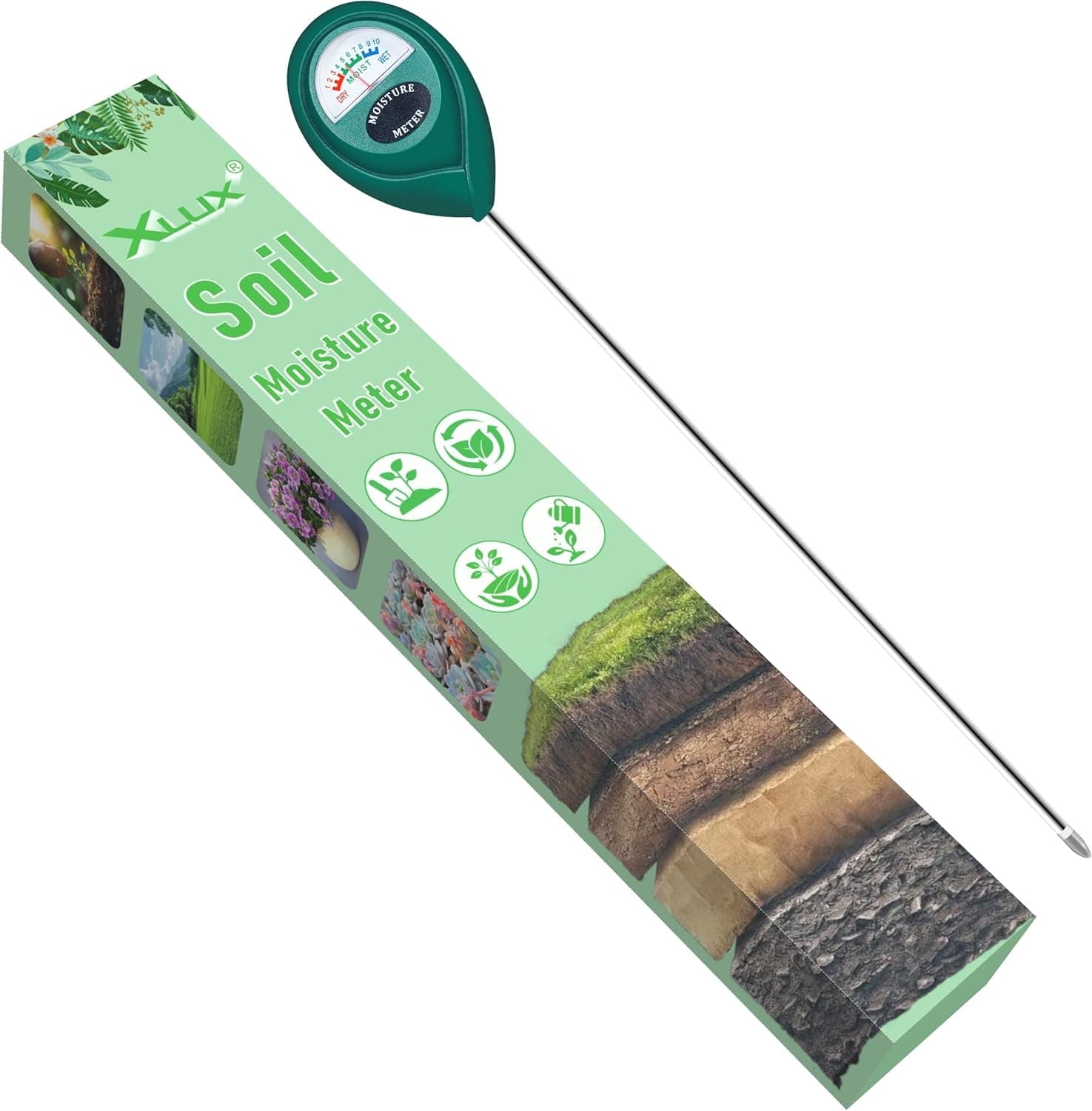
Push a finger or a moisture meter a few inches into the potting mix. If it is wet days after watering, the pot may lack drainage holes, the saucer may be holding standing water or the mix may be too dense. Roots sitting in water cannot take up nutrients, even when there is plenty in the soil.
Water thoroughly until water drains out, then let the top inch or two dry before watering again. On hot, windy balconies small pots can dry out daily in summer, while the same pots stay wet for a week in cool autumn weather, so adjust with the season rather than watering on a fixed schedule.
Feed container plants regularly
Frequent watering washes nutrients out of pots, and most bagged potting mixes contain only a few weeks of fertiliser. Hungry vegetables such as tomatoes, peppers and cucumbers often start yellowing from the bottom by midsummer if they are not fed.
Use a balanced fertiliser or one formulated for vegetables or flowers according to the label, typically every one to two weeks for liquid feeds or less often for slow-release granules. More is not better, since excess fertiliser causes salt buildup and scorched, yellow-brown leaf edges.
Consider light and temperature
Plants that do not get enough light for their needs grow pale, stretched and yellowish, particularly sun-loving herbs and vegetables on shaded or north-facing balconies. Moving pots to the brightest spot or choosing shade-tolerant plants often solves this.
Sudden cold nights, hot reflected heat from walls and glass railings, and strong wind can all cause yellowing. Leaves damaged by a cold snap or heat wave will not recover their colour, but new growth should come in green once conditions improve.
Look for pests and root problems
Check the undersides of leaves for spider mites, aphids and whiteflies, which suck sap and leave yellow speckling. Fine webbing and stippled leaves are typical of spider mites, which thrive on hot, dry balconies.
If a plant keeps yellowing despite good care, gently lift it from the pot. Roots circling tightly around the pot mean it needs a larger container, while brown, mushy, bad-smelling roots indicate root rot, which requires trimming damaged roots and repotting in fresh, well-draining mix.